
Average Carbon Footprint Per Person By Country
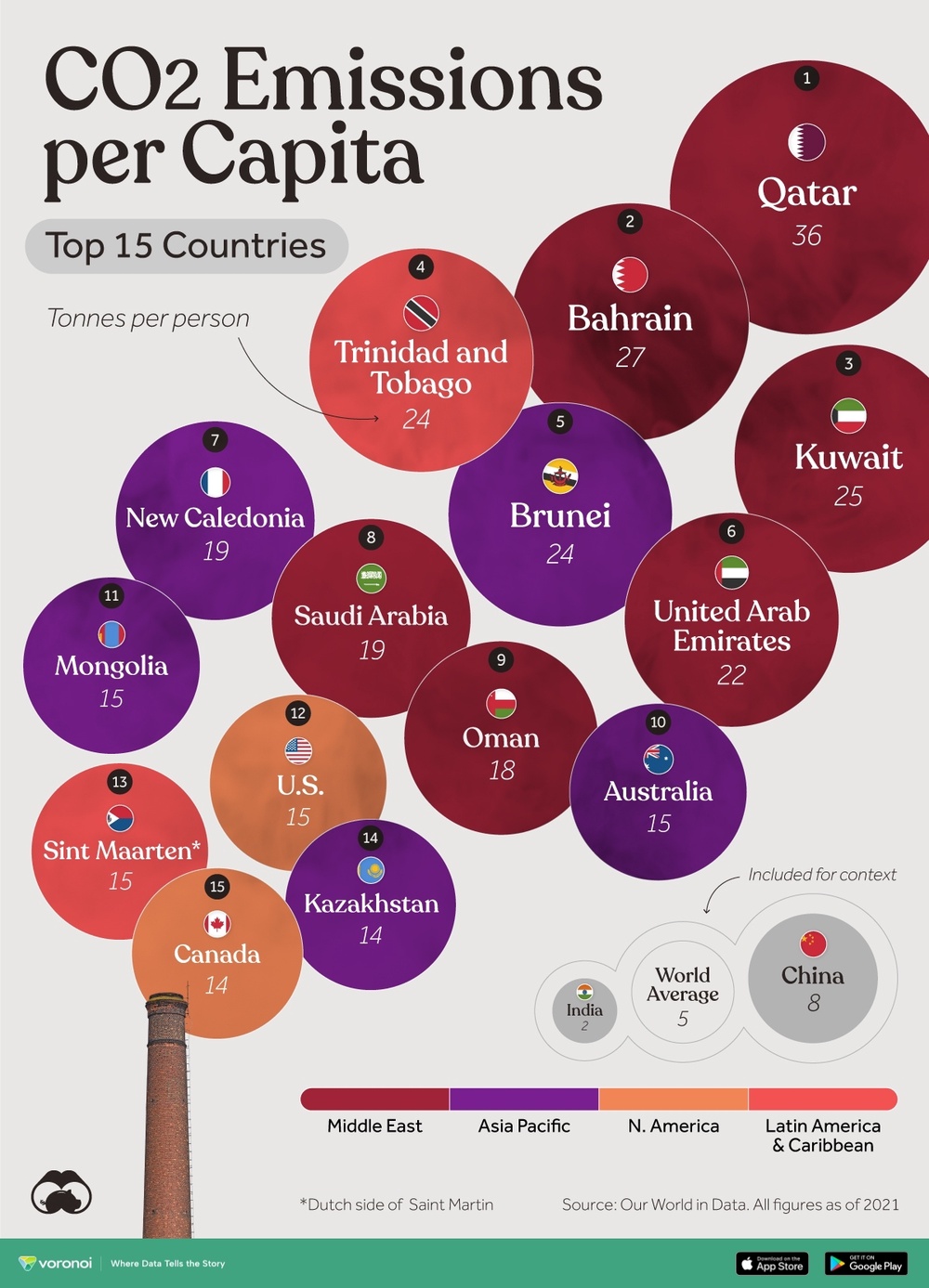
Hey there! Ever wondered how much of a carbon footprint you're leaving compared to, say, someone in Vanuatu? Or maybe Liechtenstein (if you can even find it on a map!)? Well, buckle up, because we're diving into the world of average carbon footprints per person by country. It’s not as scary as it sounds, I promise! Think of it as a global eco-comparison – who's winning the 'low-carbon limbo' and who needs a little... nudge.
What's a Carbon Footprint Anyway? (In Human Terms)
Before we start pointing fingers (eco-friendly fingers, of course!), let's quickly define what we're talking about. A carbon footprint is basically the total amount of greenhouse gases – think carbon dioxide, methane, and a few other climate-warming culprits – that are generated by our actions. This includes everything from driving your car and heating your home to the food you eat and the stuff you buy. Basically, living your life creates carbon!
Think of it like leaving a trail of digital breadcrumbs… only these breadcrumbs are invisible, and they're contributing to climate change. Yikes!
Must Read
The Usual Suspects (High Carbon Footprint Edition)
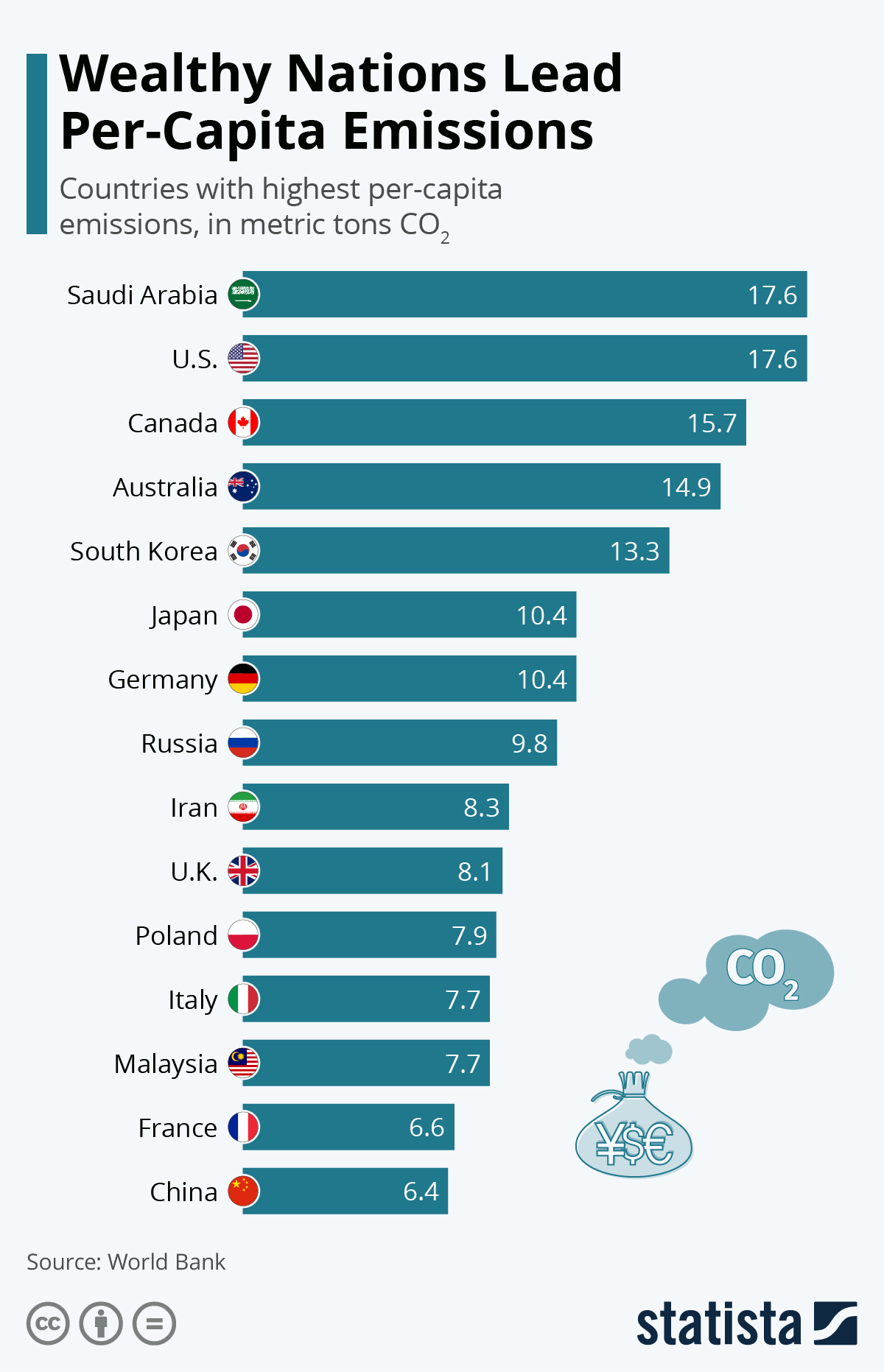
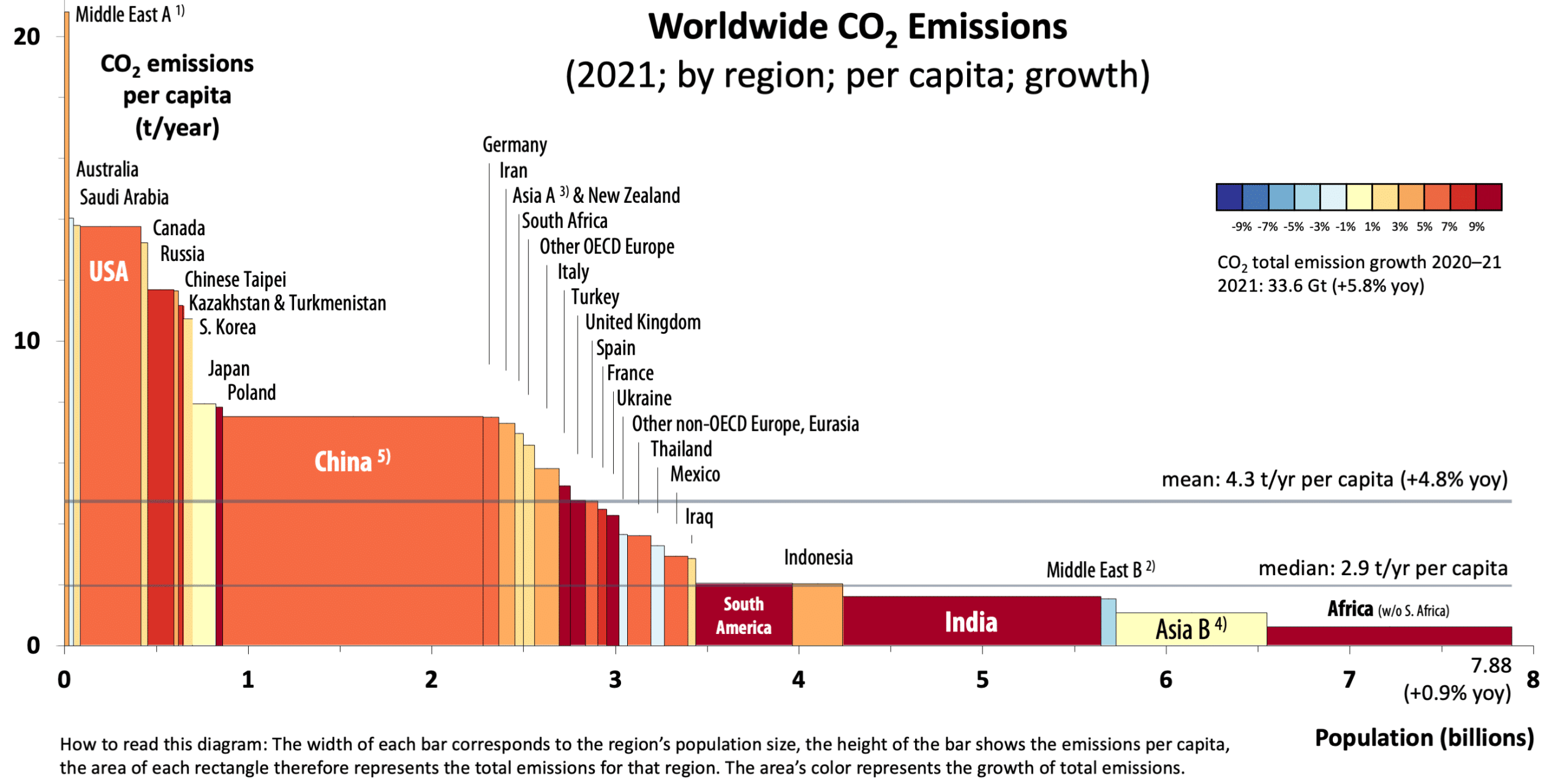
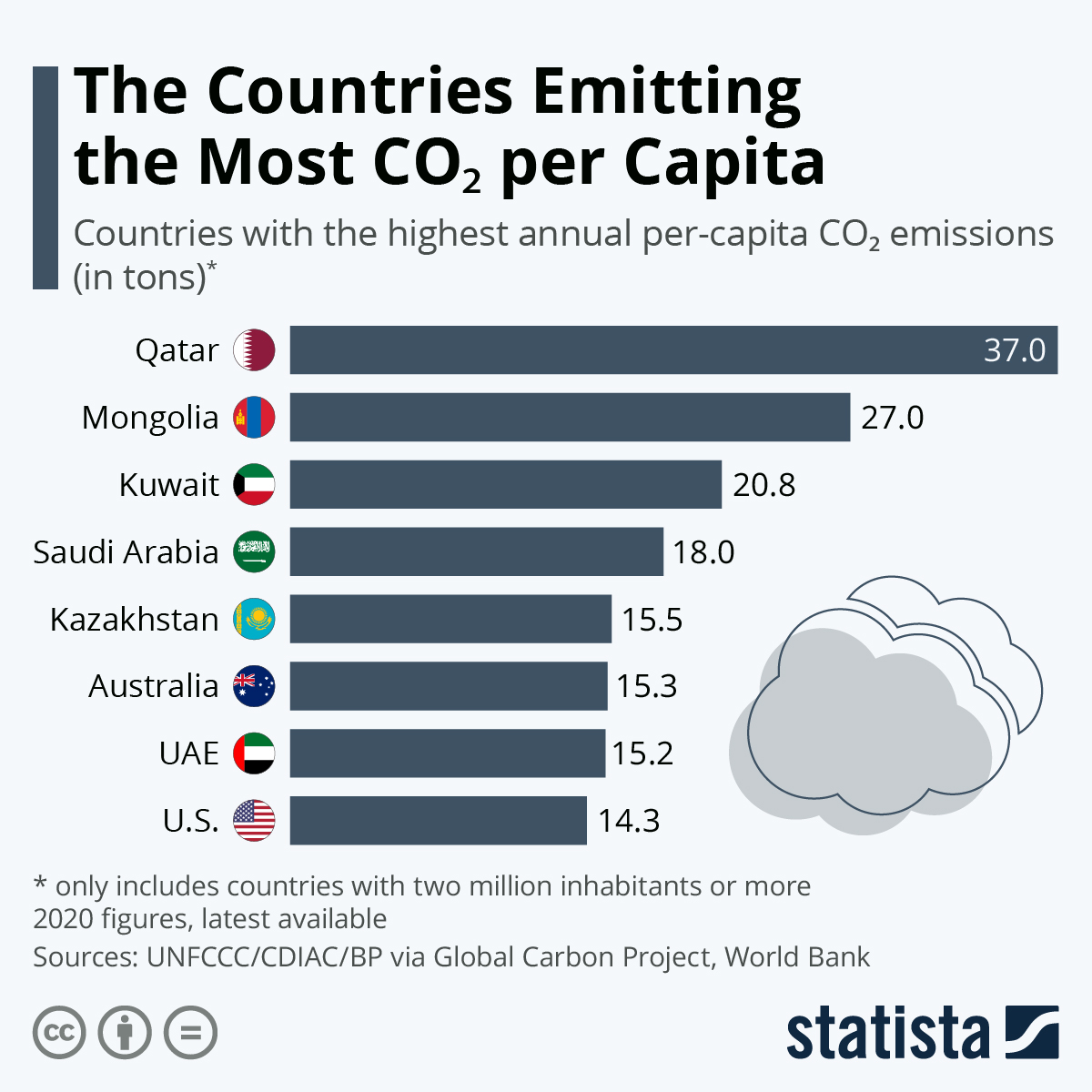
Alright, let's get down to brass tacks. Which countries are topping the charts for highest per capita carbon emissions? Drumroll, please… Traditionally, countries with high levels of industrialization and energy consumption tend to have larger footprints. We're talking about places like Qatar, Kuwait, and Australia. Yes, Australia! Beautiful beaches and cuddly koalas aside, their reliance on fossil fuels and high consumption patterns bump them up the list. (Sorry, Aussies! We still love your accents.)
Why is this? Well, think about it. These countries often have readily available and relatively inexpensive fossil fuels, which power everything from their electricity grids to their transportation systems. Plus, they often have high levels of disposable income, leading to increased consumption of goods and services – all of which generate greenhouse gases.
The Eco-Champions (Low Carbon Footprint Edition)
Now for the good news! Which countries are leading the way in low-carbon living? Often, these are countries with lower levels of industrialization and simpler lifestyles. Think about places in Africa, South America, and parts of Asia. For example, Chad, the Central African Republic, and Nepal tend to have significantly smaller footprints.
But before you start packing your bags for Nepal, remember that this often reflects a lower standard of living and limited access to resources. It’s not necessarily a conscious choice to be super eco-friendly; it's more a result of circumstance. So, it’s a bit of a bittersweet victory.

The Tricky Middle Ground (Where Most of Us Live)
Most countries, including the US, Canada, and many European nations, fall somewhere in the middle. We're not the worst offenders, but we're definitely not eco-saints either. These countries are trying to balance economic growth with environmental responsibility, which is a tough balancing act, like trying to juggle chainsaws on a unicycle!
The key here is that there's huge variation within these countries. Some people are living incredibly sustainable lives, while others are driving gas-guzzling SUVs and buying a new iPhone every year. It all adds up!
Why Does This Even Matter?
Okay, okay, I get it. Numbers and statistics can be a bit of a snooze-fest. But understanding these carbon footprints is actually really important. It helps us see where we need to make changes, both individually and as a global community. It's like knowing your weight – you can't start a diet if you don't know how much you weigh, right?
By comparing carbon footprints across countries, we can identify best practices and learn from each other. Maybe Denmark has figured out a brilliant way to generate renewable energy, or perhaps Costa Rica has cracked the code for sustainable tourism. Sharing these innovations is key to tackling climate change.
What Can You Do? (Besides Move to Chad)
So, what can you do to shrink your own carbon footprint? Plenty! It doesn't require drastic measures like selling all your possessions and living in a yurt (unless you're into that, of course). Small changes can make a big difference:
- Eat less meat: Seriously, cows are major carbon emitters!
- Drive less: Walk, bike, or take public transportation whenever possible.
- Reduce, reuse, recycle: It's a classic for a reason!
- Conserve energy: Turn off lights, unplug appliances, and lower your thermostat.
- Support sustainable businesses: Vote with your wallet!
The point is, even tiny tweaks to your daily routine can add up over time. And remember, progress, not perfection, is the name of the game. You don't have to become a zero-waste vegan overnight! Just do what you can, and encourage others to do the same.
The Takeaway (And a Reason to Smile)
So, there you have it – a whirlwind tour of average carbon footprints around the world. While some countries have a bit of work to do (we're looking at you, Qatar!), there's also plenty of reason for optimism. Awareness is growing, innovations are emerging, and people are starting to realize that we all have a role to play in creating a more sustainable future.
The best part? Living a greener life doesn't have to be a sacrifice. In fact, it can be incredibly rewarding – both for you and for the planet. So, go forth and shrink that footprint! You might just surprise yourself with how much you can achieve. And hey, maybe someday you’ll be able to brag about your tiny carbon footprint at a dinner party. (Just don’t be too smug about it!)