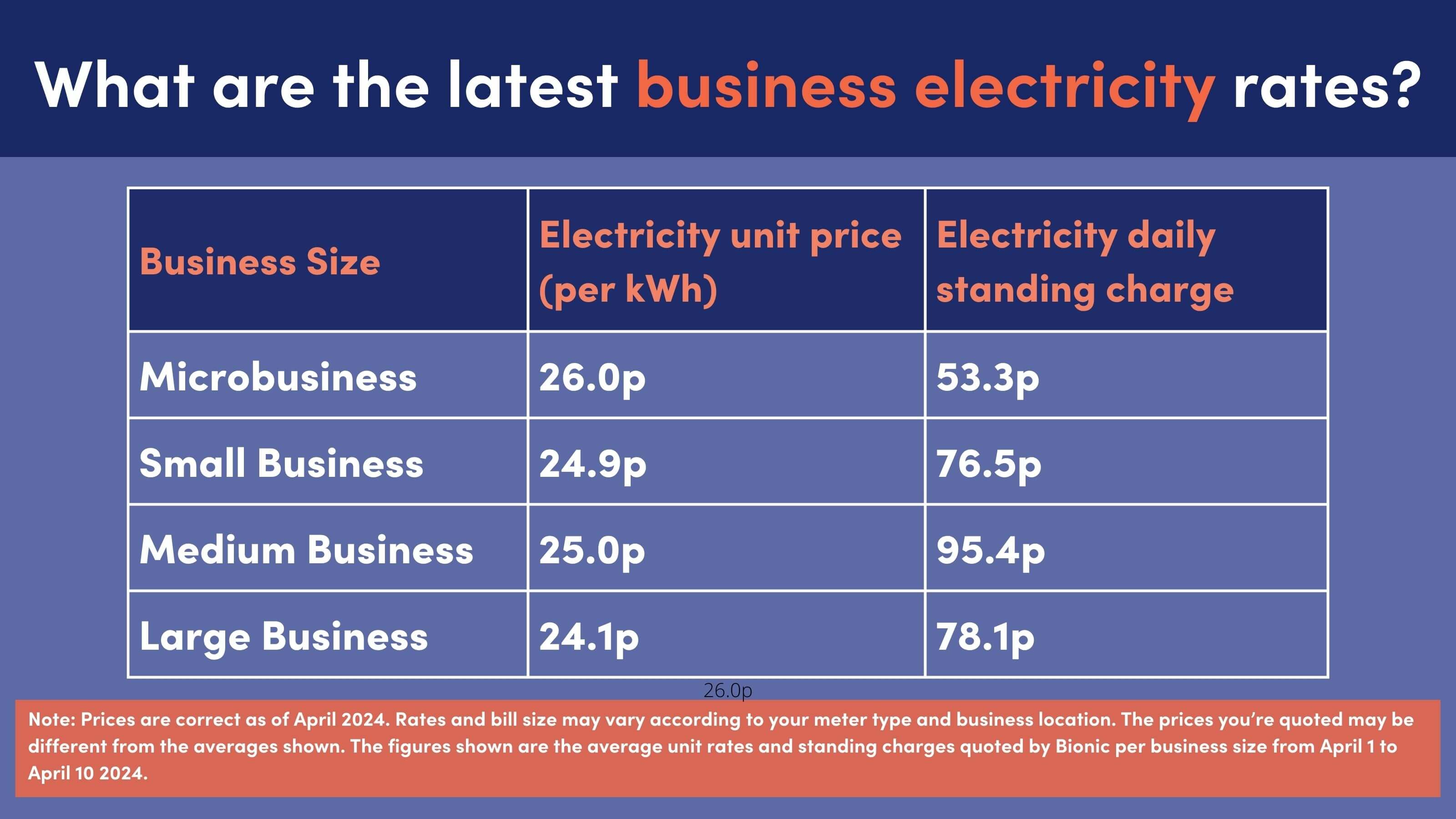
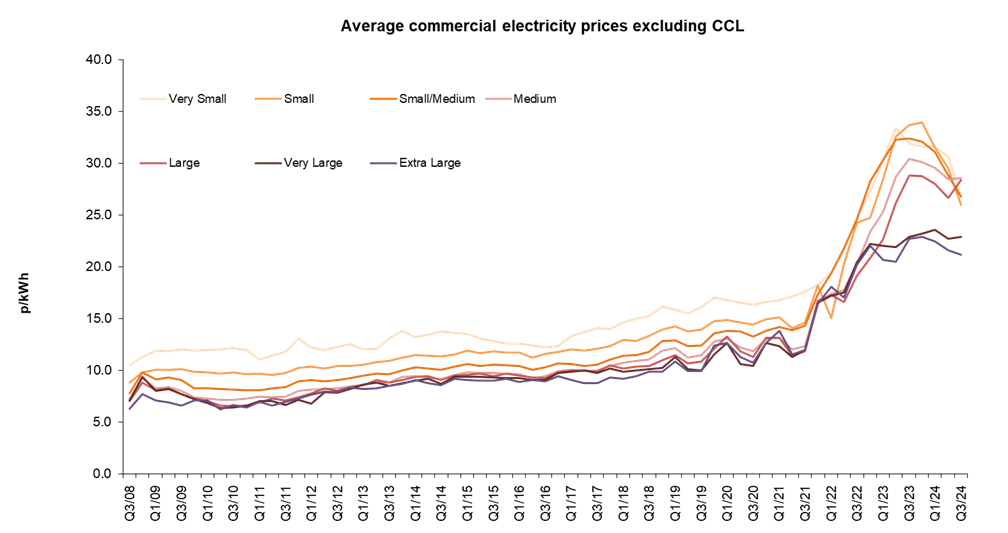
Average Business Electricity Rates Uk
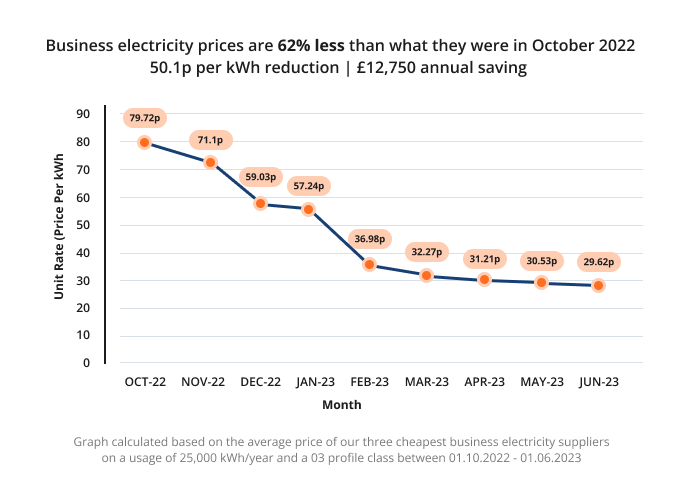
Ever found yourself staring at your business electricity bill, wondering if you're paying too much? You're definitely not alone! While discussing business electricity rates might not sound like the most thrilling topic at first glance, it's actually incredibly empowering. It's about taking control, saving money, and ultimately, putting more cash back into your business – which, let's be honest, is pretty exciting! Understanding these rates isn't just for number-crunchers; it's for every UK business owner who wants to run a leaner, smarter operation. It's about gaining an edge and ensuring your hard-earned money isn't just trickling away.
So, who benefits from digging into the world of average business electricity rates? Pretty much everyone with a plug! For small business owners and startups, it's crucial for budgeting and keeping those initial overheads manageable. Knowing what to expect means you can forecast more accurately and avoid nasty surprises. For established businesses, regularly reviewing your energy costs can unlock significant savings, directly boosting your profit margins and helping you stay competitive. And even for the freelancer or micro-business owner working from home, understanding business tariffs might help you decide if a separate business contract is worthwhile or how to better manage your energy usage impact on your domestic bill. It’s all about informed decisions that benefit your bottom line.
It's important to remember that business electricity rates in the UK aren't a 'one size fits all' deal. They vary significantly based on several factors. For example, a small café might pay a different rate per kWh than a large manufacturing plant, simply due to volume. You'll encounter variations like fixed-term contracts, which lock in your rate for a set period (often 1 to 5 years), offering stability. Then there are variable contracts, where rates can fluctuate with the wholesale market, potentially offering savings but also carrying more risk. Don't forget the dreaded 'deemed rates' – these are what you pay if you don't actively sign a new contract after your old one expires, and they are almost always much more expensive. Rates also differ by supplier, region, and even the time of day you consume power. Plus, factors like wholesale energy prices, network charges, and government levies all play a part in the final figure.
Must Read
Ready to get started on your journey to smarter energy? Here are some simple, practical tips. First, know your current usage. Dig out your old bills to understand your kWh consumption. Second, don't be afraid to compare. Use reputable price comparison websites or even engage an energy broker (many work on commission from suppliers, so their service might be free to you). Third, always negotiate. Suppliers want your business, so push for the best deal. Fourth, set a reminder to review your contract well before it ends. This prevents you from rolling onto those expensive deemed rates. Finally, and perhaps most importantly, look for ways to be more energy-efficient within your business – every kWh saved is a kWh you don't have to pay for!
In conclusion, while crunching numbers might not be everyone's idea of a good time, understanding average business electricity rates is a truly valuable skill for any UK business owner. It's about being informed, being proactive, and ultimately, putting yourself in a stronger financial position. By spending a little time getting savvy, you can unlock real savings and channel that money back into what you do best. It’s a smart move that pays dividends, bringing peace of mind and tangible benefits to your business.
.webp)