
Auxiliary Gas Tanks For Pickup Trucks
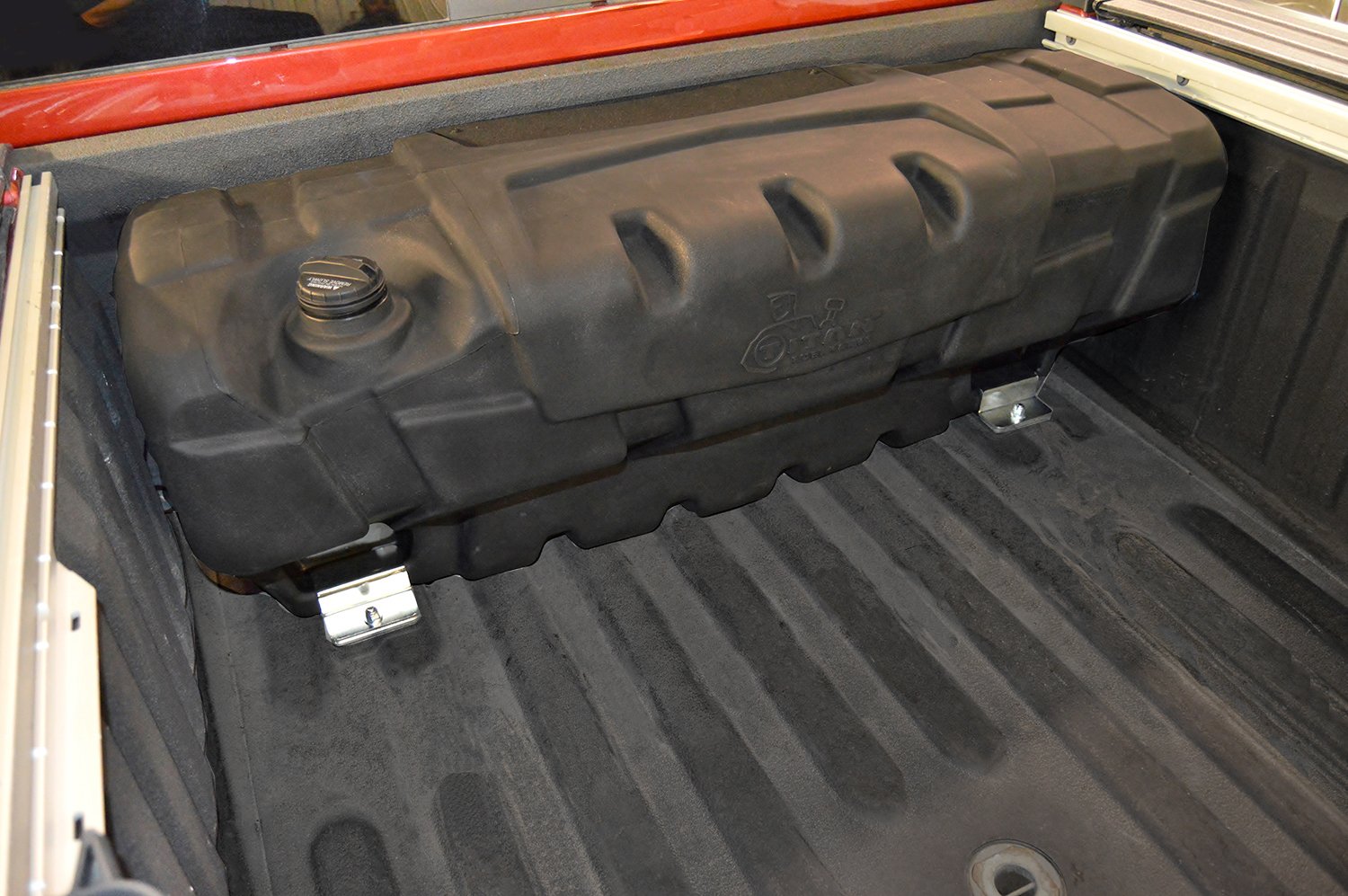
There's something undeniably appealing about the open road, the wind in your (imaginary, because you're in a truck) hair, and the freedom to explore wherever your four wheels take you. For many pickup truck owners, that sense of freedom is amplified by the sheer utility and capability their vehicles offer. But what happens when that freedom is limited by the dreaded low fuel light, especially when you're far from civilization or hauling a heavy load?
Enter the unsung hero of extended adventures: the auxiliary gas tank. Essentially, it's a supplemental fuel reservoir installed in your pickup, providing extra fuel capacity beyond the standard tank. Think of it as a second bladder for your truck, letting you drink deeper before needing to refill.
The benefits are numerous. Firstly, and perhaps most obviously, it extends your driving range. This is a game-changer for long-haul truckers, overlanders exploring remote areas, ranchers working vast properties, or anyone who frequently tows heavy trailers over long distances. Imagine hauling your boat to that secluded fishing spot without worrying about running dry in the middle of nowhere! Less time spent searching for fuel means more time spent doing what you love.
Must Read
Beyond convenience, auxiliary tanks can also offer economic advantages. By strategically filling up at stations with lower fuel prices, you can save money over the long haul. This is particularly helpful for businesses with fleet vehicles that travel frequently. Planning your fill-ups can translate into significant cost savings. Furthermore, in areas prone to natural disasters, a full auxiliary tank can provide a vital emergency fuel reserve, ensuring you can power your vehicle or generator if needed.
Common applications are as diverse as the people who own pickup trucks. Overlanders often install large-capacity tanks to support their extended off-road expeditions. Contractors may opt for smaller, more discreet tanks to reduce downtime refueling on job sites. Farmers and ranchers find them invaluable for maintaining equipment in remote fields. You'll also find them on work trucks like service vehicles, where you might not be able to just leave the job to fill up the fuel.
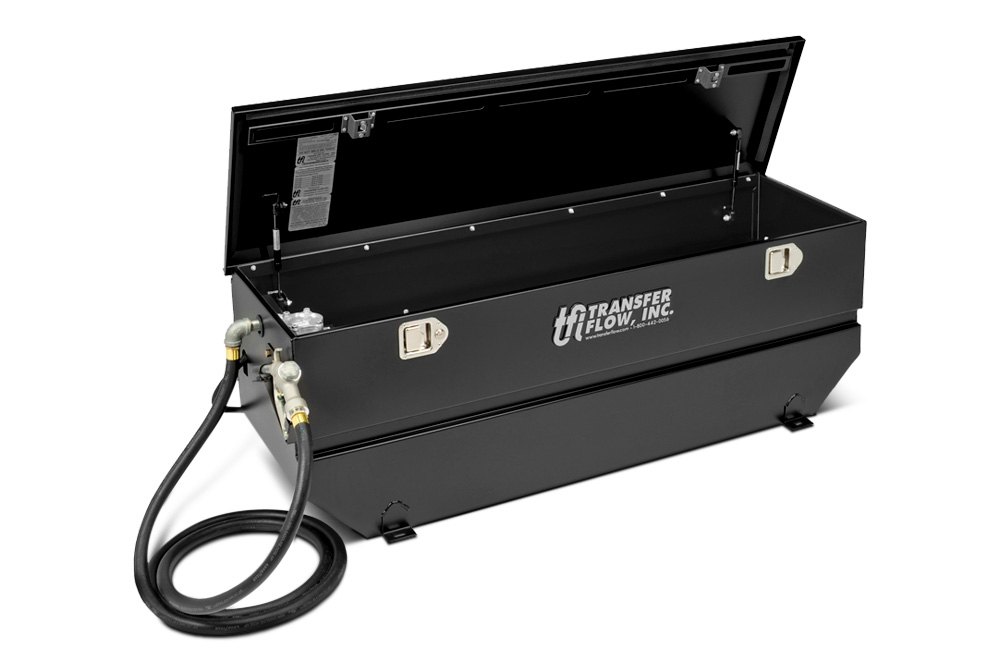
So, how can you enjoy the benefits of an auxiliary tank more effectively? First, choose the right tank for your needs. Consider factors like size, material (aluminum or steel), and compatibility with your truck's fuel system. Consult with a reputable installer to ensure proper installation and compliance with local regulations. Next, understand how your auxiliary tank integrates with your primary tank. Some systems automatically transfer fuel, while others require manual switching. Finally, regularly inspect your tank and fuel lines for leaks or damage. Proper maintenance will ensure years of reliable service and peace of mind.
An auxiliary gas tank is more than just an extra fuel container; it's an investment in freedom, convenience, and security. It empowers you to explore further, work smarter, and be prepared for whatever the road throws your way. So, the next time you see a pickup truck confidently cruising down the highway, remember the possibility that it's powered by more than just a single tank of gas – it's powered by the spirit of adventure.


