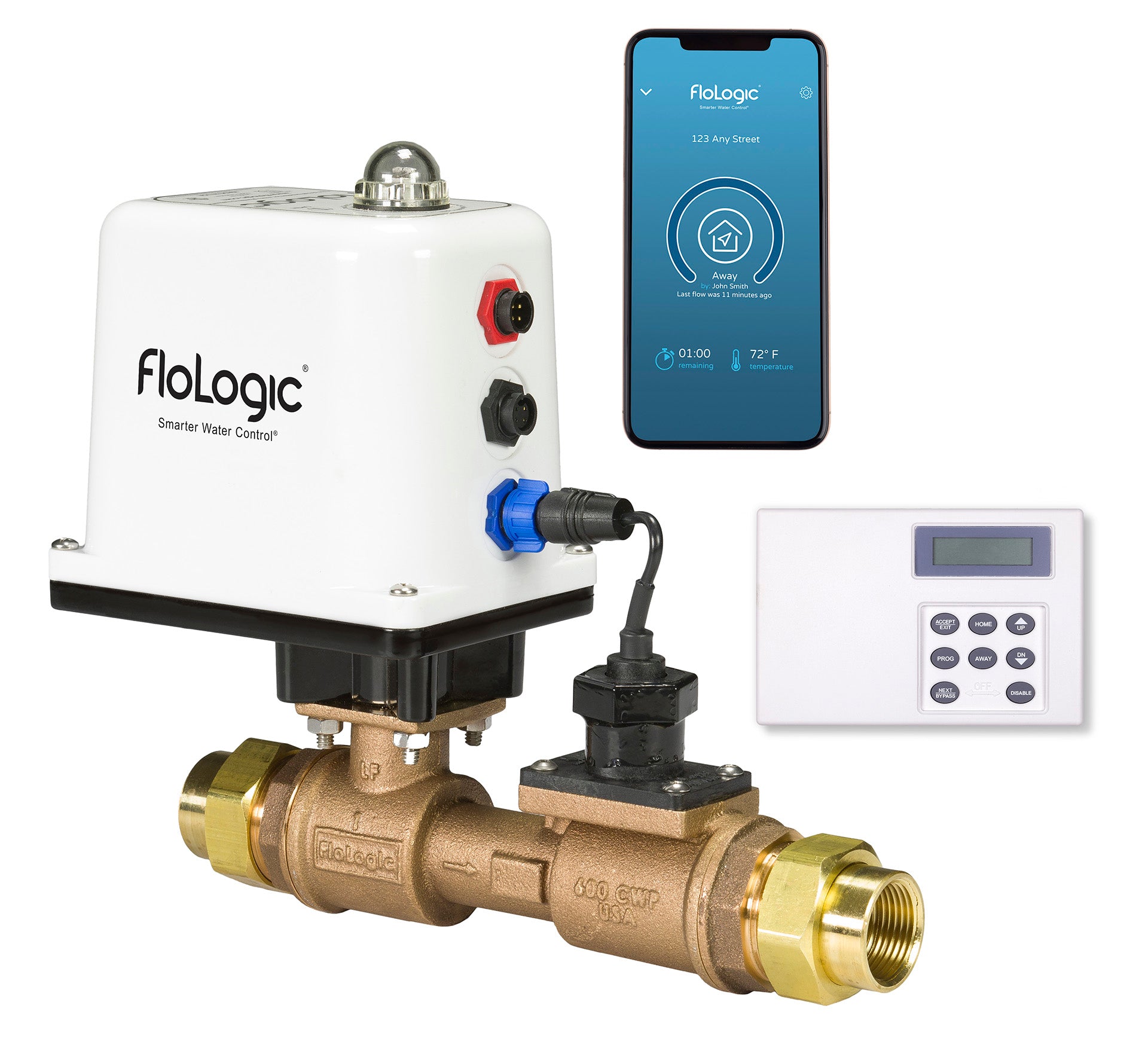
Auto Water Shut Off System
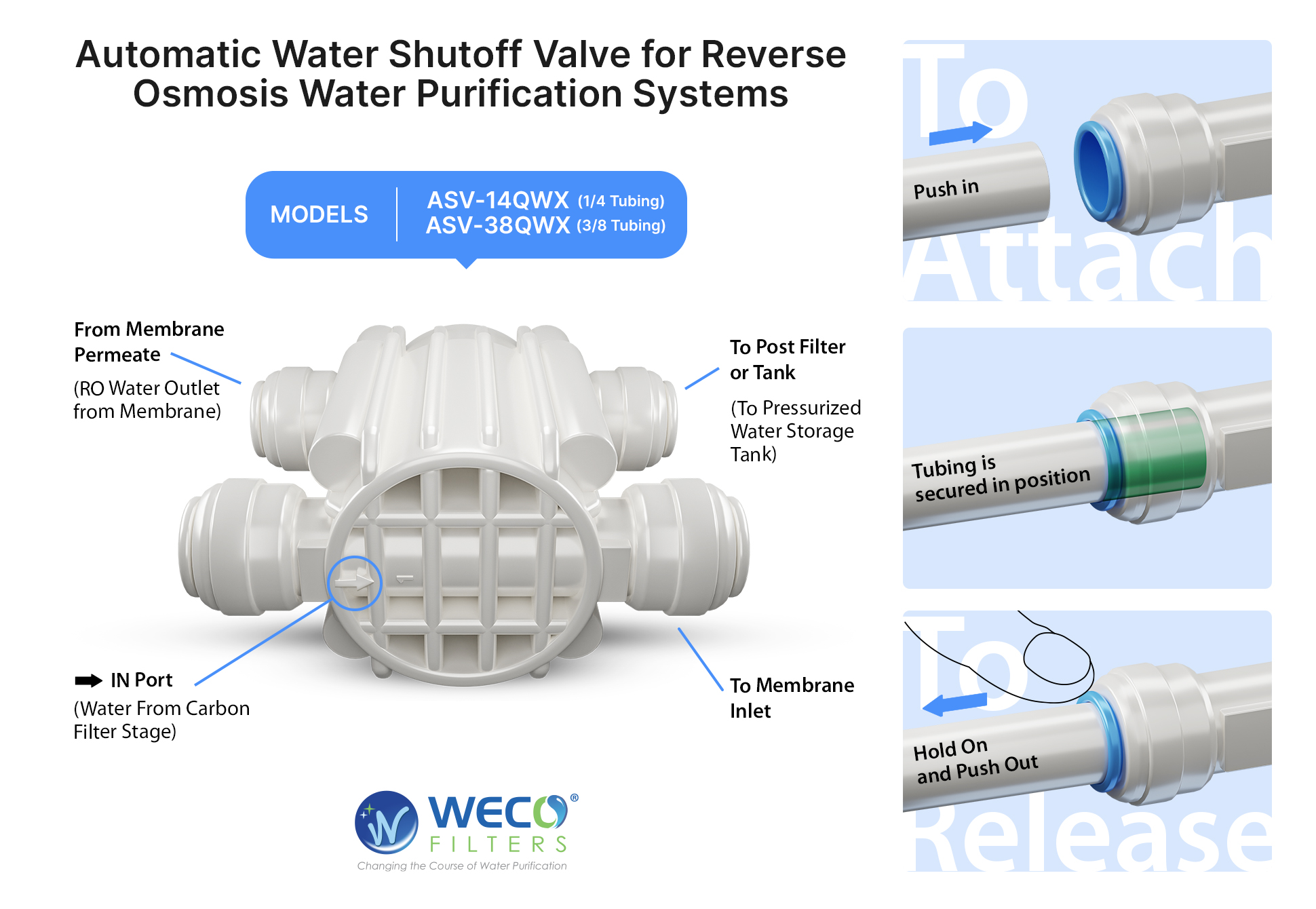
Ever had that sinking feeling? You're far from home, maybe on vacation, and suddenly a cold dread washes over you: "Did I turn off the curling iron?" or "Is the garage door really closed?" Now, imagine that feeling, but amplified by a thousand, realizing it's about a burst pipe flooding your kitchen. Yikes! Nobody wants to come home to a swimming pool where their living room used to be. That's precisely why we're going to dive into something truly fascinating today: the automatic water shut-off system. It’s not just a cool gadget; it’s a brilliant guardian for your peace of mind and your home’s foundations.
So, what exactly are these clever contraptions? Simply put, an automatic water shut-off system is designed to detect a water leak in your home and, within moments, automatically stop the main water supply. Think of it as a vigilant superhero for your plumbing, constantly scanning for trouble. Its primary purpose is to prevent minor drips from becoming major disasters. The benefits are enormous: it saves you from potentially catastrophic property damage, averts costly repairs (we're talking tens of thousands of dollars in some cases!), helps prevent mold growth, and significantly reduces insurance claims. Most importantly, it gives you incredible peace of mind, knowing your home is protected even when you're miles away.
Let's look at some real-world scenarios. Imagine your washing machine hose finally gives up the ghost while you're at work. Normally, you'd come home to a flooded laundry room and potentially damaged ceilings below. With an automatic shut-off system, a sensor detects the pooling water, and boom, the main water valve closes, limiting the damage to a mere puddle instead of a torrent. The same goes for a leaky water heater, a burst pipe during a cold snap, or even an overflowing toilet – these systems act as an instant, invisible barrier against watery chaos. They can even be integrated with smart home systems, sending alerts directly to your phone, so you’re always in the loop.
Must Read
While their main role is in daily life, these systems offer a neat peek into how smart technology works. For the curious mind or even in a classroom setting, an automatic water shut-off system can be an excellent practical example of sensors, actuators, and basic automation principles. You can explore how different types of sensors (like flow sensors or moisture sensors) trigger an action (closing a valve). It’s a tangible way to understand cause-and-effect in engineering and how simple inputs lead to crucial protective outputs.
Curious to explore this further? Here are a few simple tips: Start by doing a quick online search for "whole-house water shut-off systems" versus "local leak detectors." You'll find a range of options, from DIY sensors that sit near appliances to professional whole-house installations. Take a look at the plumbing around your own home – where are the riskiest spots for leaks (under sinks, near the water heater, behind the washing machine)? Chat with your local plumber or a smart home expert; they can offer insights into what might work best for your specific needs. Understanding this technology isn't just about preventing floods; it's about appreciating the clever ways we can use innovation to make our homes smarter, safer, and give ourselves one less thing to worry about.