At What Temperature Do Air Conditioners Stop Working
/GettyImages-533592578-57e681ce3df78c690fb17ca4.jpg)
Okay, let's talk air conditioners. Those magical boxes that save us from turning into human popsicles in the summer. But have you ever wondered if there's a limit to their superpowers? Like, a temperature where they just throw in the towel and say, "Nope, I'm out"? The answer, my friend, is a bit more complicated than a simple number, but let's break it down in a way that won't make your brain melt (unlike you in a heatwave!).
Think of your AC unit like a tiny, tireless worker constantly battling the heat. It sucks the warm air from inside your house, cools it down, and blows it back out. But just like us, it has its limits. While there isn't one specific "death temperature," there's a range where its efficiency starts to plummet and, eventually, it might feel like it's given up the ghost.
The "Danger Zone" for AC Units
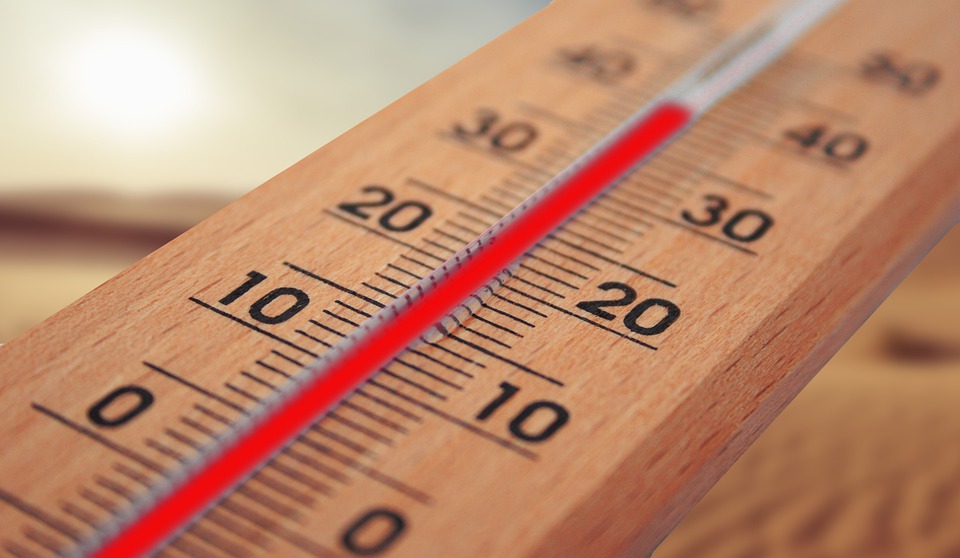
Generally, most standard AC units start struggling when outdoor temperatures consistently hit around 95 degrees Fahrenheit (35 degrees Celsius) or higher. Now, that doesn't mean they'll completely shut down. It just means they'll be working a whole lot harder, using more energy, and potentially not cooling your house as effectively as you'd like. Think of it like trying to run a marathon when you're already exhausted – you might finish, but it's going to be rough.
Must Read
I remember one summer, the temperature stayed stubbornly above 100 for days. My poor AC was running non-stop, bless its little compressor. The house was sort of cool, but my electricity bill looked like it had gone on a shopping spree. That's a prime example of when your AC is in the "danger zone."
Why does this happen? Well, it's all about the refrigerant inside your AC unit. It's responsible for absorbing heat. When the outside air is incredibly hot, it makes it harder for the refrigerant to release that heat efficiently. It’s like trying to empty a bucket of water into a swimming pool that's already overflowing – you're not making much progress.
Beyond the Temperature: Other Factors at Play
It's not just about the number on the thermometer, though. Several other factors can affect your AC's performance, even at lower temperatures:
- Age of your unit: An older AC is like an older car – it's not as efficient as it used to be. Its parts are worn, and it might struggle more in extreme heat.
- Size of your AC: If your AC unit is too small for your house, it'll be constantly working overtime, no matter the temperature. It's like trying to cool a mansion with a tiny window unit.
- Insulation: Poor insulation means your house is losing cool air faster than your AC can replace it. It’s like trying to fill a bucket with a hole in the bottom.
- Maintenance: A dirty air filter or clogged coils can seriously impact your AC's efficiency. Think of it like trying to breathe through a clogged straw – it's hard work! Regular maintenance is key!
Why Should You Care?
Okay, so your AC might struggle a bit in extreme heat. Why should you care? Well, for a few reasons:

- Higher Energy Bills: A struggling AC uses more energy, which means a higher electricity bill. No one wants that!
- Reduced Comfort: If your AC can't keep up, your house won't be as cool and comfortable as you'd like. Sleepless nights and sweaty days are no fun.
- Potential Damage: Overworking your AC can lead to breakdowns and costly repairs. Think of it as pushing your car engine to the limit every day – eventually, something's going to give.
- Shorter Lifespan: A consistently overworked AC will likely have a shorter lifespan than one that's properly maintained and not pushed to its limits.
What Can You Do?
Alright, so what can you do to protect your AC and stay cool even when temperatures soar?
- Regular Maintenance: Change your air filters regularly (at least every 1-3 months). Get your AC unit professionally serviced at least once a year. This is crucial!
- Seal Air Leaks: Caulk windows and doors to prevent air from escaping.
- Improve Insulation: Add insulation to your attic and walls to keep your house cooler.
- Use Fans: Ceiling fans and portable fans can help circulate cool air and make your AC's job easier.
- Close Curtains and Blinds: Especially on south-facing windows, to block out direct sunlight.
- Avoid Using Heat-Generating Appliances During Peak Hours: Try to avoid using your oven, dryer, or dishwasher during the hottest part of the day.
- Consider a Smart Thermostat: These allow you to program your AC to run more efficiently and adjust the temperature remotely.
In short, while there's no single "shut-down" temperature for air conditioners, understanding their limitations and taking proactive steps can help you keep your home cool, your energy bills down, and your AC unit happy for years to come. And that, my friends, is a win-win!