At What Temp Does Water Freeze
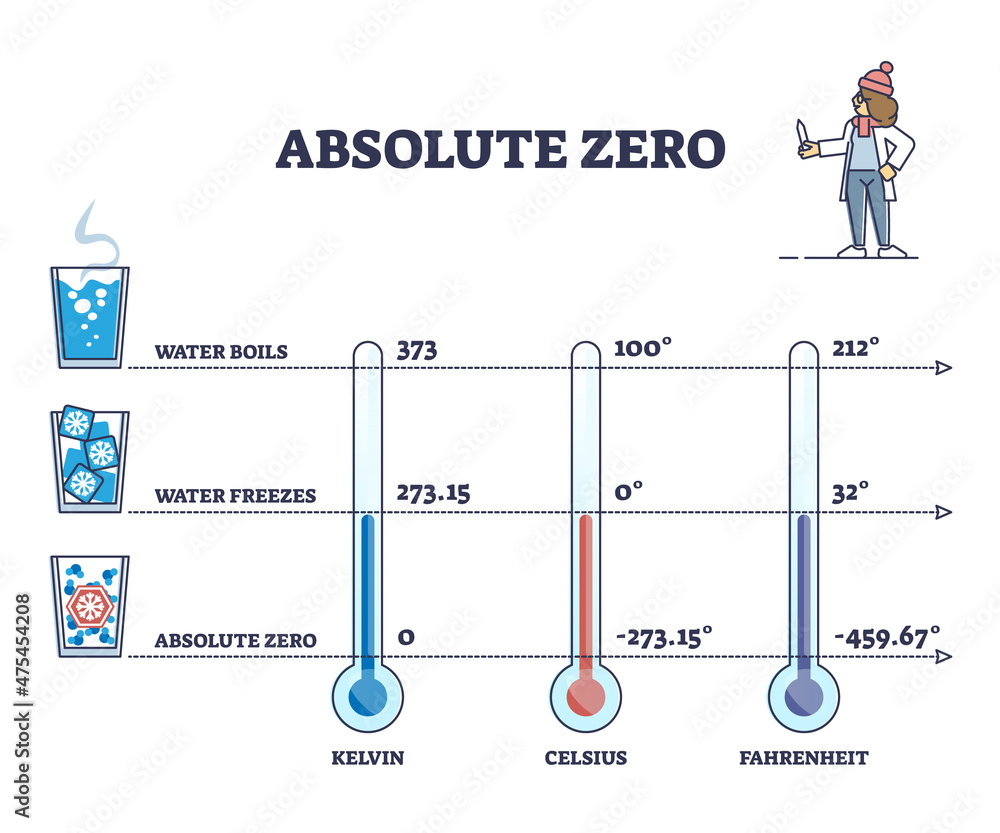
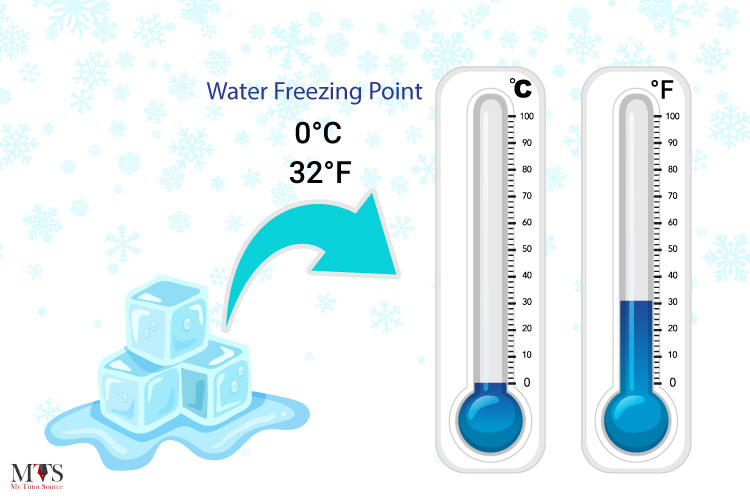
We all think we know water. It’s the stuff of life, of rain, of tears, and of that satisfying glug from a cold glass on a hot day. And when it comes to freezing, well, that’s just a no-brainer, right? Everyone knows the magic number. It's drilled into us from grade school: 32 degrees Fahrenheit or 0 degrees Celsius. The moment the mercury dips to that point, poof! liquid turns to solid, and suddenly we have ice cubes, slippery sidewalks, and the potential for a really good snowball fight. But what if I told you that water, our old friend, sometimes has a few tricks up its sleeve? That its journey to becoming a shimmering solid isn't always as straightforward as we imagine?
The Usual Suspects, and a Little Shenanigan
Indeed, for most practical purposes, the trusty numbers hold true. When you pop that ice tray into the freezer, you’re counting on those temperatures to do their job. And they usually do. We rely on them for everything from chilling our lemonade to keeping our frozen peas perfectly preserved. It’s the dependable standard that helps us predict winter’s chill and plan our outdoor adventures. But every now and then, water likes to remind us that it’s not just a simple chemical compound; it’s a tiny bit of a rebel. Sometimes, it gets a little cheeky, playing hide-and-seek with its own freezing point.
It's remarkable how something so common can hold such delicate mysteries, reminding us that even the simplest things have their own profound depth.
Imagine this: you've got a perfectly still glass of water, perhaps very clean, sitting in a freezer that's actually colder than 0°C or 32°F. You check on it, expecting solid ice, but nope! It's still liquid. What gives? Has our elementary school teacher led us astray? Not quite. This isn’t a conspiracy; it’s a fascinating phenomenon known as supercooling. It’s when water gets shy, refusing to freeze even when it’s technically cold enough to do so. It's like a child refusing to go to bed, even though it's well past their bedtime!
Must Read
The Great Supercooling Mystery: A Peek Behind the Curtain
For water to freeze, it needs a little nudge, a tiny starting point for the ice crystals to form. Think of it like a party: everyone’s there, but no one wants to be the first one on the dance floor. These "nudges" can be tiny dust particles, imperfections in a container, or even air bubbles. If the water is incredibly pure and perfectly still, it can actually drop several degrees below its usual freezing point without solidifying. Then, with just a tiny jolt – a tap on the glass, a dropped ice cube, or even a sudden disturbance – whoosh! The entire glass can instantly crystallize before your very eyes. It's a magic trick performed by nature, right in your kitchen.

This little secret of water's freezing point adds a layer of whimsical surprise to our world. Have you ever seen an icicle form on a crisp winter morning, each drip freezing in its turn, not all at once? Or perhaps you’ve marveled at the intricate patterns frost paints on a windowpane, each crystal a testament to water’s precise, yet sometimes hesitant, transformation. It’s in these moments that we see the subtle dance of temperature and molecular structure.
From Slippery Surprises to Heartwarming Wonders
Beyond the scientific curiosity, the freezing point of water weaves itself into the fabric of our daily lives, often with a humorous or heartwarming touch. Who hasn't experienced the sudden, comic slip on an unexpected patch of black ice, only to laugh it off (eventually!)? Or the pure, unadulterated joy on a child’s face as they discover their first puddle frozen solid, perfect for a tentative stomp?

And then there are the truly heartwarming aspects. Think of the cozy charm of a crackling fire while snow gently falls outside, turning the world into a hushed, white wonderland. Or the shared laughter and clumsy grace of an afternoon spent ice skating, holding hands with loved ones. It’s the satisfaction of a perfectly chilled drink on a sweltering summer day, the ice cubes clinking like tiny bells, doing their humble job thanks to that precise temperature threshold. From the delicate beauty of a snowflake to the robust structure of a winter igloo, water's ability to transform at that specific temperature (or sometimes, just a little below it) shapes our experiences and memories.
Perhaps the truest magic isn't just in seeing the ice, but in the warmth it brings to our memories and the cool relief it offers on a hot day.
So, the next time you drop an ice cube into your drink or gaze out at a frosty morning, take a moment. Appreciate not just the cold, hard fact of 32°F or 0°C, but the subtle complexities and delightful surprises hidden within water's simple act of freezing. It's a reminder that even the most fundamental elements of our world hold a little bit of magic, waiting to be discovered and appreciated, adding texture, wonder, and sometimes even a chuckle, to our everyday lives.