
At What Age Should You Stop Working Night Shifts
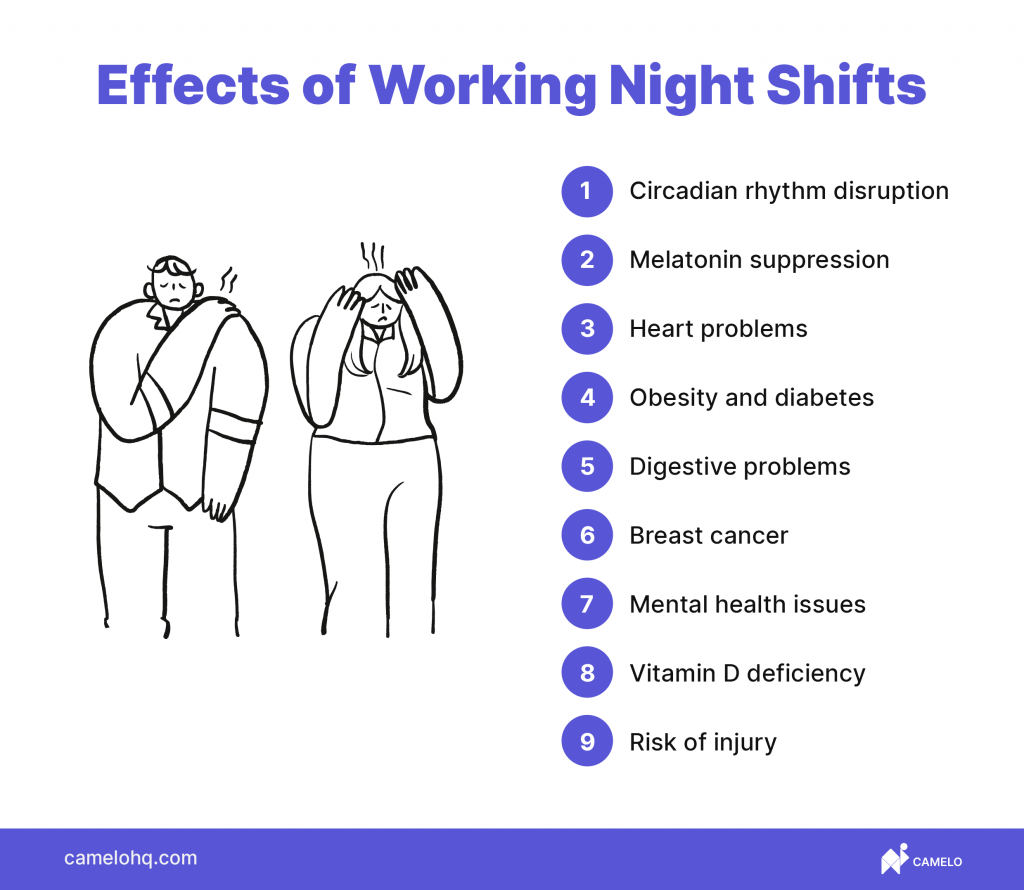
Hey, friend! Grab your latte (or, you know, something stronger if you just finished a night shift!), let's talk about something near and dear to every sleep-deprived soul: when do we finally get to ditch those night shifts?
Seriously, it's a question that plagues us all, isn't it? Especially when you're staring blankly at the sunrise after a long night, wondering if you're actually a vampire.
The Great Age Debate: Night Shifts Edition
There's no magical age, sadly. No official "Okay, you're old enough to sleep like a normal human now" decree. Wouldn't that be amazing though? Imagine the ceremony! Retirement from Nocturnal Employment!
Must Read
But realistically, it’s super individual. Some people can pull all-nighters well into their… ahem… golden years (bless their superhuman abilities). Others? Well, their bodies start staging a full-blown revolt sometime around 35. Maybe earlier! Don’t look at me; I’m just reporting the facts (and sipping my coffee!).
So what gives? What makes one person night-shift-proof and another ready for daytime retirement?
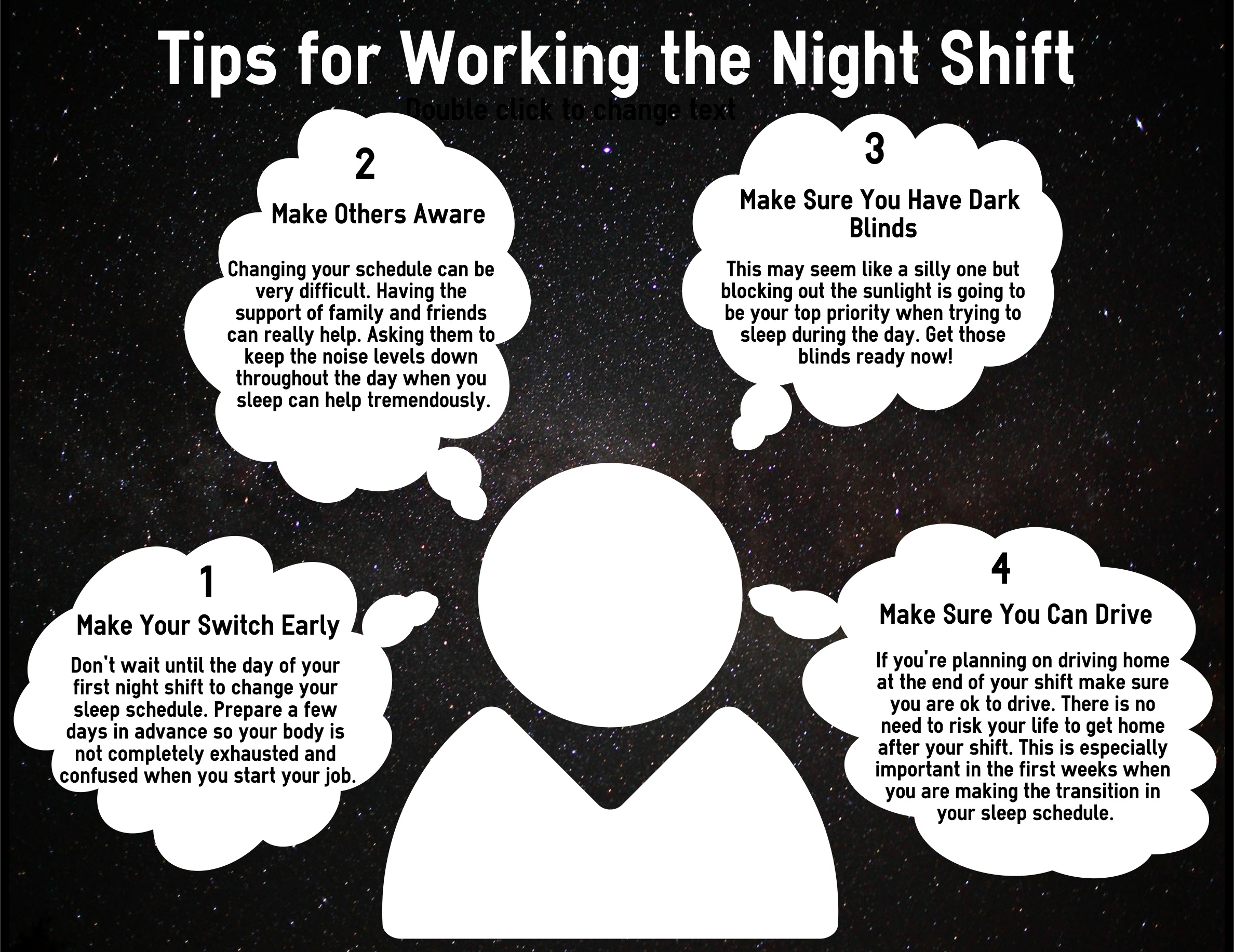
Honestly, it's a cocktail of factors. Things like your overall health, how well you sleep during the day (a major key!), your stress levels, and even your genetics play a role. Yep, blame your parents! (Just kidding… mostly.)
Listen to Your Body (It’s Probably Screaming)
This is the golden rule, my friend. Your body is a whiny but ultimately truthful roommate. Ignore it at your peril! Is it constantly yelling about fatigue? Headaches? Digestive issues? Is your social life resembling a hermit crab more and more each day?
These are all red flags! Your body is basically holding up a neon sign that says, "NIGHT SHIFTS ARE KILLING ME!"

Pay attention to things like:
- Sleep Quality: Are you actually sleeping during the day, or just tossing and turning, dreaming of sunlight?
- Energy Levels: Do you feel constantly drained, even on your days off?
- Mental Health: Are you feeling more anxious, depressed, or just plain irritable?
- Physical Health: Notice any changes in your weight, blood pressure, or digestion?
If the answer to any of those is a resounding "YES!", it's time to seriously consider a change. And I mean seriously consider it. Like, start updating your resume tonight.
The "Is It Worth It?" Calculation
Okay, let's be real. Night shifts often come with perks, right? Maybe it's the extra pay, the fewer people, or the sheer quiet of the night. But at what cost?
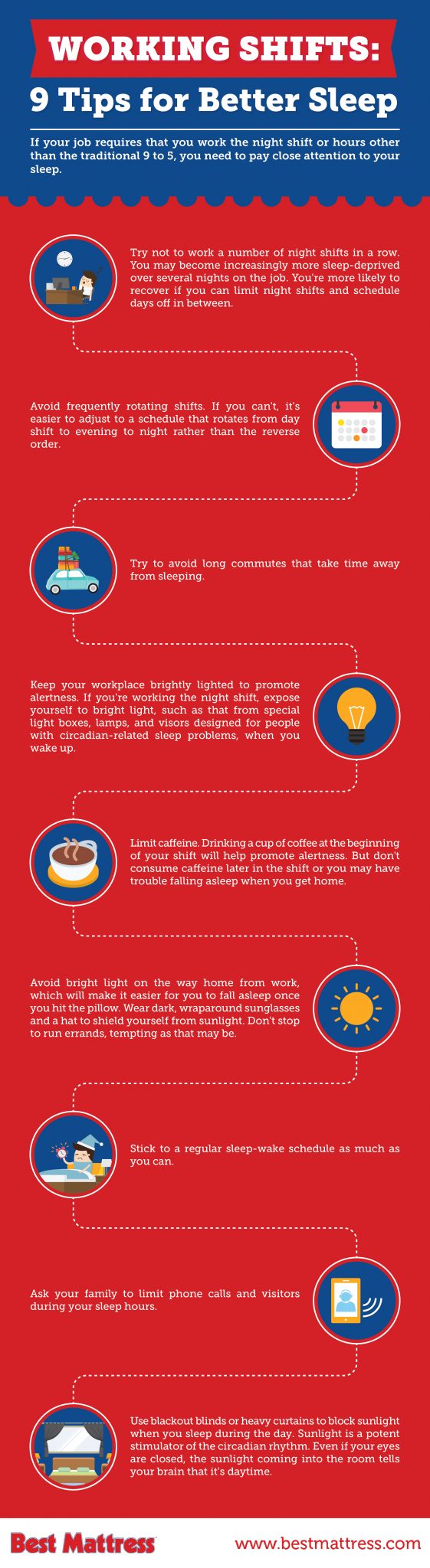
Think about it: are those extra dollars really worth sacrificing your health, your relationships, and your general well-being?
It's a tough question, and the answer will be different for everyone. But it's a question you need to ask yourself honestly. Is the financial reward truly outweighing the physical and mental toll?
Talk to the Professionals (Seriously!)
Look, I'm just a friendly voice on the internet, not a doctor. So, if you're concerned about the impact of night shifts on your health, please talk to your doctor. They can run tests, assess your risk factors, and give you personalized advice.
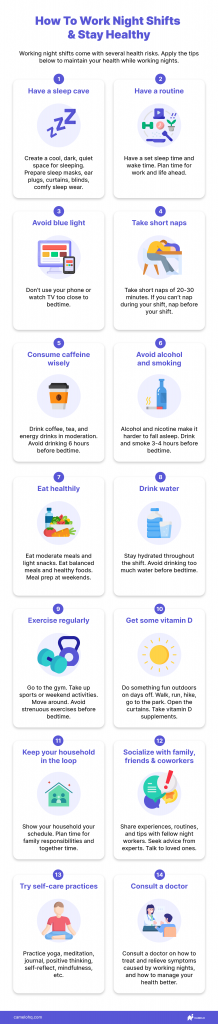
Also, consider talking to a sleep specialist. These people are sleep ninjas! They can help you optimize your sleep schedule, identify any underlying sleep disorders, and create a plan to get you back on track. Even if “back on track” means getting off the night shift track.
The Bottom Line (Because There Always Is One)
There’s no magic number for hanging up your nocturnal spurs. But when the costs start outweighing the benefits, and your body is screaming for mercy, it’s time to re-evaluate. Your health and happiness are worth more than any night differential, right?
So, go forth, my friend, and reclaim your sleep! And if you see me out and about during the day, it's because I finally took my own advice. 😉