Argon Setting For Mig Welding
There's something uniquely satisfying about the sizzle, flash, and eventual cool strength of a perfectly executed weld. It’s like magic, turning disparate pieces of metal into a unified whole. And if you’ve dipped your toes into the rewarding world of MIG welding, you know it’s not just about the sparks flying. There's a hidden hero, a silent guardian that ensures your welds are strong, clean, and beautiful: shielding gas. And when it comes to MIG, our undisputed champion is often argon.
Think of welding as a delicate dance between molten metal and extreme heat. The air around us, with its pesky oxygen and nitrogen, is a party pooper. These elements love to contaminate your weld puddle, leading to ugly porosity, weak joints, and a whole lot of frustration. That's where argon steps in, like a superhero with an invisible force field.
Meet Argon: Your Weld's Best Friend
Argon is what scientists call an inert gas. That means it doesn't react with other elements, even under the intense heat of your welding arc. Instead, it gently blankets the weld area, pushing away atmospheric contaminants and allowing your molten metal to solidify without interference. The result? A much stronger, smoother, and more aesthetically pleasing weld bead. It’s like giving your metal a spa day, ensuring it hardens into its best possible self.
Must Read
Fun fact: Argon is the third most abundant noble gas in Earth's atmosphere, making up about 0.93% of the air we breathe. It's literally all around us, and thankfully, it's readily available in handy cylinders for our welding adventures.
Finding the Sweet Spot: Argon Flow Rate
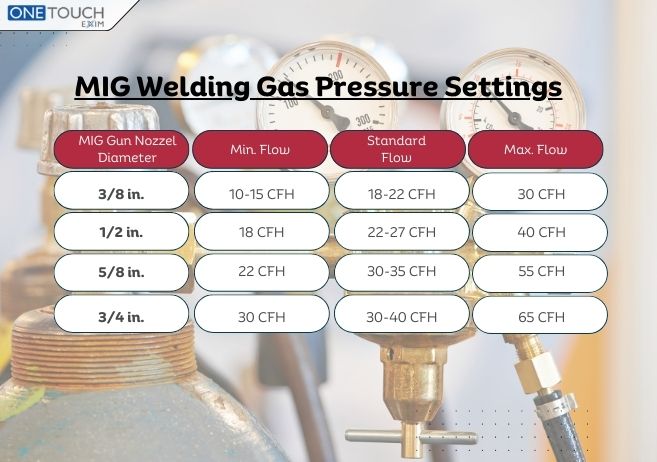
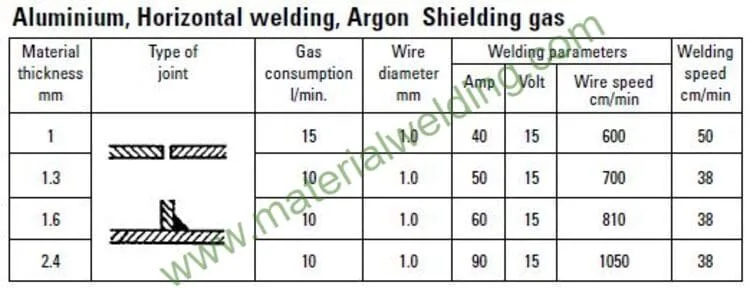
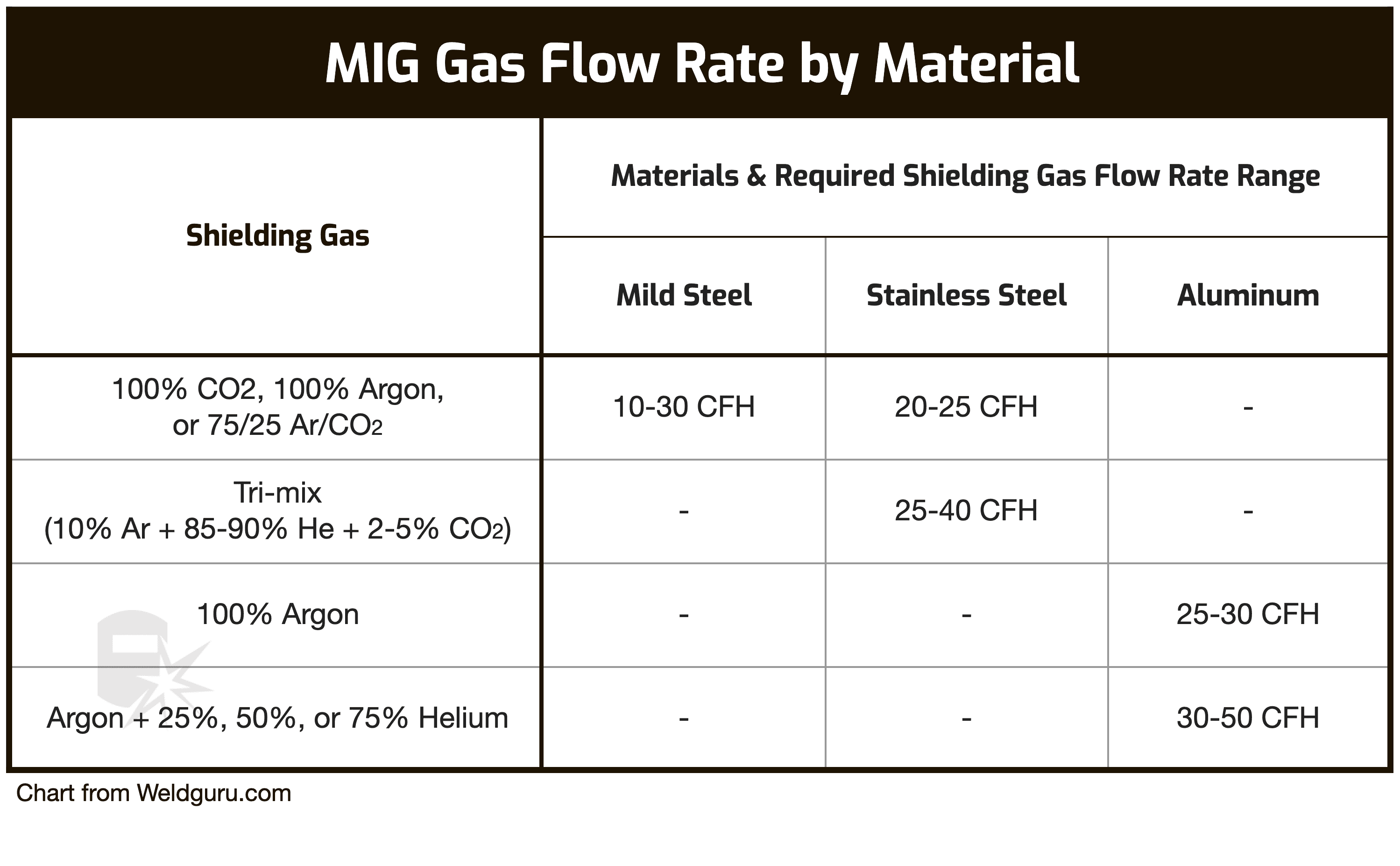
Now, getting your argon setting right is key. It's not a "set it and forget it" kind of deal. You'll be adjusting your flow rate, which is typically measured in CFH (Cubic Feet per Hour) on your regulator. For most hobbyist and light fabrication MIG welding with pure argon, you’re usually looking for a range between 15 to 25 CFH. This is your starting point, your "goldilocks zone."
Why a range? Because just like a master chef adjusts spices to taste, a savvy welder tweaks their gas flow based on a few factors:
- Material Thickness: Thicker material often requires a bit more gas to ensure full coverage.
- Wire Diameter: Larger diameter wires can sometimes benefit from slightly higher flow.
- Nozzle Size: A larger nozzle might need a smidge more gas to create an effective shield.
- Drafts & Wind: This is a big one! Any breeze can blow your precious argon shield away, requiring a bump in flow or, better yet, a simple windbreak.
- Joint Type: Deep V-grooves or tricky corners might need a bit more flow to ensure the gas penetrates adequately.
Too Much or Too Little? The Goldilocks Analogy
Getting the flow rate just right is crucial. Think of it like a delicate balance:
If your argon flow is too low, you're essentially leaving your weld exposed. You'll see signs of trouble: porosity (tiny holes in the weld), a dirty or sooty appearance, and a weak, brittle bead. It’s like trying to protect yourself from a monsoon with a tiny teacup – just not enough coverage.
On the flip side, if your flow is too high, you’re wasting gas (which costs money!) and can actually create problems. Excessive flow can cause turbulence, pulling in ambient air and contaminants. It can also cool the weld puddle too quickly. It's like blowing so hard on a hot soup that you end up splashing it all over the table – counterproductive and messy.
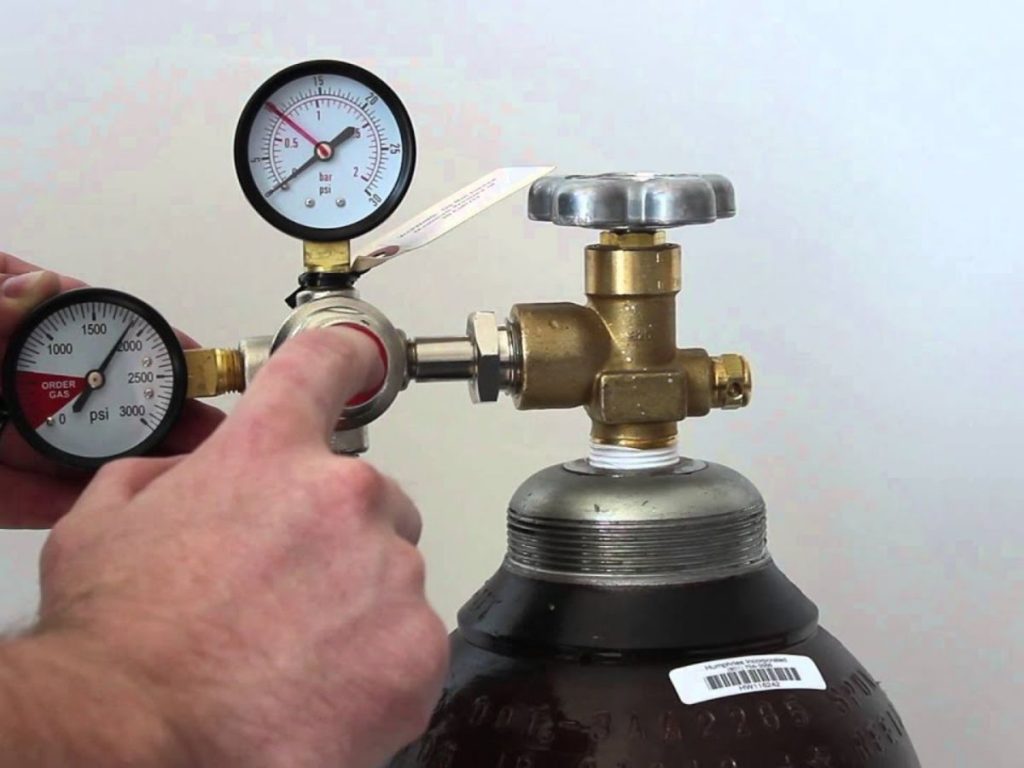
Practical Tips for Argon Bliss
- Listen and Look: Your regulator should emit a gentle hiss. If it’s roaring or silent, something’s off. Watch your weld puddle; it should be clean and clear, not sparking wildly with a dirty appearance.
- The Soap Bubble Test: If you suspect a leak in your gas line, mix some soapy water and brush it over all connections. Bubbles will reveal the culprit!
- Block the Breeze: Welding outdoors? Even a gentle breeze is your enemy. Set up simple windbreaks using cardboard, plywood, or tarps. You’ll thank yourself later.
- Regulator Love: Invest in a good quality regulator. It’s the gatekeeper for your gas flow and ensures consistency.
- Start and Adjust: Begin with the recommended 15-25 CFH, make a test weld, then adjust up or down by 2-5 CFH increments. Observe the weld bead closely. This iterative process is how you find your perfect setting for each project.
Beyond the Sparks: A Reflection
Mastering your argon setting in MIG welding is a lot like mastering aspects of daily life. It’s about observation, patience, and making small, informed adjustments. You learn to read the subtle cues – the sound, the look of the puddle, the final quality of the bead – and respond accordingly. It's a reminder that even the smallest details, like an invisible gas flow, can have a profound impact on the strength and integrity of what you're building.
So next time you fire up your MIG welder, take a moment to appreciate that silent, invisible shield. It's a testament to how the right preparation and the perfect balance can transform simple components into something truly strong and lasting, much like the meaningful connections we strive to build in our own lives.