Argon Setting For Mig Welder
Welcome to the Wonderful World of Argon!
Alright, grab a comfy chair, because we're about to dive into one of the unsung heroes of magnificent MIG welding: the incredible, invisible magic of Argon gas! Now, don't let the fancy science name scare you. Think of Argon not as a complicated element from the periodic table, but as your welder's trusty, silent, and absolutely essential sidekick. It's the secret sauce that takes your welds from "meh" to "WOW!"
Your Welder's Invisible Sidekick
Imagine your molten weld pool, glowing like a tiny sun, vulnerable and squishy. It's a prime target for all the grumpy, nasty stuff floating around in the air – things like oxygen and nitrogen that absolutely hate good welds. These air gremlins will cause all sorts of chaos, leading to ugly, weak, and porous welds that no one wants to show off. This is where Argon swoops in, cape flowing (metaphorically, of course!).
"Think of Argon as the ultimate bodyguard for your weld pool, creating an invisible, protective bubble around that molten metal, shooing away all the bad guys from the atmosphere."
It's denser than air, so it just lovingly drapes itself over your work, keeping everything pure and perfect. Without it? Oh boy, you’d have welds that look like they've been attacked by a flock of angry pigeons – full of holes, spatter, and general grumpiness. Argon ensures smooth, clean, and strong welds, making your projects look like they were crafted by a master.
Must Read
The Not-So-Secret Language of CFH
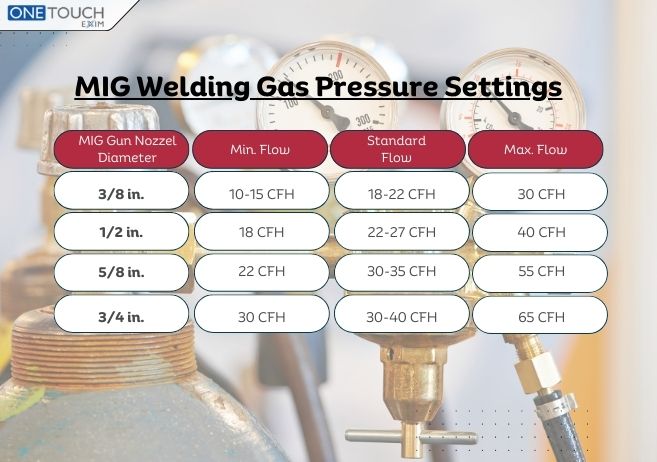
So, how do you unleash this welding wizardry? It all comes down to setting your flow rate, usually measured in CFH (Cubic Feet Per Hour). This isn't some rocket science; it's just how much Argon you're letting flow out of your tank and through your torch. Think of it like turning up the volume on your favorite song, or adjusting the fan speed on a hot day. Too low, and you're barely getting a whisper; too high, and you're creating a mini-wind tunnel!
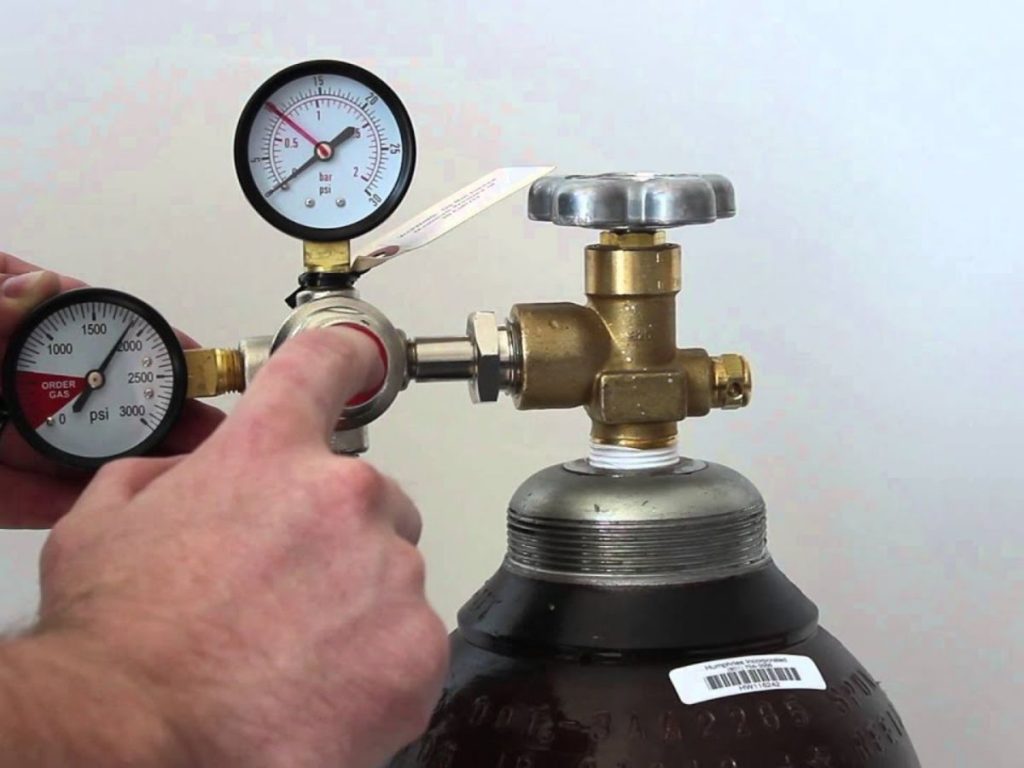
You'll have a little knob on your regulator that lets you dial in this mystical number. The goal is to find that "just right" amount – enough to protect your weld, but not so much that you're literally blowing your money away. It’s a delicate dance, but one you’ll quickly master with a little practice and a good ear.
Goldilocks and the Three Argon Settings: Finding Your Sweet Spot
There's no single "magic number" for Argon flow, because like a good chef, you adjust based on your ingredients. A few factors play a role:
- Material Thickness: Thin sheet metal generally needs less Argon (think a gentle breeze), while thicker, beefier material needs a bit more oomph to keep that larger weld pool protected (a steady gust).
- Welding Position: Are you welding flat on a bench, or upside down like a bat? Overhead welding might need a tiny bump in flow to fight gravity and keep that shield in place.
- Drafts and Wind: Welding outside on a breezy day? You might need to crank up the CFH a bit to compensate for nature trying to steal your precious shield. Ideally, weld in a sheltered area, but life happens!
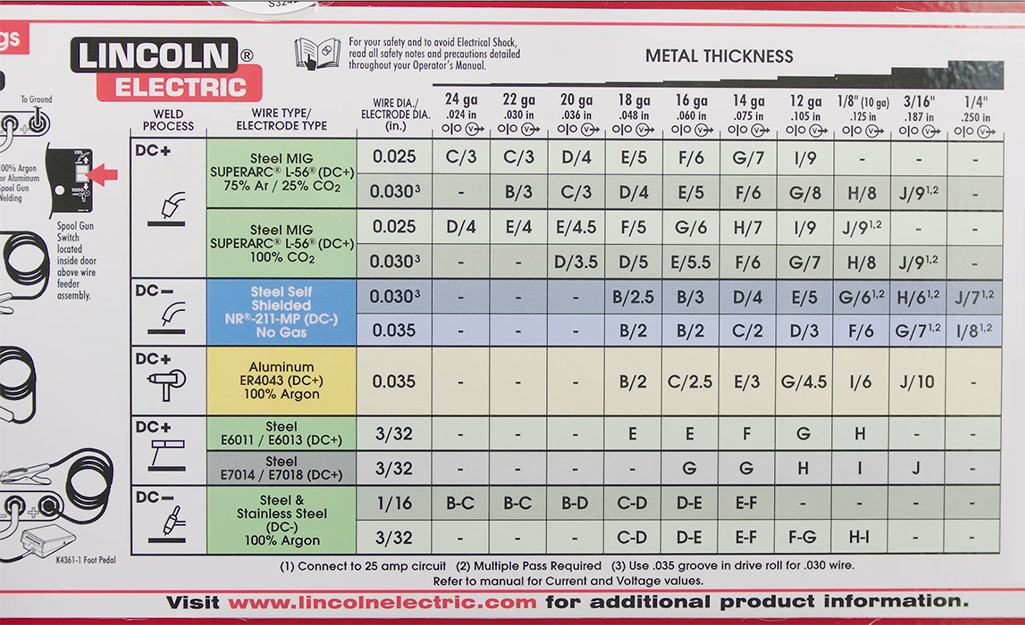
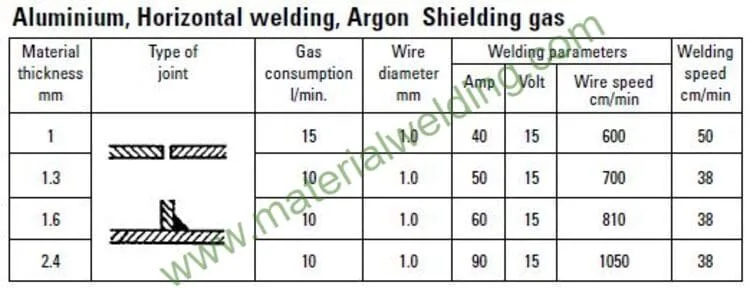
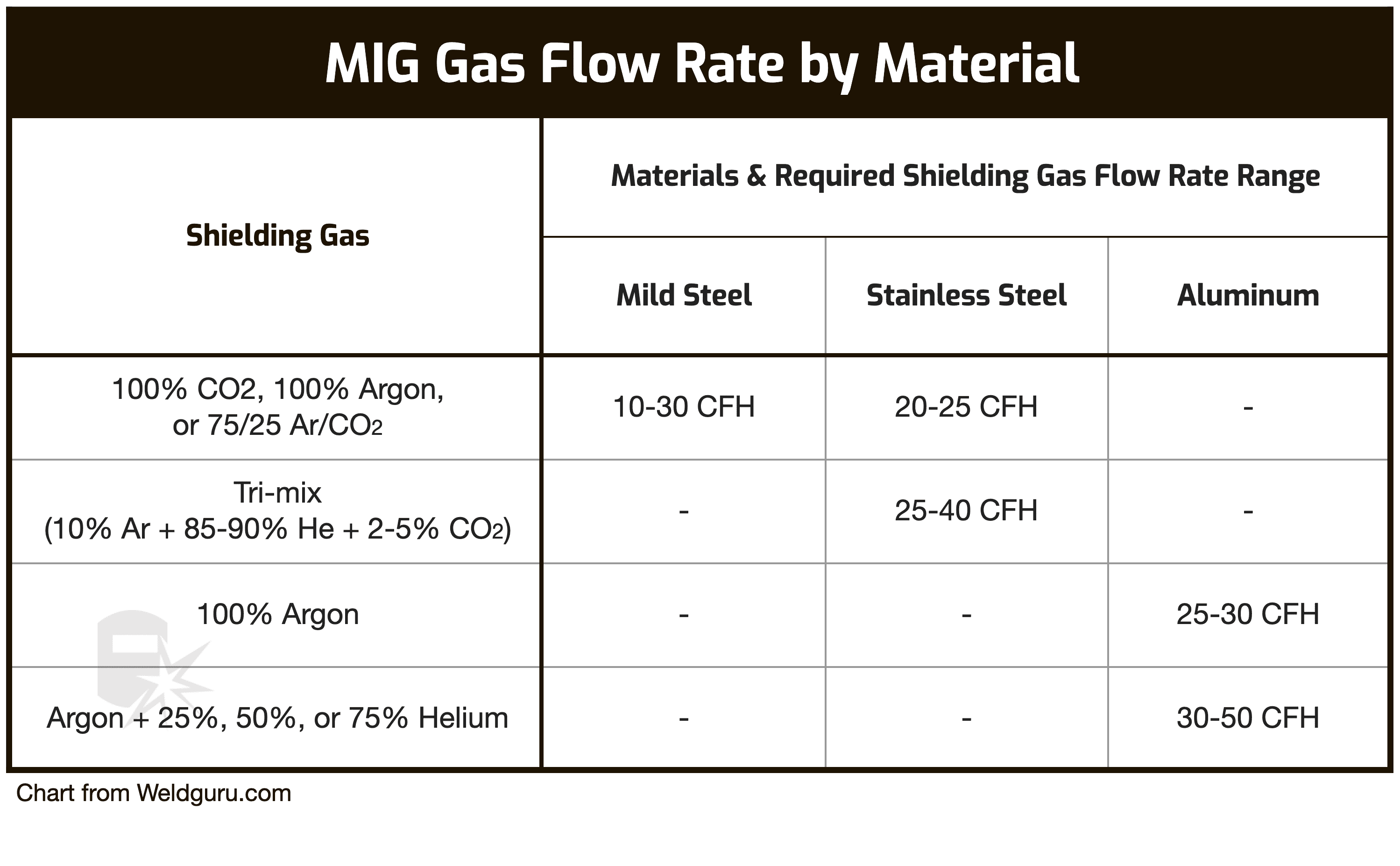
As a super rough starting point for most home MIG projects on steel, many welders hover around 15-25 CFH. For aluminum, which typically uses 100% Argon, you might push it a little higher, maybe 20-30 CFH, especially on thicker pieces.
"Too little Argon, and your weld will look like it had a bad hair day – full of holes, spatter, and general grumpiness. Too much, and you're just being wasteful, literally blowing your money into the air!"
When Argon Plays Hard to Get (Too Low)
You’ll know if your Argon flow is too low. Your welds will look dull, dirty, and likely have tiny little pinholes (porosity) popping up like an unwelcome rash. You'll hear a sputtering, unhappy sound from your torch, and your weld bead will be inconsistent and ugly. It’s like trying to protect yourself from a rainstorm with a tiny cocktail umbrella – completely ineffective and leaves you feeling miserable!
When Argon Is Overly Enthusiastic (Too High)
On the flip side, too much Argon isn't just wasteful; it can actually hurt your weld! Turn it up too high, and you're essentially creating a mini-hurricane over your weld puddle, blowing away all that precious shielding before it can do its job! This turbulence can actually pull in ambient air, defeating the whole purpose. Plus, your Argon tank will empty out faster than a free pizza buffet, and that’s just sad for your wallet.
You might even hear a very strong, almost whistling sound from the nozzle, indicating that you're overdoing it. A gentle, consistent hiss is what you're aiming for.
Your Argon Adventure Awaits!
The best way to become an Argon whisperer is to experiment! Start at a recommended setting for your material, listen to the gas, watch your weld, and adjust. Look for that perfectly smooth, consistent bead with minimal spatter. That's your sweet spot! Don't be afraid to dial it up or down by a few CFH until your welds look shiny, happy, and professional.
So go forth, embrace the power of Argon, and watch your MIG welds transform into beautiful, strong masterpieces. Your projects (and your inner perfectionist) will thank you!