
Are Titanium Cutting Boards Safe To Use
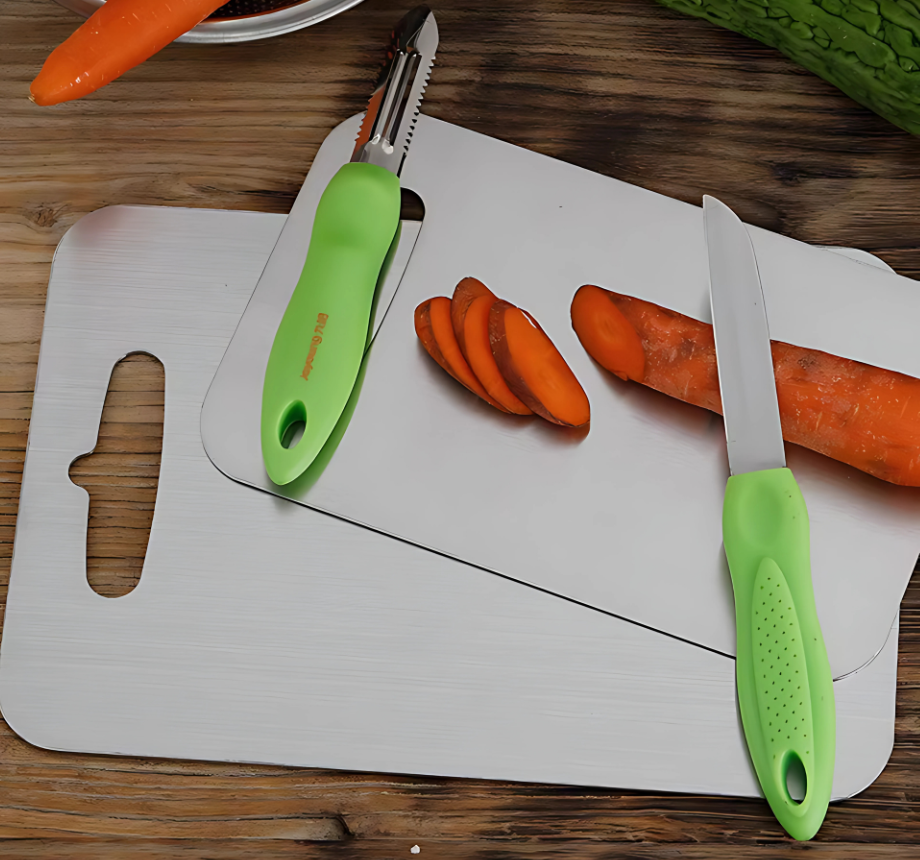
Titanium Cutting Boards: Are They Safe to Chop 'Til You Drop?
So, you've seen them, those sleek, futuristic looking cutting boards made of titanium. They look like something straight out of a sci-fi kitchen, and you’re wondering, "Can I actually chop veggies on this thing without turning into a superhero… or worse?"
Well, fret no more, intrepid home cook! Let’s slice through the mystery of titanium cutting boards and see if they’re a kitchen essential or just another shiny gimmick.
Titanium: Not Just for Spaceships Anymore
Titanium. It sounds impressive, right? It's the stuff they use in airplanes, artificial joints, and, yes, even sometimes in cutting boards.
Must Read
But does that mean it's safe to have it mingling with your carrots and cucumbers? The short answer is generally, yes.
Think of it this way: your silverware is probably made of stainless steel, which contains titanium as one of its components. Do you worry about your fork poisoning you? Hopefully not!
The Safety Slice: Understanding the Concerns
Now, before you rush out and buy a titanium cutting board the size of your countertop, let's address some potential concerns. Because, let's be honest, everything in life has a 'but'.
One concern is the possibility of tiny particles of titanium making their way into your food. While pure titanium is generally considered non-toxic, ingesting large quantities of any metal isn’t ideal.
However, the amount of titanium that could potentially leach from a well-made cutting board during normal use is incredibly small – we're talking trace amounts that your body can likely handle without batting an eyelash.
Quality Counts: Not All Titanium is Created Equal
Here's the catch: Just like with any product, the quality of the titanium cutting board matters. A poorly made board from an unreliable source could potentially use lower-grade alloys that might be more prone to leaching.

Therefore, do your homework. Look for reputable brands that use food-grade titanium or titanium alloys that have been tested and certified safe for food contact.
It's like buying a car. You wouldn't buy a clunker from a shady back alley dealer, would you? Treat your cutting board with the same respect!
The Knife-Edge Argument: Dull Knives and Shiny Boards
One of the biggest drawbacks of titanium cutting boards is that they can be tough on your knives. The hardness of the material can dull your blades faster than wood or plastic.
Imagine your favorite chef's knife screaming in agony every time it makes contact with the unyielding surface. Not a pretty picture!
If you're serious about keeping your knives sharp, a titanium board might not be the best choice. You'll be spending more time sharpening than chopping. Invest in a good knife sharpener, or stick to softer surfaces.
The Hygiene Hypothesis: Bacteria's Worst Nightmare?
One of the touted benefits of titanium is its resistance to bacteria. Titanium is less porous than wood, meaning it's harder for bacteria to find a cozy little home to multiply.

This can be a big plus for hygiene, especially when dealing with raw meat or poultry. No one wants a salmonella party on their cutting board!
However, even with its anti-bacterial properties, it's still important to clean your titanium cutting board thoroughly after each use. Don't rely on the titanium alone to do all the work.
The Price Point: Is it Worth the Investment?
Titanium cutting boards aren't exactly budget-friendly. They tend to be more expensive than their wooden or plastic counterparts.
So, is the extra cost worth it? That depends on your priorities. If you're looking for a durable, hygienic, and visually striking cutting board and you have the budget for it, then a titanium board might be a good choice.
But if you're on a tight budget or prefer a more traditional cutting surface, there are plenty of other options available.
Cleaning Considerations: Keeping it Gleaming
Cleaning a titanium cutting board is generally a breeze. Most can be washed with soap and water or even tossed in the dishwasher.

However, it's always a good idea to check the manufacturer's instructions to be sure. Some boards may have special cleaning requirements.
Just like any other cutting board, avoid using abrasive cleaners or scouring pads, as these can scratch the surface.
The Verdict: To Titanium or Not to Titanium?
So, are titanium cutting boards safe to use? Generally, yes. However, there are a few things to keep in mind.
Choose a high-quality board from a reputable brand, be aware of the potential for knife dulling, and clean it thoroughly after each use.
Ultimately, the decision of whether or not to buy a titanium cutting board is a personal one. Weigh the pros and cons, consider your budget and cooking style, and make the choice that's right for you.
Beyond Safety: The Cool Factor
Let's be honest: Part of the appeal of titanium cutting boards is their sheer coolness. They look like something a futuristic chef would use while preparing meals for astronauts on the moon.

If you're looking to add a touch of modern flair to your kitchen, a titanium cutting board is sure to turn heads. Just be prepared for your friends to ask a lot of questions!
It's like having a secret weapon in your culinary arsenal. Just don't let the power go to your head!
The Human Touch: A Heartwarming Anecdote (Hypothetically)
Imagine a grandmother, renowned for her apple pie, using a titanium cutting board. A juxtaposition of old-world charm and futuristic technology.
She might initially resist the newfangled gadget, preferring her trusty wooden board worn smooth by decades of use. But eventually, she'd come to appreciate the ease of cleaning and the hygiene of the titanium.
And one day, she'd pass down both the recipe and the cutting board, a symbol of tradition meeting innovation, a legacy of love sliced and diced on a surface fit for the future.
So, go forth and chop, dice, and mince with confidence, whether you choose titanium or trusty wood. Happy cooking!