
Are Tin And Aluminum The Same

Ever grabbed a cold soda, popped open the top, and thought to yourself, "Is this a tin can or an aluminum can?" It’s a common question, and one that often leads to a bit of head-scratching. We use these terms almost interchangeably in everyday chatter, but what’s the real story?
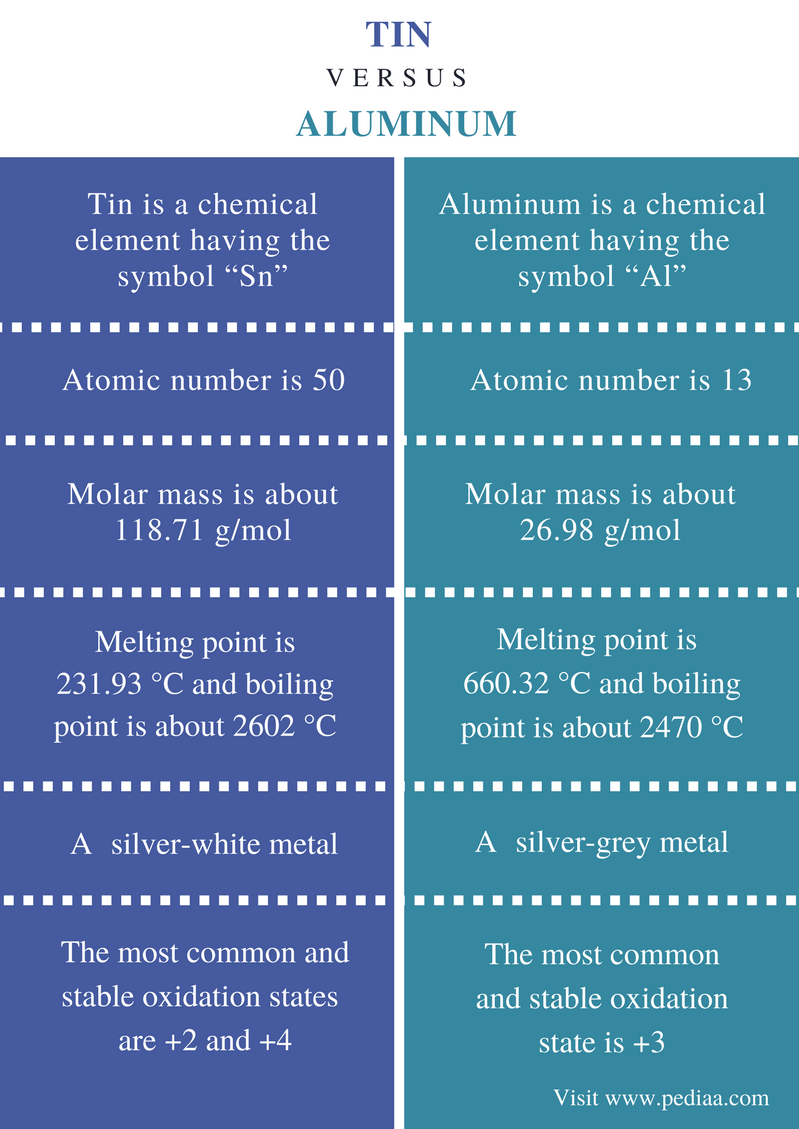
Prepare for a delightful surprise: tin and aluminum are absolutely not the same thing! They are two entirely different elements, like distant cousins who happen to share a similar shine but have very distinct personalities and life stories.
Meet Aluminum: The Modern Marvel
Let's start with Aluminum, the undisputed star of your recycling bin. This is the material that makes up almost all modern beverage cans – your fizzy drinks, your sparkling water, your refreshing beers. It’s light as a feather, incredibly strong, and boasts a brilliant, silvery sheen.
Must Read
Think about it: when you pick up a soda can, it feels practically weightless until it's full. That’s the magic of aluminum. Its lightness is a huge advantage, making shipping cheaper and easier on our planet.
But aluminum isn't just about weight. It’s also a champion of resilience. It doesn’t rust like iron, standing strong against the elements and keeping your beverages fresh and safe from corrosion. This makes it an ideal material for protecting what’s inside.
And here’s where aluminum truly shines, both literally and figuratively: it's incredibly recyclable. An aluminum can can be recycled over and over again, almost infinitely, turning into a new can in as little as 60 days.
"An aluminum can can be recycled over and over again, almost infinitely, turning into a new can in as little as 60 days."
This superhero quality makes aluminum a beloved material for environmentalists and manufacturers alike. It's a testament to modern ingenuity and our commitment to a greener future. So, the next time you hold a cold drink, you're likely holding a triumph of aluminum engineering.
Introducing Tin: The Historical Underdog (with a Twist)
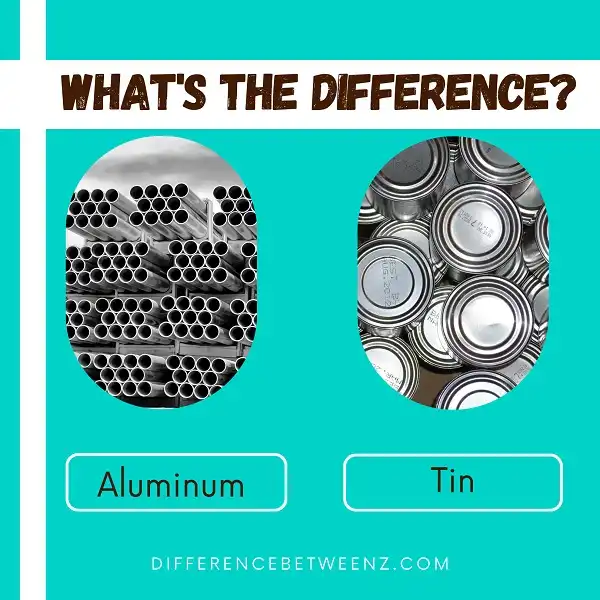
Now, let’s talk about Tin. This is where the plot thickens and our everyday language often leads us astray. When most people say "tin can," they are very rarely talking about a can made purely of tin.
The vast majority of what we call "tin cans" for food – like canned peaches, soup, or baked beans – are actually made from steel. Yes, good old iron-based steel!
So, where does tin come into play? Historically, these steel cans were coated with a very thin layer of tin. This tiny, almost invisible layer was essential. It prevented the steel from rusting and reacting with the food inside, keeping it safe and tasty.
Imagine a delicate protective blanket over a strong, hardworking core. That’s what tin was for steel cans. It was a vital, unsung hero, doing its job quietly to preserve our food for generations.
The invention of the "tin can" in the early 19th century was a massive breakthrough, revolutionizing how food was stored and transported. It even helped feed Napoleon's armies, allowing them to carry provisions over long distances without spoilage.
"The invention of the 'tin can' in the early 19th century was a massive breakthrough, revolutionizing how food was stored and transported."
Today, while some food cans still use a tin coating, many have switched to other coatings, like polymer linings. Yet, the name "tin can" has stuck, a lovely linguistic leftover from a bygone era. It's a bit like calling all tissues "Kleenex" – the brand became the common noun.
So, What's the Real Tin Like?
Pure tin is a fascinating metal in its own right. It’s even softer than aluminum and has a slightly yellowish-silvery hue. It’s not strong enough to make entire cans on its own.
Instead, tin has found its niche in other important roles. It's a crucial component in solder, helping electronics connect. It's also part of many alloys, like bronze, which is a mix of copper and tin.
You might also find actual tin in some decorative items, like charming biscuit tins or specialty tea caddies. These tend to be heavier and have a more antique feel than their aluminum counterparts.
Telling Them Apart: A Fun Little Test
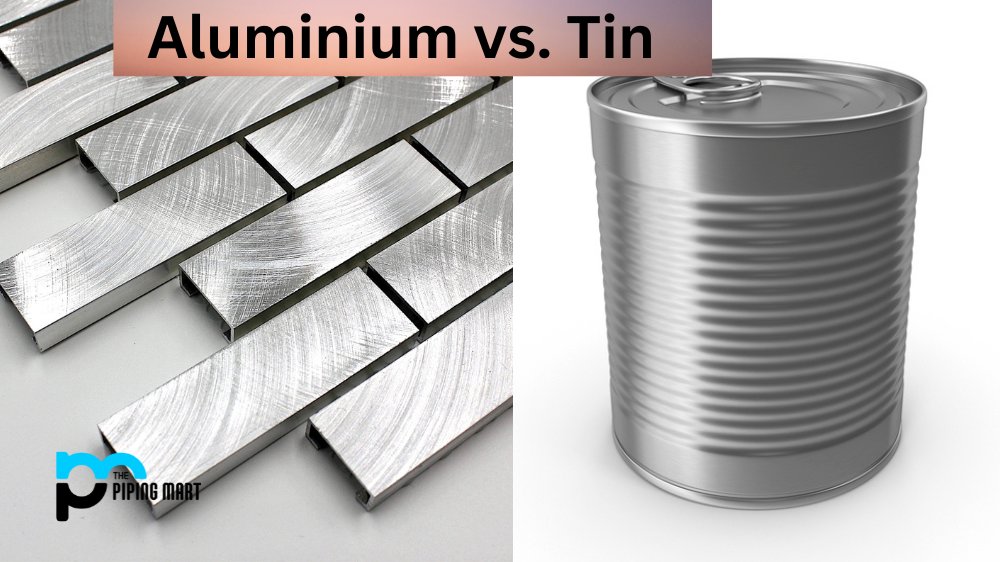
Now that you know the secret, how can you tell them apart in the wild? It’s surprisingly simple!
The easiest trick is to grab a magnet. An aluminum can will not stick to a magnet at all. It’s completely non-magnetic.
However, a traditional "tin can" (the steel kind with or without a tin coating) will stick firmly to a magnet. This is because steel, like iron, is magnetic.
So, next time you’re debating with a friend, pull out your trusty fridge magnet. You’ll instantly become the metal expert! It’s a simple, fun way to appreciate the different properties of these materials.
A Tale of Two Metals: Different Paths, Shared Purpose
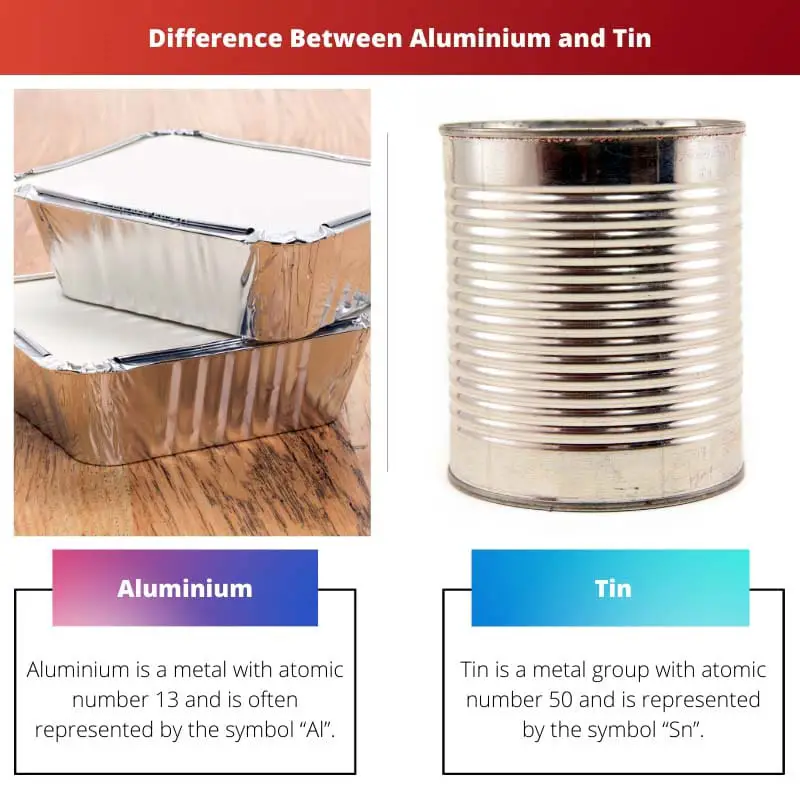
Ultimately, both aluminum and tin (and the steel they often partner with) play incredibly important roles in our daily lives. They both help keep our food fresh, our drinks cool, and our world moving.
Aluminum is the agile, endlessly recyclable modern hero, powering our beverages and countless other products with its lightness and strength. It's the material of today and tomorrow.
Tin, on the other hand, is the venerable elder, often misunderstood, whose historical contribution as a protective coating paved the way for modern food preservation. It continues its work in specialized applications, proving its quiet, steady value.
So, the next time you reach for a can, take a moment. Appreciate the material in your hand, whether it’s the light grace of aluminum or the magnetic resilience of steel with its tin legacy.
They might not be the same, but both tin and aluminum are truly marvelous elements, each with a unique story to tell. And now, you're in on the secret!