
Are There Different Types Or Uses Of Biomass
Okay, let's talk biomass. Now, I know what you're thinking: "Biomass? Sounds boring!" But trust me, it's surprisingly… versatile. And maybe even a little weird. Don't worry, we'll keep it light. I promise!
So, Is Biomass Just... Wood?
That's the first thing most people think, right? Wood. Logs crackling in a fireplace. A cozy cabin in the woods. Very Instagrammable. But guess what? Biomass is way more than just firewood.
Think of it like this: anything that used to be alive can probably be biomass. Plants, animals, even… your leftover pizza crust? (Okay, maybe not your pizza crust. But in theory!).
Must Read
The Usual Suspects: Solid Biomass
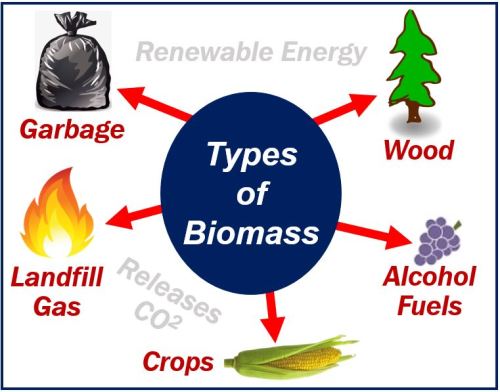
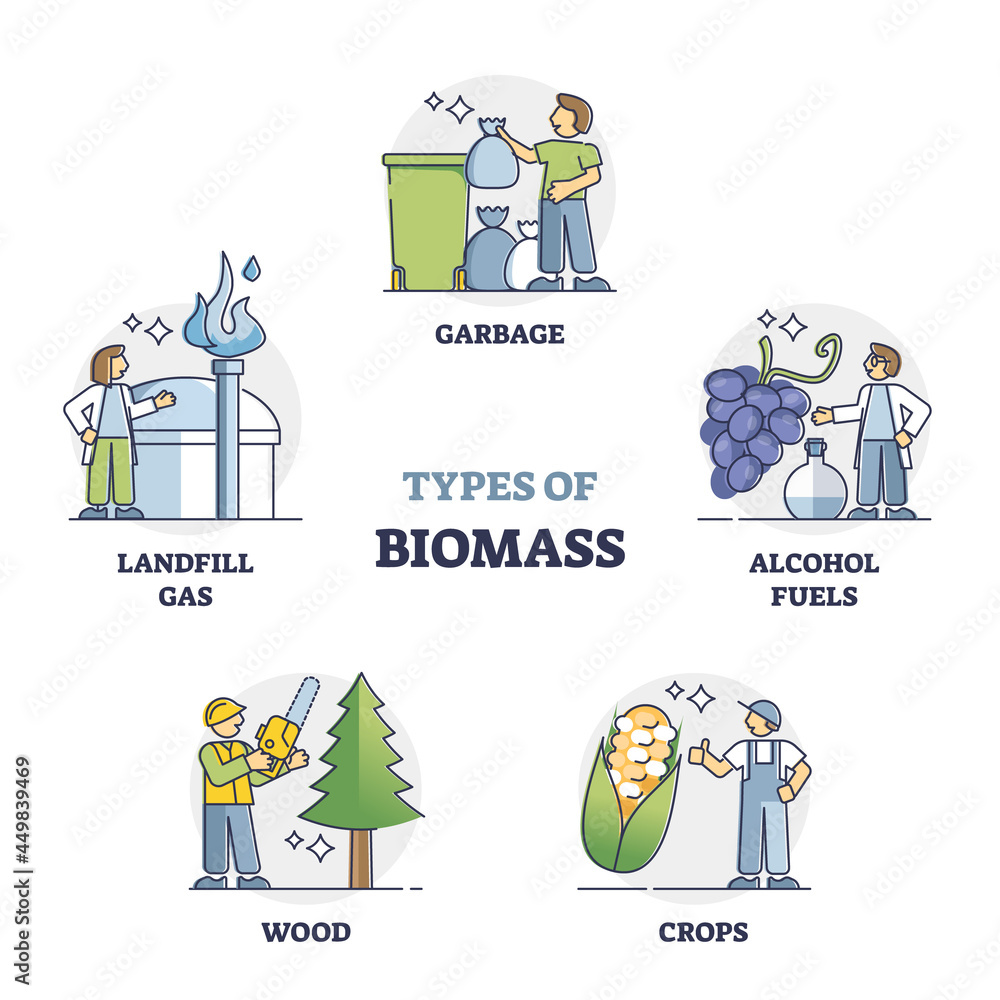
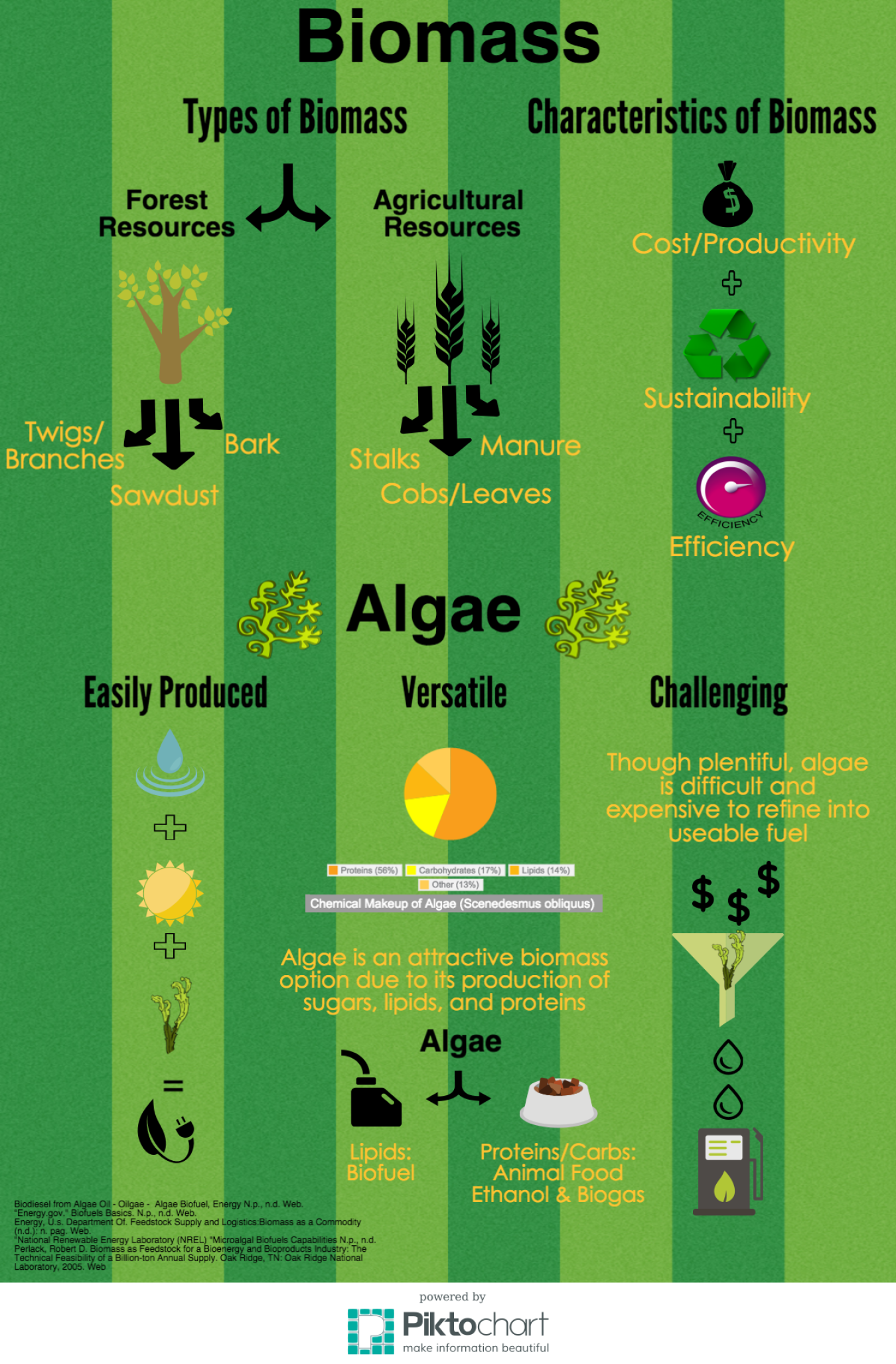
This is your classic, recognizable biomass. We're talking trees, obviously. Sawdust, wood chips, bark... anything leftover from the lumber industry. Basically, anything that can be burned.
Some people even burn agricultural waste. Think corn stalks, wheat straw, and peanut shells. Imagine your Thanksgiving leftovers powering your house. Now that's efficient!
Of course, burning stuff isn't always the cleanest option. Which brings us to… other types of biomass.
Liquid Gold (or, Um, Liquid Biomass)
This is where things get a little more interesting. Did you know you can turn biomass into liquid fuels? Think ethanol and biodiesel. It's like a science experiment, but with bigger consequences.
Ethanol, often made from corn, is a common gasoline additive. It helps our cars run a little cleaner (supposedly). Plus, it makes us feel slightly less guilty about driving gas guzzlers. Slightly.
Biodiesel, usually made from vegetable oils or animal fats, can power diesel engines. So, technically, you could be driving a car powered by old french fry oil. Delicious, right?
Gassy Biomass (No, Not That Kind)
Hold your nose! This involves decomposing organic matter. Specifically, anaerobic digestion. Fancy, huh? That basically means breaking down stuff without oxygen.

This process produces biogas, which is mostly methane. Methane is a potent greenhouse gas, so capturing it is a good thing. We can burn it to generate electricity, or even heat our homes.
Sewage treatment plants are big biogas producers. So, the next time you flush the toilet, remember that your waste might be powering someone's lights! It’s a circle of life kind of thing.
Biomass Uses: More Than Just Fuel
Okay, so we know biomass can be burned or turned into fuel. But what else can it do? Prepare to be (mildly) amazed!
Biomass can be used to make plastics. Bioplastics, to be exact. They're made from renewable resources, so they're theoretically more sustainable than traditional plastics.
But here's my unpopular opinion: bioplastics aren't always the answer. They can still end up in landfills, and some aren't even biodegradable. Greenwashing alert!
Biomass for Building: From Straw to Structures
Remember the Three Little Pigs? Straw houses aren't just for fairy tales. Straw bales can be used as building materials. They're cheap, sustainable, and surprisingly strong.
Hemp is another amazing building material. It's strong, durable, and grows quickly. Plus, it's naturally resistant to pests and mold. My dream house is basically a giant hemp bale.
Wood, of course, is the original biomass building material. From log cabins to skyscrapers, wood has been used for centuries. It's renewable, beautiful, and smells fantastic.
Biomass in Everyday Life: You're Already Using It!
Think about the paper you use. Or the cotton in your clothes. Or the wooden furniture in your house. You're surrounded by biomass! You probably didn't even realize it.
Even some cosmetics and pharmaceuticals contain biomass-derived ingredients. So, the next time you put on your makeup, thank a tree (or maybe a seaweed). You never know!
And let's not forget food! Fruits, vegetables, grains... all biomass. Delicious, nutritious biomass. Okay, I'm getting hungry.
The Future of Biomass: Hope or Hype?
Biomass has the potential to be a sustainable energy source. But it's not a silver bullet. There are challenges and trade-offs. It needs careful management.
We need to make sure we're not cutting down forests faster than they can regrow. And we need to be mindful of land use. Growing biomass crops shouldn't compete with food production.
Ultimately, the future of biomass depends on innovation, responsible practices, and a healthy dose of skepticism. Let's be real, biomass is no perfect but it is a good resource to consider.
My Unpopular Opinion: Biomass is a Tool, Not a Savior
Here's the thing: biomass is just one piece of the puzzle. We can't rely on it to solve all our energy problems. We need a mix of renewable energy sources, energy efficiency, and a fundamental shift in our consumption habits.
Thinking that biomass will save us all is naive. I think that using it responsibly is something that will help us as a society. Also, it is fun.
So, let's embrace biomass, but let's not get carried away. Let's use it wisely, thoughtfully, and with a healthy dose of humor. Now, if you'll excuse me, I'm going to go burn some pizza crust (just kidding!).
Wood Pellets: The Unsung Heroes
Let’s give some appreciation to wood pellets. These small, compressed cylinders of sawdust and wood shavings are gaining popularity. They're used for heating homes and businesses.
Why are they great? They offer consistent burn and low emissions. They are a more efficient and cleaner option than traditional firewood.
Plus, they're made from waste products. Turning something useless into a heating solution. That’s a win-win in my book.
Biochar: Black Gold for Soil
Have you heard of biochar? It's charcoal made from biomass. It's not just for grilling.
Biochar can be used to improve soil health. By adding it to soil, farmers improve water retention, increase nutrient availability, and even sequester carbon. A big plus for agriculture.
Think of it as a sponge for your garden. It soaks up water and nutrients, releasing them slowly to plants. Mother nature working at her best.
Algae: The Undersea Biomass Superstar
Let’s talk algae. These simple organisms pack a punch. They can be turned into biofuel and can be used in cosmetics and even food.

Why algae? It grows super fast, doesn’t require land, and can be grown in wastewater.
Imagine cars running on algae fuel. The future will be green. Or more accurately, algae-colored.
Switchgrass: Prairie Powerhouse
Switchgrass is another promising biomass crop. It's a native prairie grass. It's drought-resistant and requires minimal fertilizer.
Why switchgrass? It can be burned for electricity. It can be converted into biofuels.
This hardy plant will play an important role in energy production. It’s an example of biomass ingenuity.
Bagasse: Sugarcane Leftovers
Bagasse is the fibrous material left over after sugarcane is crushed to extract its juice. Instead of discarding it, it is burned for electricity.
Bagasse is a smart use of waste. Sugarcane factories use it as a renewable fuel source. It reduces reliance on fossil fuels.
It’s a sweet deal for the environment.