Are Solar Panels More Efficient In Cold Weather

Picture this: it's a crisp, sunny winter day. You're bundled up inside, sipping hot cocoa, while outside, your solar panels are quietly humming away, generating electricity. But wait a minute… are they actually working better in the cold? It sounds counterintuitive, right? That's why this topic is so darn intriguing! As more and more people embrace solar energy, understanding how temperature impacts their investment is super useful (and can even be a fun fact to drop at your next party!).
The purpose of this article is simple: to debunk the myth that solar panels magically become powerhouses in freezing temperatures. We'll break down the science in a way that's easy to understand and explain why, while cold weather can be beneficial, it's not the whole story. Understanding this allows you to make informed decisions about your solar setup and maximize its potential, no matter the season. The benefit? More efficient energy production and a happier, greener you!
So, let's get to the heart of it: solar panels operate using the photovoltaic effect. Sunlight hits the silicon cells in the panel, exciting electrons and creating an electric current. Now, here's the crucial bit: solar panels are actually more efficient at lower temperatures. Yes, you read that correctly! Heat can reduce the voltage output of a solar panel, meaning it generates less electricity. Think of it like a computer; it tends to run faster and smoother when it's cool.
Must Read
However, before you start dreaming of snow-covered panels churning out unbelievable amounts of energy, there's a catch! Solar panels need sunlight to work, and winter days are typically shorter and often cloudier than summer days. This decrease in sunlight often offsets the efficiency boost from the cold. In other words, while the panels themselves might be performing better, the overall energy production could still be lower compared to a sunny summer day.

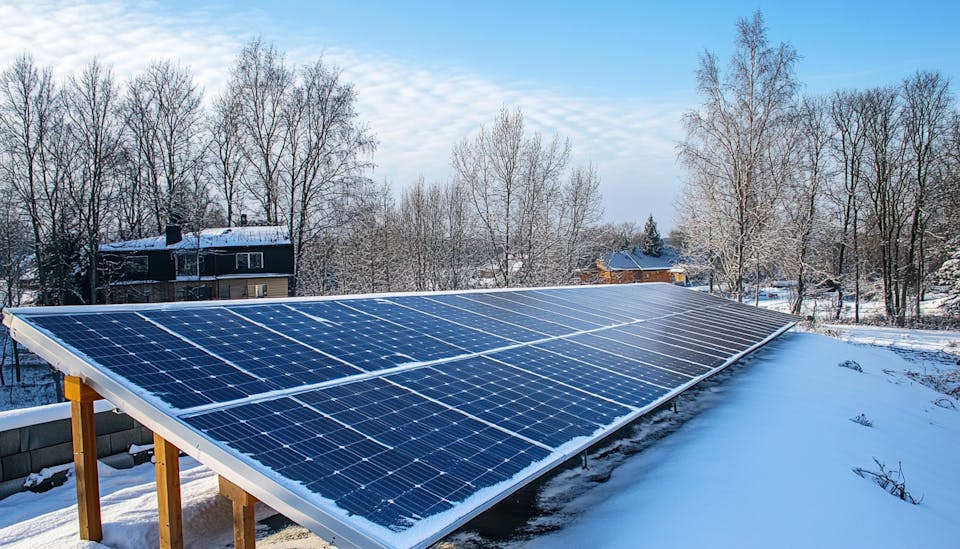
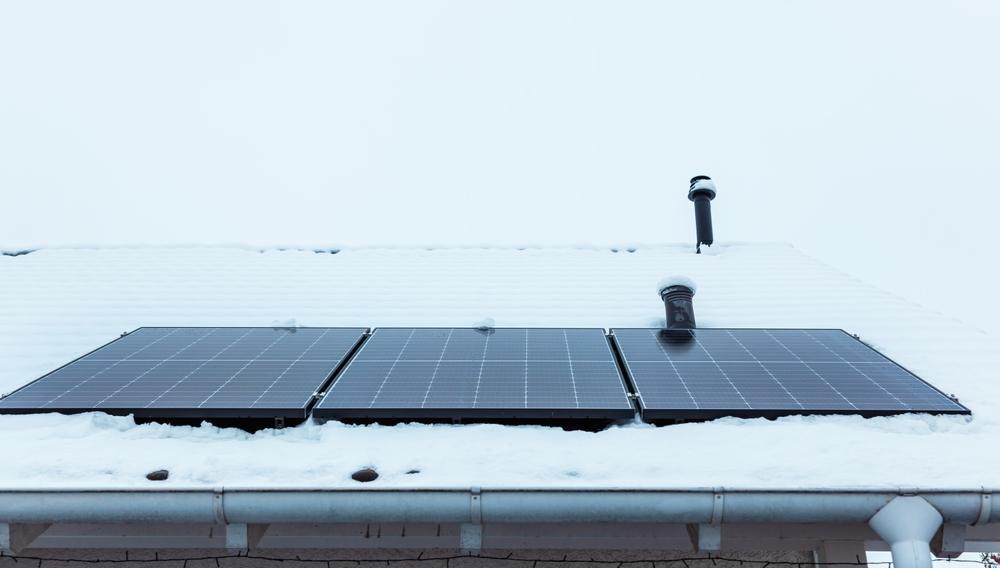
Another factor to consider is snow. If your solar panels are covered in snow, they won't be able to absorb sunlight at all, rendering them effectively useless. Regularly clearing snow from your panels can help maximize their winter performance. Also, the angle of the sun is lower in the winter. While this doesn't directly relate to panel temperature, it does affect the amount of sunlight hitting the panels. Ideally, your panels should be angled to best capture the available winter sun.
In conclusion, while colder temperatures can improve the efficiency of solar panels, it's just one piece of the puzzle. The amount of sunlight available, snow accumulation, and the angle of the sun all play a significant role in overall energy production. So, enjoy your cocoa on those crisp winter days, knowing your solar panels are doing their best, but don't expect them to suddenly become super-powered generators. Understanding these factors will help you optimize your solar energy system for year-round performance and make the most of your investment. Happy solar powering!