
Are Melatonin Gummies Safe For Dogs

So, Fido’s been bouncing off the walls lately? Maybe he’s scared of thunderstorms, or perhaps he just gets the zoomies at 3 AM. You might be eyeing those melatonin gummies on your nightstand, thinking, "Could this be the answer?"
Let's dive into whether those sweet, sleepy treats are safe for your furry best friend. Prepare for a wild ride of doggy doses and gummy goodness (or potential gummy grossness, depending on how this goes!).
Melatonin: The Sleepy Hormone Everyone's Talking About
Okay, first things first: what is melatonin? Simply put, it’s a natural hormone that helps regulate sleep. Your body makes it when it gets dark, signaling that it’s time to wind down. Think of it as your internal "lights out" crew.
Must Read
Humans pop melatonin supplements all the time to combat jet lag or just get a better night's sleep. But what about our canine companions?
The Good News: Melatonin Can Be Safe (But...)
The good news is that, in general, melatonin is considered relatively safe for dogs. Many vets even recommend it for certain conditions. This isn't a free pass to throw gummy parties, though!
It's crucial to understand the nuances and potential pitfalls. Think of it like giving your dog a bite of your burger: a tiny nibble might be fine, but the whole thing could lead to…well, let's just say digestive drama.
The "But..." Part: Not All Gummies Are Created Equal
Here's where things get tricky. Remember those yummy melatonin gummies we mentioned earlier? The ones that taste like a candy store explosion? Those are usually a big no-no for dogs!
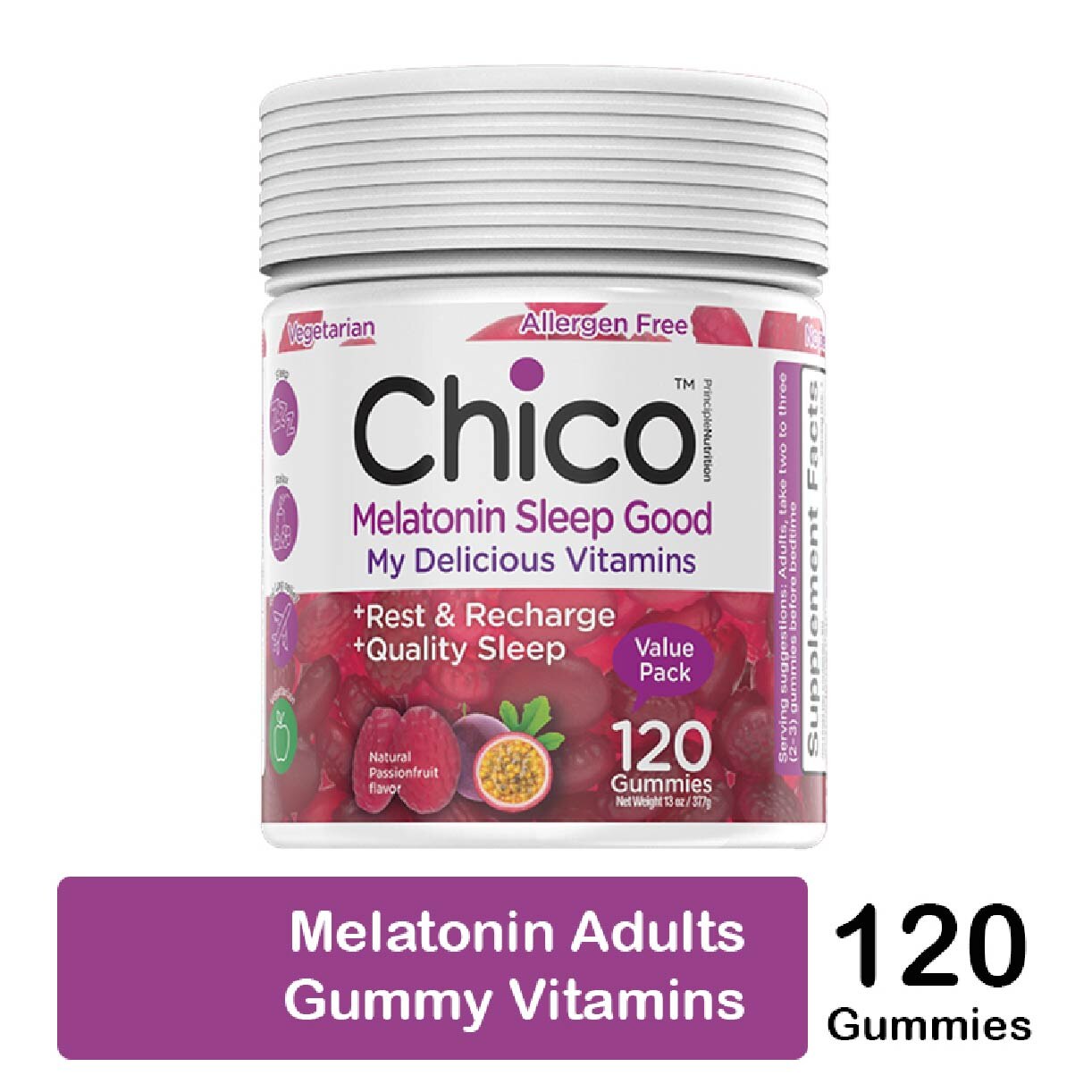
Why? Because they often contain ingredients that are harmful to dogs. Xylitol, a common sugar substitute, is a major offender. It's highly toxic to dogs, even in small amounts. Imagine your dog mistaking your melatonin gummy for a tasty treat and then having to rush to the vet. Nobody wants that!
Plus, many gummies contain artificial sweeteners, colors, and flavors that can upset your dog's stomach. So, basically, they're a recipe for canine chaos.
What About Pure Melatonin?
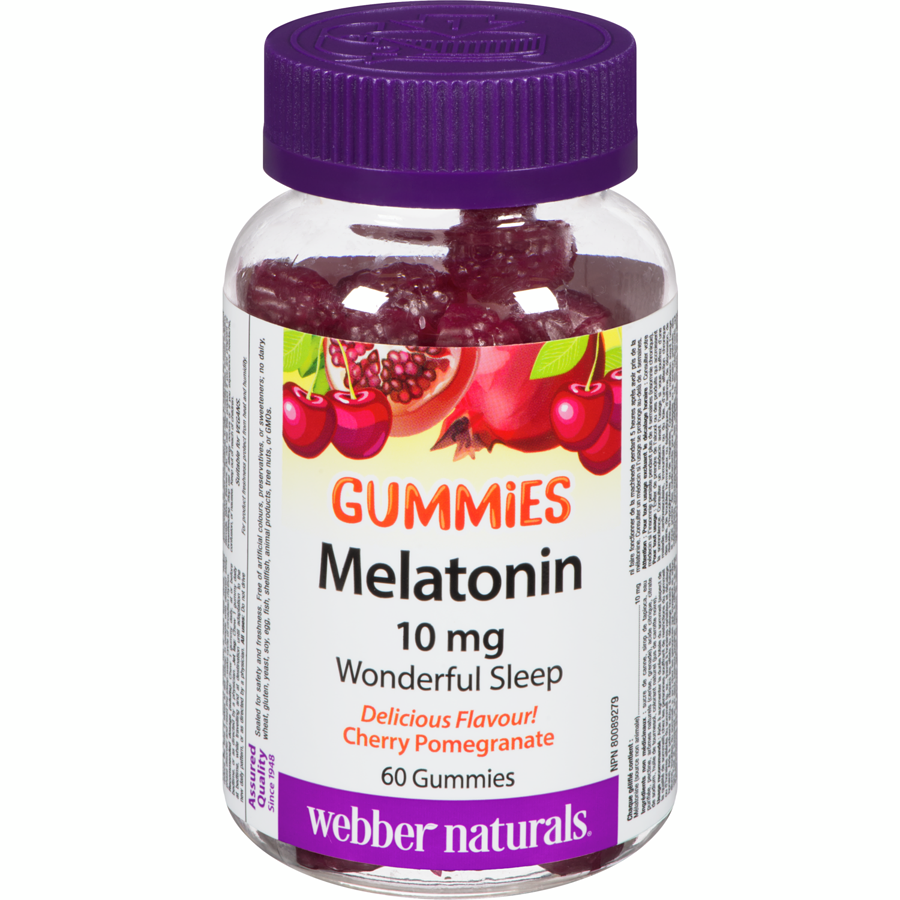
If you're considering giving your dog melatonin, you need to ditch the gummies and look for pure melatonin supplements. These usually come in tablet or liquid form. Think of it as the "adult" version of melatonin, without all the sugary bells and whistles.
Even then, you need to be extra careful. It’s all about the dosage.
Dosage: A Little Goes a Long Way
Figuring out the right melatonin dosage for your dog is crucial. Too much melatonin can cause side effects like excessive drowsiness, disorientation, and even increased heart rate in some cases. You don't want your energetic pup to turn into a drooling, sleepy puddle!
Generally, the recommended dosage is between 0.1 to 0.5 mg of melatonin per pound of body weight. For example, a 20-pound dog might need between 2 to 10 mg of melatonin. But seriously, talk to your vet!
When Is Melatonin Helpful?
Okay, so when is melatonin a good option for your dog? It's often used to help with anxiety, especially related to noise phobias like thunderstorms or fireworks. Imagine your dog hiding under the bed, trembling at every boom. Melatonin might help calm those nerves.
It can also be used to treat certain types of alopecia (hair loss) in dogs and to help regulate sleep cycles. Some vets even use it to help dogs adjust to new environments or routines. It can act as a chill pill for your pup.
When Not to Give Melatonin
Before you reach for the melatonin, there are a few situations where it's best to avoid it altogether. If your dog is pregnant or nursing, melatonin is generally not recommended.

Also, if your dog is already taking other medications, talk to your vet to make sure there are no potential interactions. You don't want to accidentally create a pharmaceutical party in your dog's system!
Some dogs may also be sensitive to melatonin, so it's always best to start with a low dose and monitor your dog closely for any adverse reactions. If your dog starts acting strangely, stop giving melatonin and call your vet ASAP.
The Golden Rule: Talk to Your Vet!
Seriously, this is the most important takeaway from this whole article: talk to your veterinarian before giving your dog melatonin. They can help you determine if melatonin is the right choice for your dog, recommend the correct dosage, and rule out any underlying medical conditions that might be causing your dog's symptoms.
Think of your vet as your dog's personal health guru. They're the experts, and they want what's best for your furry friend.

Alternatives to Melatonin
If melatonin isn't the right fit for your dog, there are other options to consider. There are calming treats and chews, anxiety vests, and even pheromone diffusers that can help reduce stress and anxiety in dogs. It's all about finding what works best for your individual pup.
Sometimes, simple changes to your dog's routine can also make a big difference. Regular exercise, a consistent schedule, and plenty of mental stimulation can help reduce anxiety and promote better sleep. A tired dog is a happy dog (and a quiet dog!).
In Conclusion: Gummies, No. Informed Decisions, Yes!
So, are melatonin gummies safe for dogs? The answer is a resounding NO! Steer clear of those sugary temptations and opt for pure melatonin supplements if your vet recommends them.
Remember, every dog is different, and what works for one dog may not work for another. It's all about being informed, making smart choices, and working with your vet to find the best solution for your furry companion. Now go give your pup a good scratch behind the ears (and maybe hide those gummies a little better!).
And remember, a happy, well-rested dog means a happy, well-rested you! (And fewer 3 AM zoomies.)