
Are Life Line Screenings Worth It

Let's face it, who doesn't love the idea of a quick check-up? We're all about convenience, and the promise of uncovering potential health issues before they become major problems is definitely appealing. That's where Life Line Screenings come in – traveling health clinics offering a range of preventative screenings right in your community.
The core benefit of these screenings is early detection. They aim to identify risk factors for serious conditions like stroke, heart disease, and peripheral artery disease (PAD). The purpose is simple: find problems before they cause irreversible damage. Think of it like checking your car's oil level regularly. You're looking for potential issues to prevent a major breakdown down the road. These screenings can provide a snapshot of your vascular health, giving you and your doctor valuable information to work with.
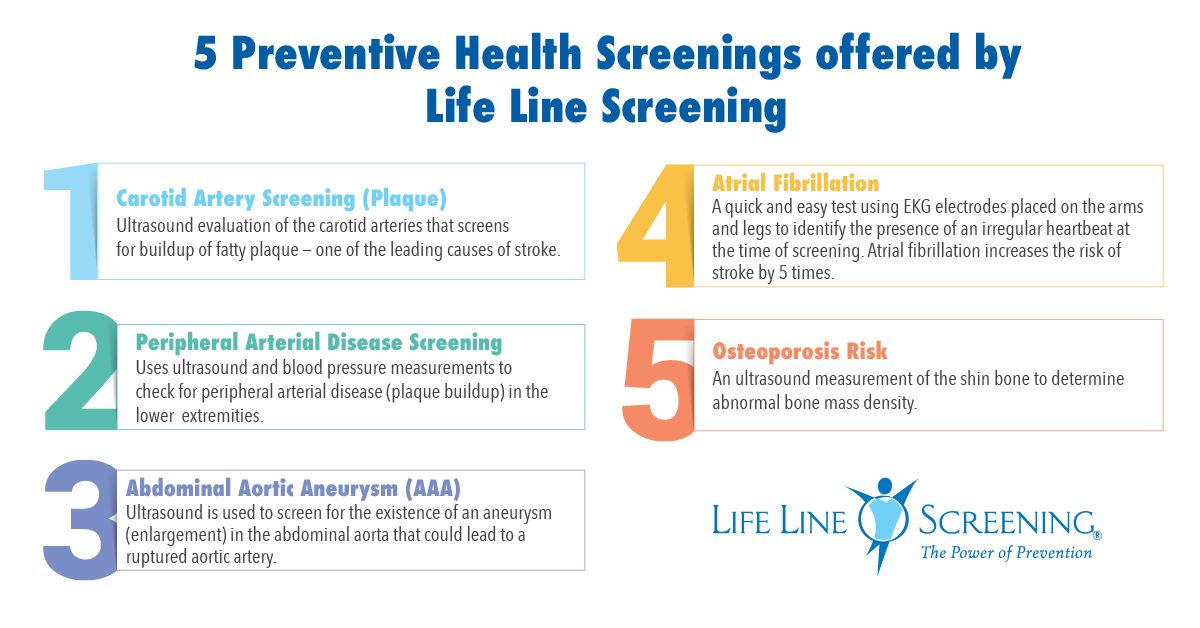
Common Life Line Screening packages often include ultrasound screenings for carotid artery disease (plaque build-up in the arteries that supply blood to the brain), abdominal aortic aneurysm (a bulge in the aorta, the main artery that carries blood from the heart), and peripheral arterial disease (narrowing of arteries in the legs and feet). They might also offer screenings for osteoporosis (bone density) or atrial fibrillation (an irregular heartbeat). You've probably seen them advertised in community newsletters, senior centers, or even on local TV. The appeal is clear: these screenings are generally affordable and easily accessible, saving you the time and hassle of scheduling individual appointments with specialists.
Must Read
However, it's crucial to approach Life Line Screenings with a healthy dose of informed skepticism. While early detection is undoubtedly beneficial, it's important to understand the limitations. These screenings are not a substitute for regular check-ups with your primary care physician. Your doctor has a comprehensive understanding of your medical history, risk factors, and overall health, and can provide personalized advice and treatment plans.
So, how can you make the most of a Life Line Screening, if you choose to participate? Here are a few practical tips:
- Do your research: Understand what each screening tests for and its limitations. Read reviews and talk to your doctor beforehand.
- Discuss the results with your doctor: This is the most important step! Don't try to interpret the results on your own. Your doctor can put the findings into context and recommend appropriate follow-up care, if needed.
- Don't rely solely on these screenings: Maintain a healthy lifestyle, including regular exercise, a balanced diet, and avoiding smoking. Continue to see your doctor for routine check-ups and screenings.
- Be aware of potential false positives: Screening tests aren't perfect, and sometimes they can indicate a problem when none exists. This can lead to unnecessary anxiety and further testing.
Ultimately, the decision of whether or not to participate in Life Line Screenings is a personal one. By being informed, realistic, and proactive about your health, you can make the best choice for your individual needs and work towards a healthier future. Remember, prevention is key, but a comprehensive approach involving your doctor is always the best strategy.


