Are Energy Efficient Appliances Tax Deductible
Let's be honest, who doesn't love the feeling of saving money while also feeling good about helping the environment? Upgrading your appliances to energy-efficient models allows you to achieve both! From keeping your food fresh to washing your clothes efficiently, these modern marvels have become indispensable in our daily lives. But what if I told you that Uncle Sam might be willing to help you foot the bill through tax deductions? Let's dive into the world of energy-efficient appliances and see if you can snag some tax savings.
The rise of energy-efficient appliances stems from a collective desire to reduce our carbon footprint and lower our utility bills. These appliances are designed to use less energy while performing the same tasks as their older, less efficient counterparts. This benefits everyone: it helps conserve natural resources, reduces strain on the power grid, and puts more money back in your pocket. It's a win-win-win situation!
Common examples of energy-efficient appliances are all around us. Think about that shiny new Energy Star certified refrigerator keeping your groceries perfectly chilled while using a fraction of the electricity of your old fridge. Or perhaps that high-efficiency washing machine that gently cleans your clothes while conserving water. Other examples include dishwashers, air conditioners, water heaters, and even light bulbs. These appliances are often labeled with an Energy Star rating, a handy symbol indicating that they meet specific energy efficiency criteria set by the Environmental Protection Agency (EPA).
Must Read
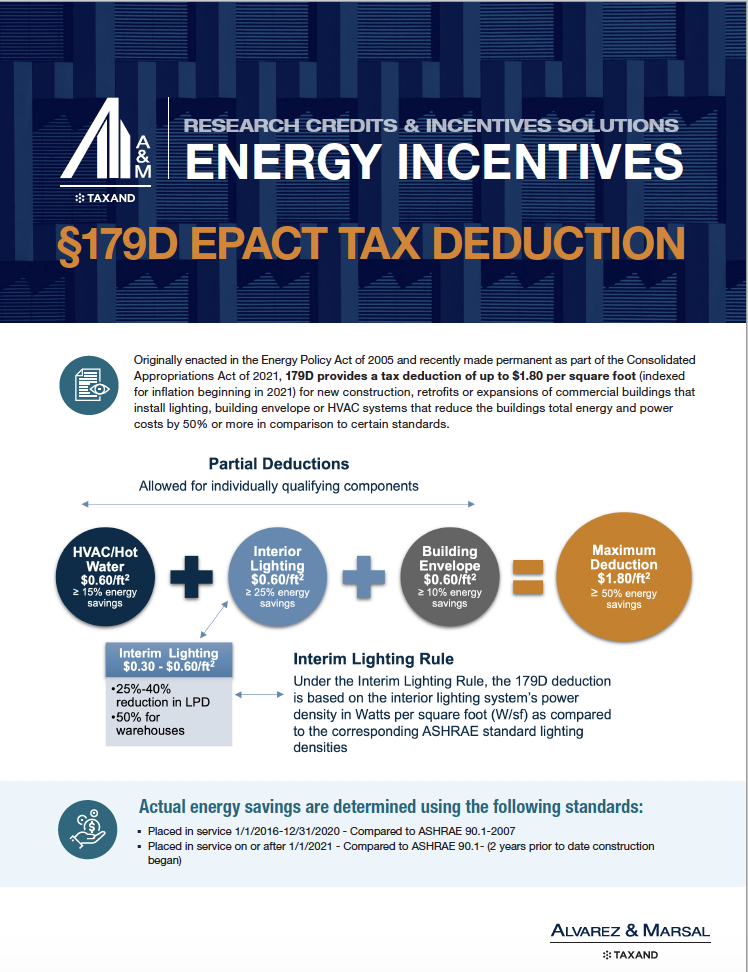
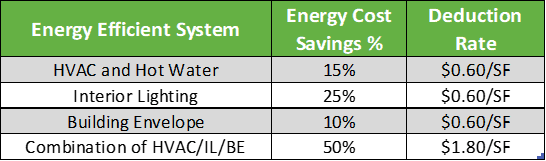
Now, the big question: are these energy-saving wonders tax deductible? The answer is a bit nuanced, and it depends on a few factors. Generally, there isn't a blanket tax deduction for simply purchasing an Energy Star appliance. However, certain tax credits and deductions may be available, especially when making specific energy-efficient improvements to your home.
For example, you might be eligible for a tax credit for installing certain qualified energy-efficient equipment, such as solar panels or a geothermal heat pump. These are considered home improvements and fall under specific tax incentive programs that are subject to change. It's crucial to consult with a tax professional or refer to the IRS website for the most up-to-date information and eligibility requirements.
![What Appliances Qualify for Energy Tax Credit? [2024 Guide]](https://www.aireserv.com/us/en-us/aire-serv/_assets/images/qualifying-energy-efficent-appliances.webp)
To enjoy the benefits of energy-efficient appliances more effectively, start by researching Energy Star certified models before making a purchase. Consider the long-term savings in energy costs versus the initial investment. Also, remember to properly maintain your appliances to ensure optimal performance. Clean your refrigerator coils regularly, descale your dishwasher, and change your air filters as recommended. These simple actions can extend the lifespan of your appliances and maximize their energy efficiency.
Finally, keep detailed records of your purchases and any associated installation costs. If you believe you qualify for a tax credit or deduction, this documentation will be essential when filing your taxes. Remember, claiming a deduction or credit improperly could lead to penalties, so always err on the side of caution and seek professional advice. By taking these steps, you can enjoy the benefits of energy-efficient appliances while potentially saving even more money through tax incentives. Happy saving!