Arctic Wildlife Refuge Oil Drilling Pros Cons

Ever feel like understanding the world is like piecing together a giant puzzle? Sometimes, the most interesting pieces are the ones that spark debate and challenge our perspectives. Today, we're diving into one such piece: oil drilling in the Arctic National Wildlife Refuge (ANWR). It's a topic loaded with strong opinions, environmental considerations, and economic implications, making it a fascinating case study for understanding complex issues.
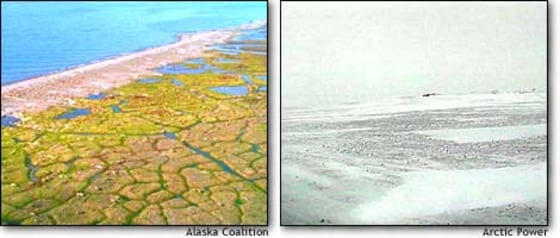
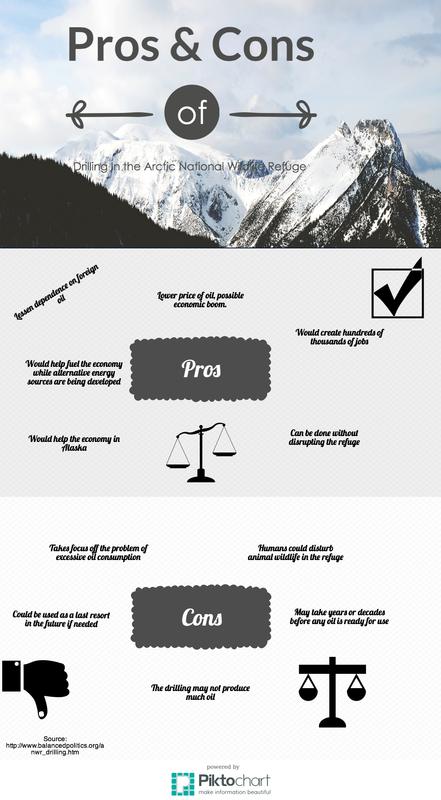
So, what's the ANWR all about? Imagine a vast, pristine landscape in northeastern Alaska, teeming with wildlife. This is the Arctic National Wildlife Refuge, a 19.6-million-acre area established to preserve its unique natural resources. The debate revolves around a specific section called the 1002 Area, believed to hold significant oil reserves. The argument for drilling boils down to one central point: energy independence and economic benefits. Proponents suggest that tapping into these reserves would reduce our reliance on foreign oil, create jobs, and generate revenue for the government. Think of it as unlocking a natural resource that could potentially fuel our economy and strengthen our national security.
The supposed benefits extend beyond the purely economic. Supporters argue that modern drilling techniques are far more advanced and environmentally sensitive than in the past. They emphasize the potential for minimal impact on the surrounding ecosystem, suggesting that development can coexist with conservation. Furthermore, the revenue generated could be used to fund renewable energy initiatives or other conservation efforts, potentially offsetting any environmental damage. In essence, it's presented as a calculated trade-off: utilizing a resource to secure our energy future while minimizing harm.
Must Read
However, the cons are equally compelling. Opponents argue that drilling in the ANWR poses a significant threat to its delicate ecosystem. This region is a vital habitat for numerous species, including the Porcupine caribou herd, polar bears, migratory birds, and arctic foxes. The disturbance caused by construction, drilling operations, and potential oil spills could have devastating consequences for these animals and their habitats. Consider the potential for disruption during calving season for the caribou, or the impact of oil spills on the fragile tundra environment.

Moreover, the environmental impact isn't limited to the immediate drilling site. The extraction and burning of fossil fuels contribute to climate change, which disproportionately affects the Arctic region. The melting of permafrost, rising sea levels, and changes in weather patterns are already impacting Arctic communities and ecosystems. Drilling in the ANWR would exacerbate these issues, accelerating the very problems that threaten the region's long-term sustainability. The argument here focuses on the long-term environmental costs versus the short-term economic gains.
So, how can you explore this topic further? Start by researching the arguments from both sides. Explore websites from organizations like the U.S. Geological Survey, the Bureau of Land Management, and environmental advocacy groups like the National Audubon Society and the Sierra Club. Read articles and reports from reputable news sources to gain a balanced perspective. Discuss the issue with friends and family, even if you disagree. Engage in civil discourse and consider different viewpoints. You can even explore interactive maps and simulations online that illustrate the potential impacts of drilling in the ANWR. The key is to approach the topic with an open mind and a willingness to learn.