
Application Of Heat Exchanger In Food Industry
Hey there, food fanatic! Ever wondered how your favorite snacks get made? I mean, beyond the obvious "factory elves and magic" explanation?
Well, prepare to have your mind (and your appetite) stimulated, because we're diving deep into the wonderfully weird world of heat exchangers in the food industry! Yeah, I know, sounds thrilling, right?
So, What's the Big Deal with Heat Exchangers?
Okay, picture this: You're making soup. You need to cook it, right? You apply heat! But sometimes you need to cool it down quickly to stop it from overcooking or to prepare it for packaging. That's where heat exchangers strut their stuff. They’re like the ultimate temperature regulators of the food world.
Must Read
Basically, a heat exchanger is a clever contraption designed to transfer heat from one fluid (like hot soup) to another (like cold water) without them actually mixing. Think of it like a super-efficient, food-safe middleman in a temperature tango.
Quirky Fact Alert! Did you know that some heat exchangers are so efficient, they can recover up to 95% of the heat? Talk about being eco-friendly and delicious!
Where Do You Find These Magical Machines?
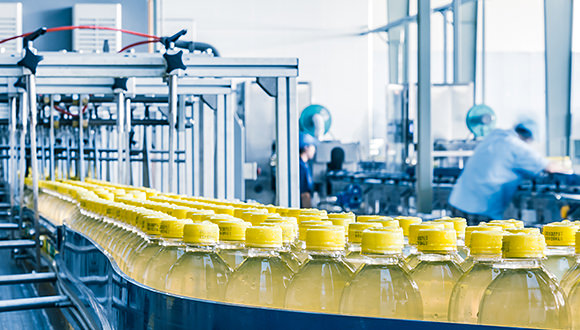
Everywhere! Seriously, they're lurking in every corner of the food processing universe. Think about your morning OJ. Pasteurizing it requires heating it up to kill the nasties, then rapidly cooling it down. Thank you, heat exchanger!
Got a hankering for ice cream? The milk used needs to be pasteurized (again, those pesky microbes!) and then cooled before churning. You guessed it: heat exchangers at work.
Even your favorite canned veggies wouldn't be possible without them. Sterilizing food in cans involves heating to high temperatures to kill bacteria, then chilling it rapidly to prevent spoilage. Heat exchangers are the silent heroes ensuring your green beans are safe to eat.
Funny Detail! Imagine being a heat exchanger. All day, every day, just shuffling heat around. "Hot, hot, hot! Okay, now cold! Hot again! Nope, just kidding, COLD!" Sounds kinda…exhausting?
Types of Heat Exchangers: A Flavorful Variety
Just like there are countless types of food, there are different types of heat exchangers, each with its own unique personality (and efficiency level).
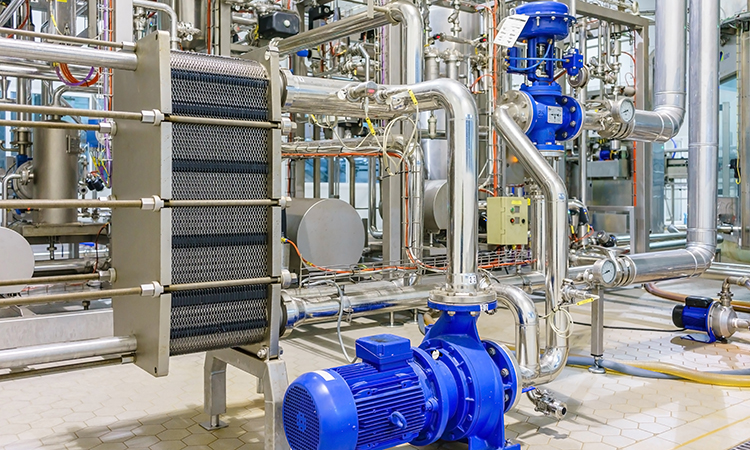
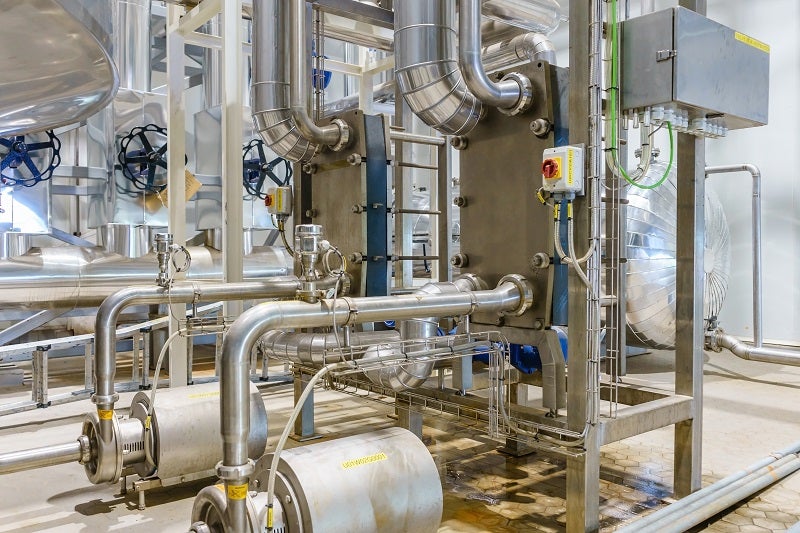
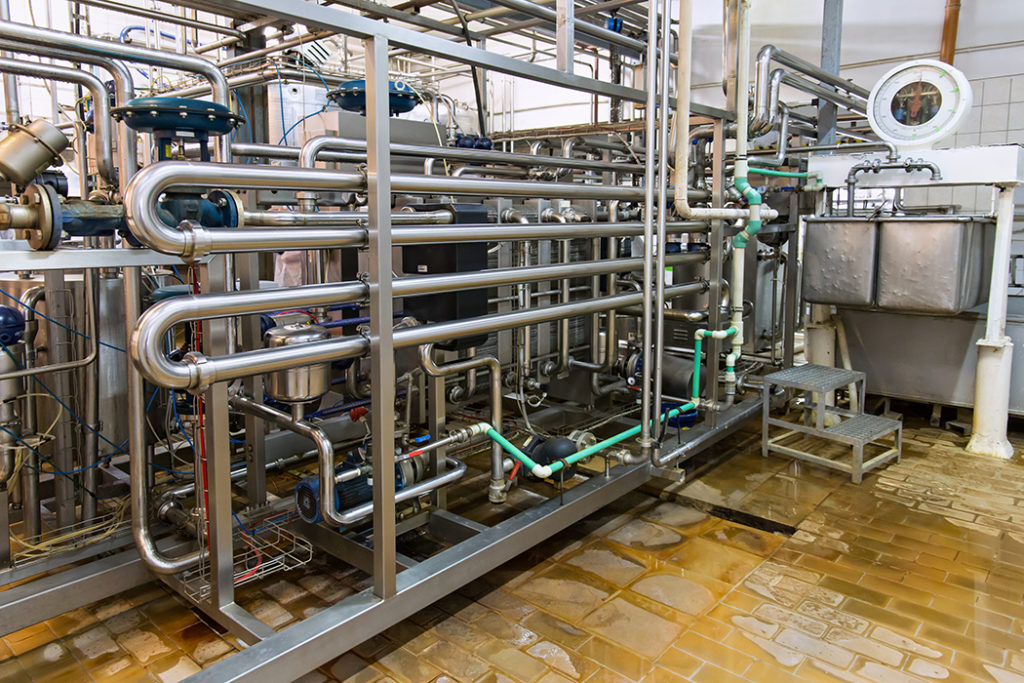
- Plate Heat Exchangers: These are the rockstars of the industry. Compact, efficient, and easy to clean. They're like the little black dresses of heat exchangers - always a good choice.
- Shell and Tube Heat Exchangers: The old-school veterans. Robust and reliable, they can handle high pressures and temperatures. They’re the workhorses, the classic cars of the exchanger world.
- Scraped Surface Heat Exchangers: Perfect for viscous or sticky stuff like peanut butter or tomato paste. They have blades that continuously scrape the surface to prevent buildup and ensure even heating or cooling. Imagine a tiny, robotic chef constantly stirring your food!
Visual Spacing Is Key! Seriously, a wall of text is scary. Let's keep things light and breezy, shall we?
Why Are They So Important?
Beyond the obvious (keeping your food safe and delicious), heat exchangers play a crucial role in:
- Food Safety: Eliminating harmful bacteria and extending shelf life. No one wants a science experiment in their fridge.
- Efficiency: Saving energy and reducing production costs. Happy manufacturers, happy you (because cheaper snacks!).
- Product Quality: Preserving the flavor, texture, and nutritional value of food. Nobody likes mushy peas, right?
Bold Statement! Without heat exchangers, the modern food industry would be…well, a lot less modern (and a lot more risky).
The Future is Hot (and Cold!)
The future of heat exchangers in the food industry is looking bright (and thermally efficient!). Innovations are focusing on:
- Improved efficiency: Reducing energy consumption even further.
- Better cleaning methods: Ensuring the highest standards of hygiene.
- More compact designs: Fitting more processing power into smaller spaces.
So, the next time you grab a carton of milk, a jar of salsa, or a bag of frozen peas, take a moment to appreciate the unsung heroes of the food industry: the heat exchangers. They're working tirelessly behind the scenes to make sure your food is safe, delicious, and ready to enjoy. And isn’t that just… neat?
Final Thought! Now you can impress all your friends with your newfound knowledge of heat exchangers. "Did you know that..." is a great conversation starter, trust me.