Antimicrobial Chemicals Can Exist In What Physical States

Ever wondered how we keep things squeaky clean and germ-free? The answer often lies in antimicrobials, those invisible superheroes working tirelessly behind the scenes. But what you might not know is that these sanitizing agents aren't just liquids in spray bottles! They can exist in a fascinating array of physical states, offering creative possibilities you might never have considered.
For artists, hobbyists, and anyone who enjoys a bit of DIY, understanding the different forms of antimicrobials can unlock a whole new world of projects. Think about it: protecting your creations, your tools, and even your workspace from unwanted microbial growth. This opens doors to preserving delicate artwork, extending the life of handmade goods, and simply maintaining a healthier, more hygienic environment for your hobbies.
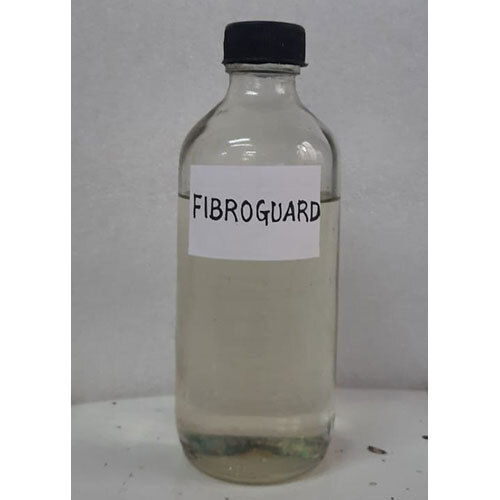
So, what are these intriguing states? Let's dive in! Of course, there's the familiar liquid form – think hand sanitizers, disinfectant sprays, and even some cleaning solutions used for prepping surfaces before painting or crafting. Then we have solids. Imagine antimicrobial-infused plastics used to create self-sanitizing door handles or cutting boards. Some cutting boards now use silver ion technology in their plastic make up to keep bacteria from spreading. Don't forget about gases! Ozone generators, for instance, can be used to disinfect enclosed spaces (though caution is advised when using them!). Even specialized foams can deliver targeted antimicrobial action in hard-to-reach areas. Thinking even more creatively, some companies are even exploring the use of antimicrobial coatings that are applied like paint to surfaces, providing a long-lasting shield against germs.
Must Read
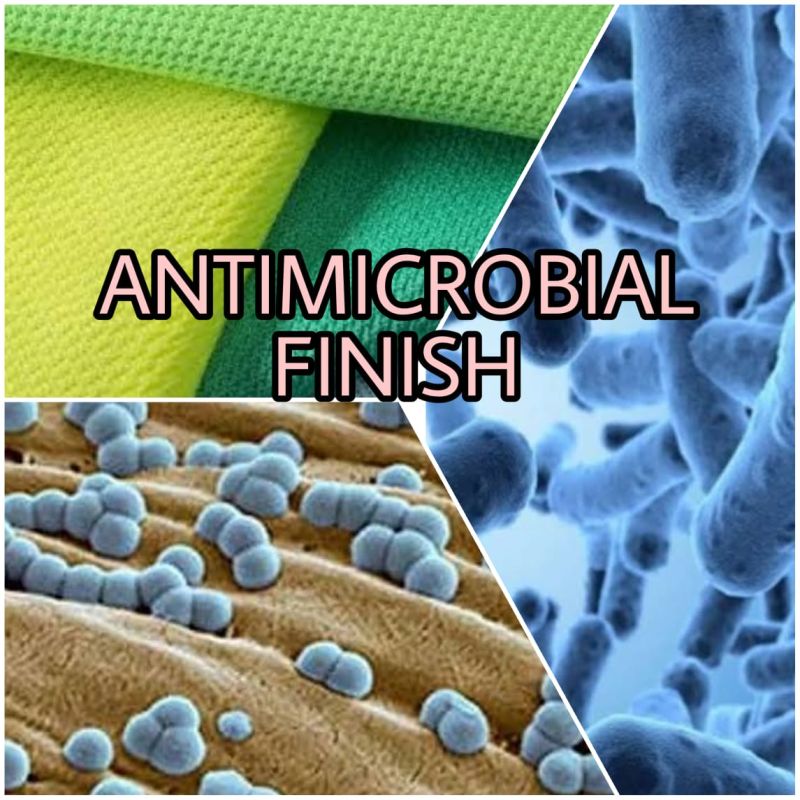
The variations in antimicrobial application is as broad as the products that need them. Medical instruments make good use of antimicrobial coatings to reduce the risk of infection. Food packaging often incorporates antimicrobial agents to extend the shelf life of products. And think of the construction industry using antimicrobial additives in paints and coatings to prevent mold and mildew growth, while HVAC systems often have antimicrobial filters to improve indoor air quality.
Want to experiment at home? Start small! Simple antimicrobial wipes are readily available and can be used to clean art supplies like paintbrushes or clay tools. You can also find antimicrobial additives for paints, which could be perfect for murals or projects in damp environments. When working with any antimicrobial product, always read the label carefully and follow the manufacturer's instructions. Ventilation is key, and wearing gloves can help protect your skin. A little research will go a long way.
Ultimately, understanding the physical states of antimicrobials isn't just about science; it's about empowering yourself with knowledge to create, protect, and enjoy your passions with greater confidence. It's fascinating to realize the power we have at our fingertips, and it's incredibly satisfying to know we're taking steps to maintain a cleaner, healthier, and more creative world, one project at a time. The joy comes from learning something new and applying it in a practical and meaningful way.