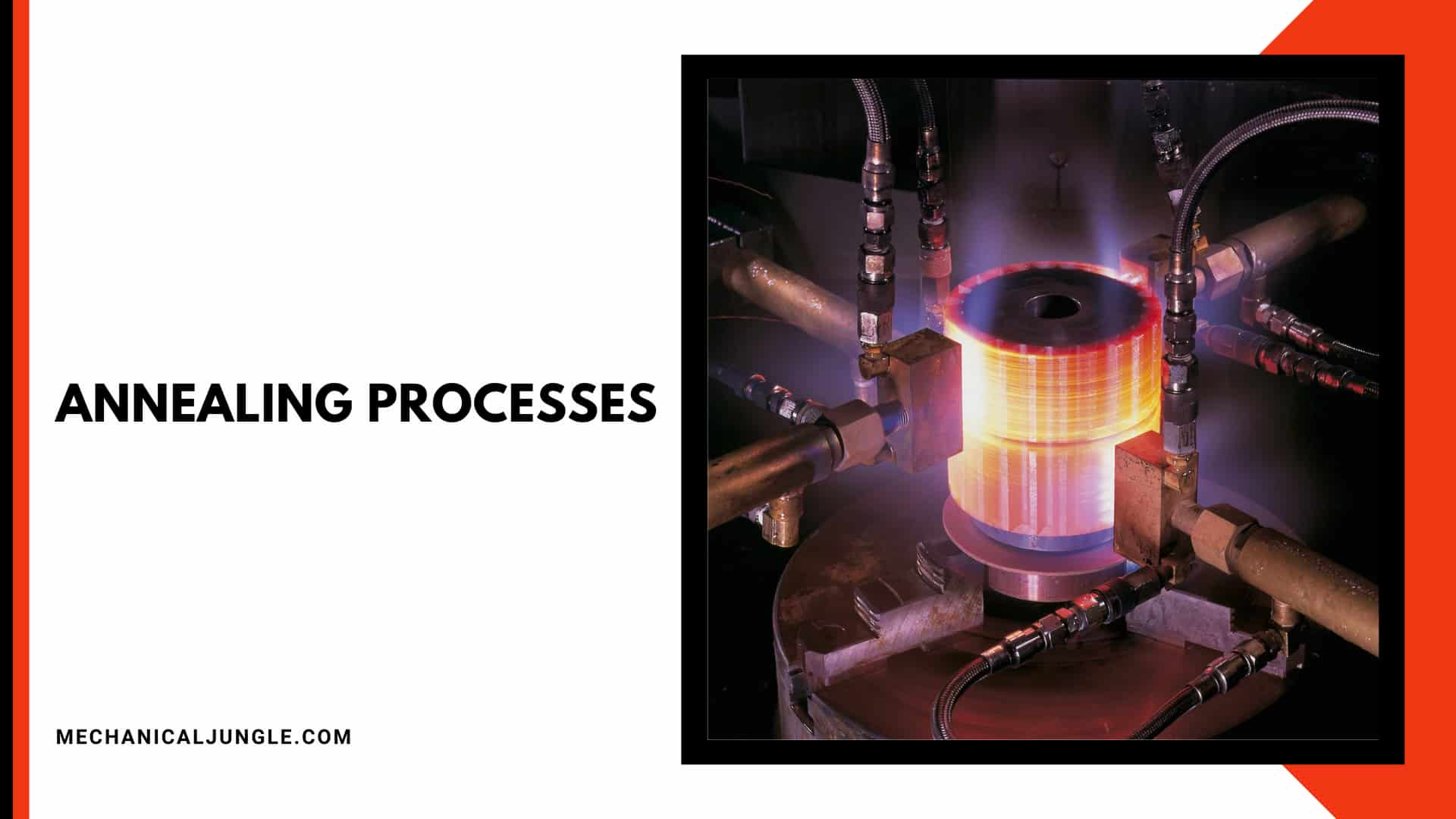
Annealing Is A Process By Which Steel Is Reheated
Okay, picture this: you're crafting the perfect sourdough loaf. The dough is stubborn, fighting against your shaping attempts. You need to relax it, make it more pliable. What do you do? You let it rest, right? Well, in the world of metalworking, annealing is kind of like that rest. It's a heat treatment for steel (and other metals) that's all about easing the tension and making life easier.
What Exactly Is Annealing?
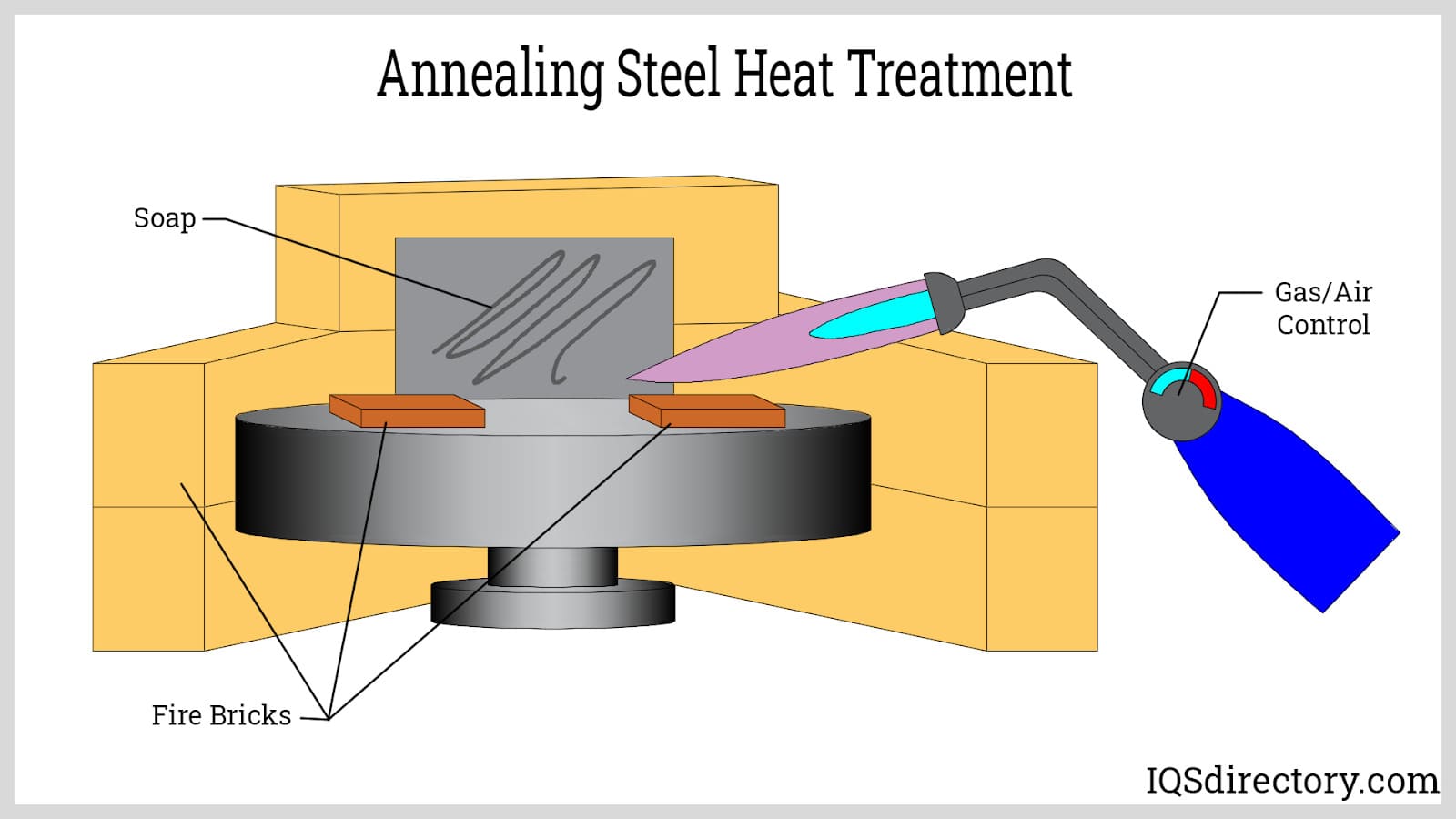
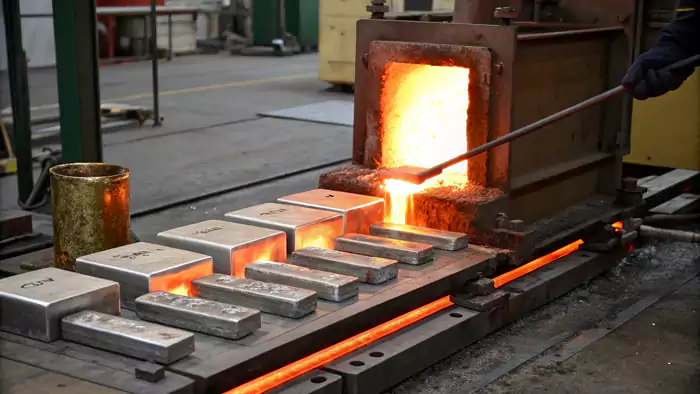
Simply put, annealing is a process where steel is heated to a specific temperature, held there for a period, and then cooled down slowly. Think of it as a spa day for your metal. It's about resetting the steel's internal structure. Why do we do this? Because cold working (like bending, hammering, or drawing) makes the steel hard and brittle, increasing internal stresses. Imagine bending a paperclip back and forth – eventually, it snaps. Annealing prevents that metal fatigue.
The process involves three key stages:
Must Read
- Heating: The steel is heated to a temperature above its upper critical temperature (the specific temperature varies based on the type of steel).
- Soaking: The steel is held at that temperature for a predetermined time. This allows the steel's crystalline structure to fully transform into austenite (a specific phase of steel).
- Cooling: The steel is cooled slowly. This is the crucial step. Controlled cooling prevents rapid hardening and allows the steel to return to a softer, more workable state. Common cooling methods include furnace cooling or air cooling, depending on the desired properties.
Why Bother? Benefits of Annealing
So, why go through all this trouble? Well, annealing offers a treasure trove of benefits. Think of it as the ultimate metal makeover.
- Increased Ductility: The steel becomes more malleable and easier to form without cracking.
- Reduced Hardness: Makes the steel easier to machine, cut, and shape.
- Improved Machinability: Tools last longer, and the resulting surface finish is better.
- Relieved Internal Stresses: Prevents cracking and distortion during subsequent processing.
- Enhanced Magnetic Properties: In some cases, annealing can improve the magnetic permeability of steel.
Imagine you're building a custom motorcycle. You'd need to bend and shape steel tubing to create the frame. Annealing ensures that the steel doesn't crack or fail during the process, resulting in a strong and reliable ride. Without it, you might end up with something more akin to a unicycle made of hopes and dreams.
Types of Annealing: A Quick Rundown
Just like there are different types of yoga, there are different types of annealing. Here are a few common ones:
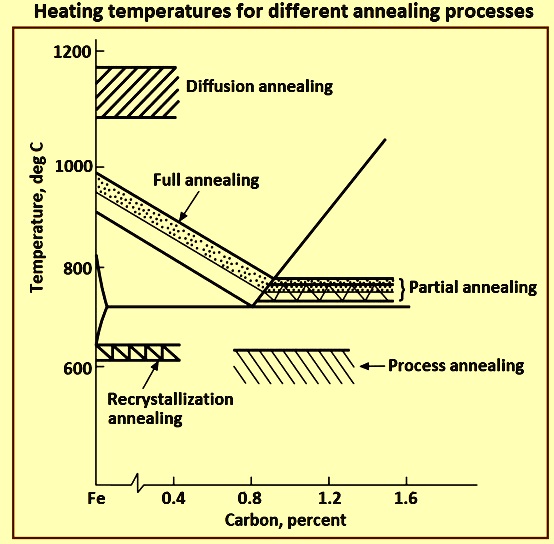
- Full Annealing: Heating above the critical temperature, soaking, and then slow furnace cooling. Provides maximum softness and ductility.
- Process Annealing: Used to relieve stresses induced by cold working, without drastically affecting the hardness.
- Stress Relief Annealing: Heating to a lower temperature, below the critical temperature, to relieve residual stresses.
- Spheroidize Annealing: Creates a spheroidal (round) microstructure, improving machinability, especially in high-carbon steels.
Annealing in Popular Culture (Sort Of)
Okay, you probably won't find annealing mentioned in the latest Netflix binge, but it does subtly touch our lives. Think of the steel used in cars, appliances, and even the intricate movements of a high-end watch. Annealing plays a crucial role in creating these products, ensuring their durability and performance. Even the forging of a samurai sword, though steeped in tradition, involves careful heat treatment principles similar to annealing.
Practical Tips and Considerations
- Temperature Control is Key: Accurate temperature control is crucial for achieving the desired results.
- Soaking Time Matters: Insufficient soaking time can lead to incomplete transformation of the steel's microstructure.
- Cooling Rate is Critical: The cooling rate determines the final hardness and ductility of the steel.
- Consult a Metallurgist: For complex applications, it's always best to consult with a metallurgist to determine the optimal annealing parameters.
Want to try a little home experiment? Probably not advisable with steel! But think about cooking beans. Soaking them overnight is similar to annealing – it softens them, making them easier to cook and digest. It's all about controlled transformation.
Reflection: Finding the Calm in the Chaos
Annealing, at its core, is about finding balance. It's about releasing stress and creating a more harmonious state. It's a reminder that sometimes, we need to slow down, take a breath, and allow ourselves to be reshaped. Just like steel benefits from being heated and slowly cooled, we too can benefit from periods of rest and reflection. So, next time you're feeling overwhelmed, remember the principle of annealing: Sometimes, you need to get fired up to become stronger and more resilient.