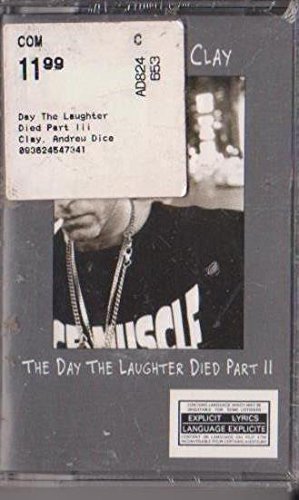
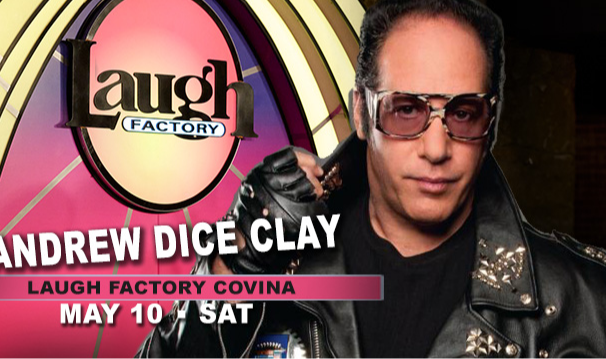
Andrew Dice Clay The Day The Laughter Died Part 2
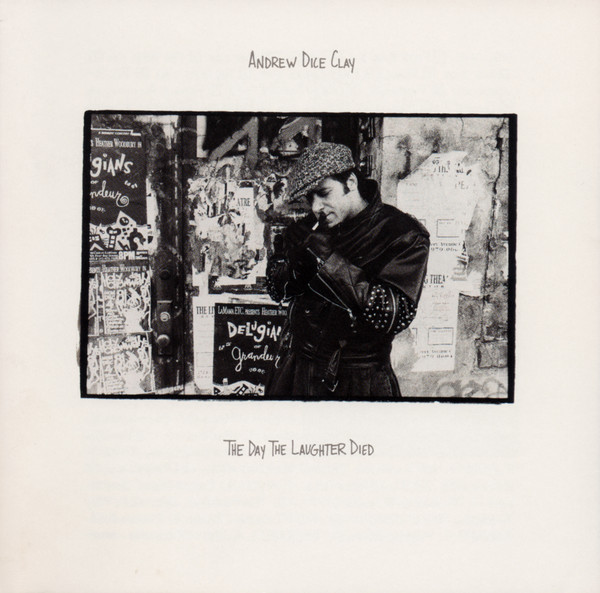
Ready for a dose of controversial comedy and a peek behind the velvet rope of fame? Then buckle up, because we’re diving headfirst into the fascinating, and often debated, world of Andrew Dice Clay and his infamous “The Day The Laughter Died Part 2.” Whether you love him, hate him, or are just plain curious, there’s no denying Dice Man’s impact on the comedy landscape. Exploring this particular special is a rollercoaster ride of humor, shock value, and a look at how comedy pushes boundaries (or sometimes crashes right through them!).
So, why should you care about a comedy special from, well, a while ago? Because “The Day The Laughter Died Part 2” isn't just a collection of jokes. It's a cultural artifact. It gives us a window into a specific time in comedy, a time when the lines between edgy and offensive were often blurred. It allows us to understand how audience expectations have evolved and how comedians navigate the ever-changing sensitivities of modern audiences. Think of it as a comedy time capsule – sometimes hilarious, sometimes cringe-worthy, but always interesting.
The primary benefit of revisiting something like this is context. Understanding where comedy has been helps us appreciate where it is now. Examining the criticism leveled at Clay for his sexist, homophobic, and generally offensive material gives us a clearer understanding of why certain jokes are no longer acceptable (or at least, highly debated). It also prompts a conversation about the comedian's role: are they simply entertainers, or do they have a social responsibility? Should they be able to say anything, regardless of the impact?
Must Read
“The Day The Laughter Died Part 2” is essentially a follow-up to Clay’s earlier, similarly controversial special. Expect the same larger-than-life persona, the same foul-mouthed nursery rhymes, and the same unapologetic attitude that made him a household name (and a target for many). He riffs on sex, relationships, and societal norms, all delivered with his trademark swagger and a healthy dose of self-awareness. The special aimed to capitalize on his already established, often outrageous, stage presence. The benefit to fans was more of the same – raw, unfiltered comedy that pushed the limits.

But the landscape of comedy has dramatically shifted. What was considered shocking in the late 80s and early 90s might be considered simply unacceptable today. Revisiting Clay's work isn't necessarily about endorsing it; it's about analyzing it, understanding its impact, and using it as a touchstone for discussions about free speech, offensive humor, and the evolution of comedic sensibilities. It's a chance to ask ourselves: where is the line? Who gets to draw it? And has Andrew Dice Clay inadvertently become a case study in comedic evolution?
So, if you’re looking for a fascinating (and potentially uncomfortable) journey into the past of comedy, consider giving "The Day The Laughter Died Part 2" a watch. Just be prepared to engage with it critically and remember that laughter, like everything else, evolves with time. It’s a reminder that comedy, at its best, can challenge us, make us think, and even make us a little uncomfortable, all while (hopefully) making us laugh.