An Links An Electric Meter To A Local Utility
Ever wonder how that mysterious little box on the side of your house, the one the meter reader occasionally peeks at, knows exactly how much electricity you're using? It's not magic, folks! It's a beautiful, slightly geeky, and surprisingly reliable partnership between your electric meter and your friendly local utility company.
Think of your house as a thirsty plant. It needs energy (water for the plant, electricity for you!) to thrive. The electric meter is like the water meter, keeping track of exactly how much you're gulping down. And your local utility? They're the awesome folks who run the water company, ensuring a constant supply and sending you a bill based on your usage.
The Connection: A Lifeline of Power
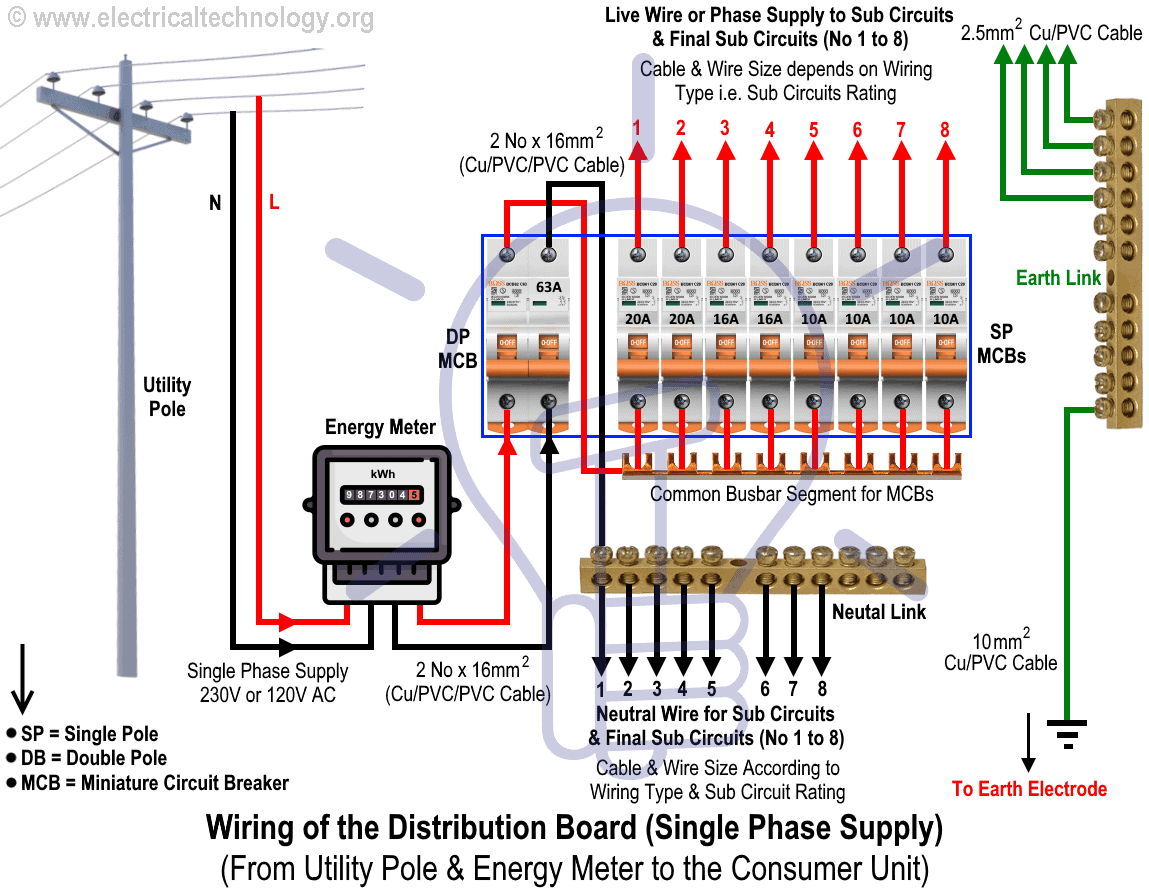
So, how does this electric meter actually talk to the utility company? Well, it's not like they're on the phone gossiping about your latest Netflix binge (although, wouldn't that be hilarious?!). The connection is much more fundamental: a physical link, a lifeline of wires that carry the precious electrical current itself.
Must Read
From the utility's substation, high-voltage power lines stretch across the landscape, eventually reaching the transformer near your home. This transformer steps down the voltage to a level safe for household use. From there, wires run directly to your electric meter. It’s like a super-highway for electricity, with your meter acting as the toll booth, meticulously counting the kilowatts as they flow into your house.
Inside the Meter: Counting the Electrons
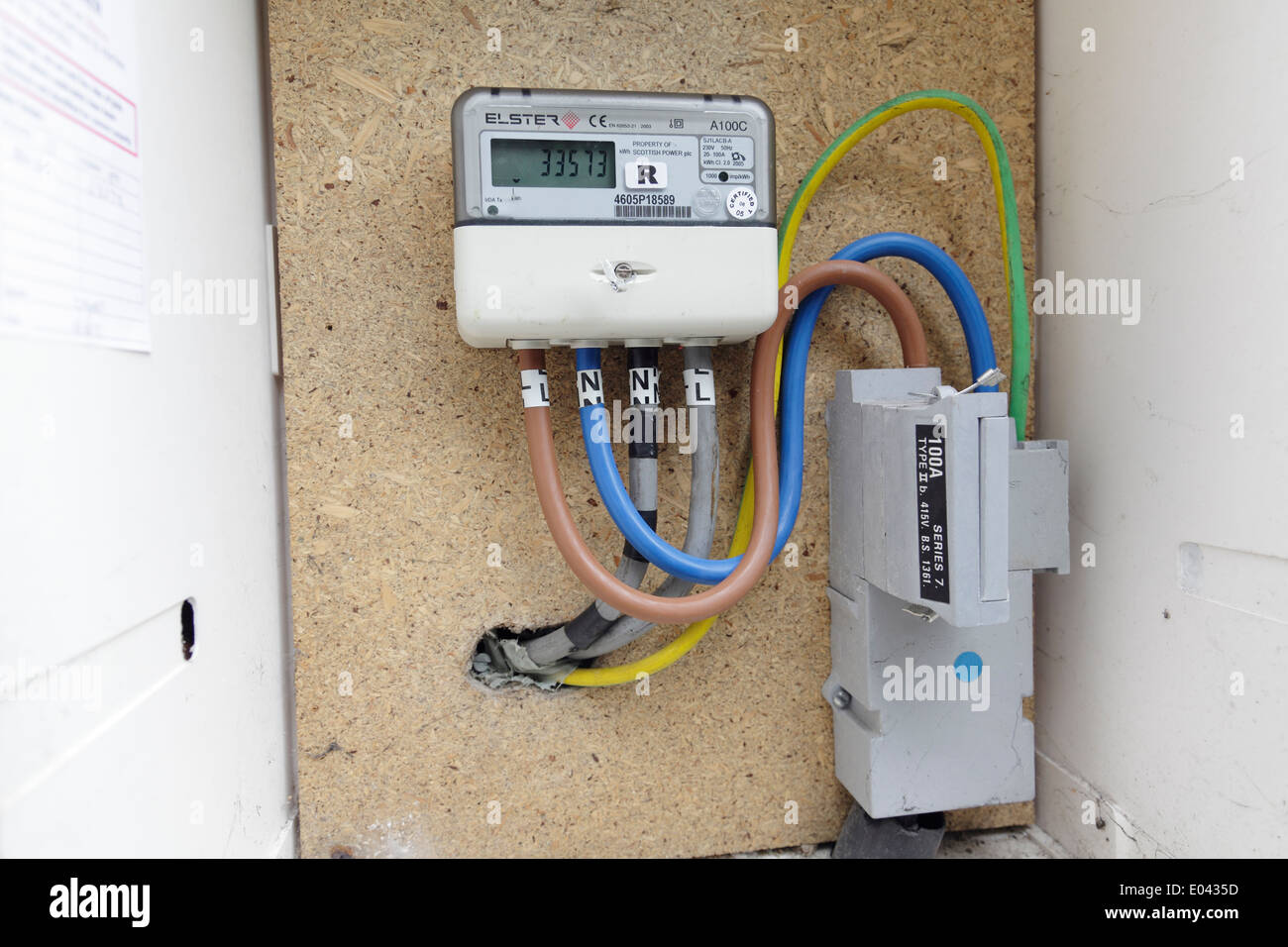
Now, this is where things get a little more interesting. The meter itself contains clever mechanisms that measure the flow of electricity. Older meters use spinning discs that rotate faster the more electricity you use. Think of it like a tiny, dedicated hamster wheel powered by your appliances! These rotations are then translated into a reading on the meter's display.

Modern meters are often digital, using electronic sensors to measure the flow of electrons. It's like having a tiny, super-precise accountant living inside the box, constantly monitoring your energy spending. These smart meters can even transmit data wirelessly to the utility company, eliminating the need for a meter reader to physically come to your house (sorry, meter readers! We still appreciate you!).
The beauty of this system is its simplicity and reliability. Electricity flows through the meter, and the meter diligently records the amount that passes through. It's a direct and undeniable connection, a constant conversation between your energy needs and the utility company's ability to meet them.

The Utility's Role: Ensuring the Flow
The utility company isn't just sitting back and collecting payments (although, let's be honest, that's part of it!). They're constantly monitoring the grid, ensuring a stable and reliable supply of electricity. They're like the conductors of a giant electrical orchestra, making sure all the instruments (power plants, transformers, distribution lines, and even your little electric meter) are playing in harmony.
When you flip a switch, you're essentially sending a signal to the utility company: "Hey, I need some power!" And because of the constant connection between your meter and the grid, they can respond almost instantly, sending the necessary electrons to power your lights, your TV, and your electric toothbrush (because, let's face it, no one wants a manual toothbrush experience!).
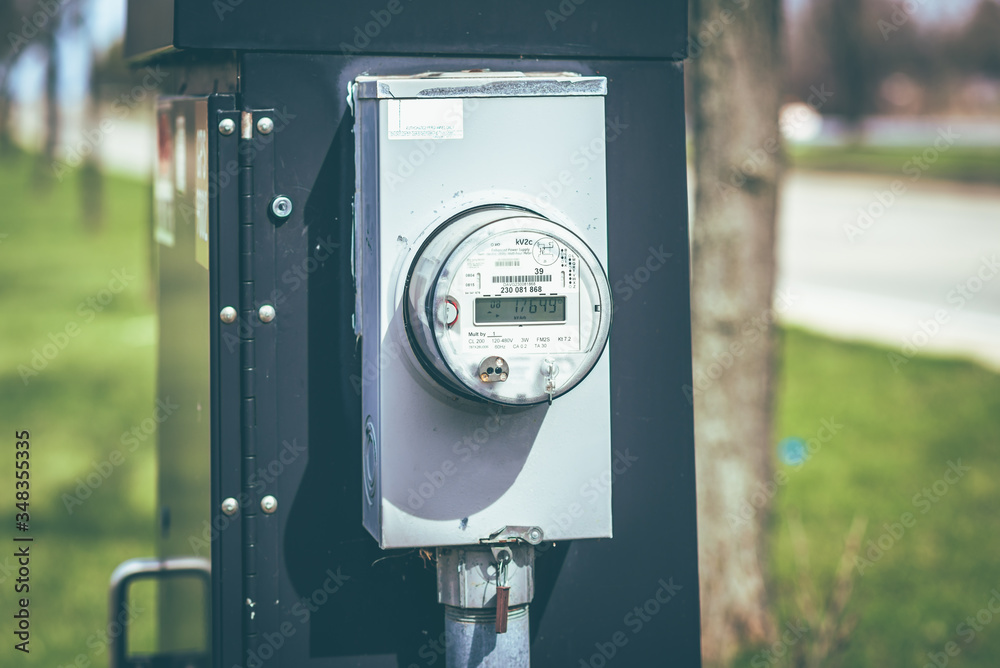
In essence, your electric meter isn't just a box on the wall; it's a vital link in a complex and fascinating system that powers our modern world. It's a silent partner, diligently tracking your energy usage and ensuring that you have the electricity you need, whenever you need it.
So, the next time you glance at your electric meter, remember the incredible journey of electricity from the power plant to your home, and the vital role that little box plays in making it all possible. It's a connection that powers our lives, one kilowatt-hour at a time.