An Example Of An Hfc Refrigerant Is
Let's talk about something you probably don't think about every day, but definitely benefits from: refrigerants! More specifically, HFC refrigerants. Now, I know what you're thinking: "Refrigerants? Sounds about as exciting as watching paint dry." But trust me, understanding the basics of these chemicals is actually pretty cool (pun intended!). They're essential for keeping our food fresh, our homes comfortable, and even making sure our cars are a pleasant place to be during the summer heat. So, let's dive in!
First things first, what are HFC refrigerants? HFC stands for Hydrofluorocarbon. They're a class of synthetic refrigerants that were developed as a replacement for older refrigerants like CFCs (Chlorofluorocarbons) and HCFCs (Hydrochlorofluorocarbons), which were found to be damaging to the ozone layer. Think of HFCs as the slightly less environmentally naughty cousins of those older compounds.
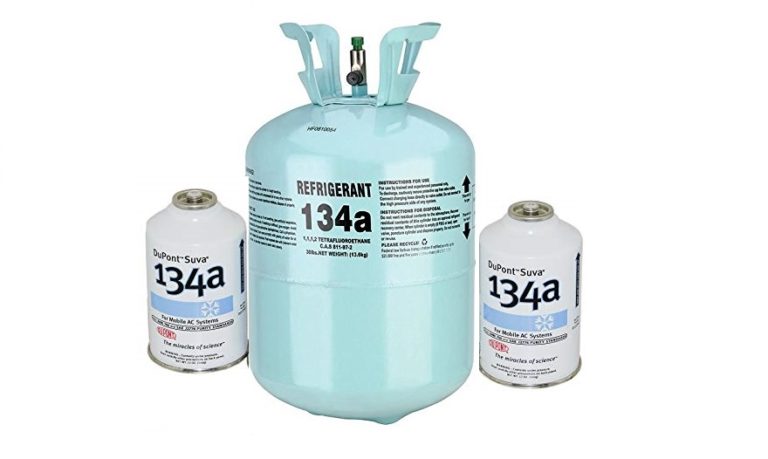
So, what's an example of an HFC refrigerant? A common one is R-134a (also known as HFC-134a). It's been widely used in automotive air conditioning systems since the 1990s and is also used in some residential and commercial refrigeration applications. You might even find it in your refrigerator at home! Its primary purpose is, of course, to transfer heat. In your car’s AC, it absorbs heat from the cabin and releases it outside. In your fridge, it pulls heat away from the inside, keeping your milk and leftovers nice and chilled.
Must Read
What makes HFC refrigerants beneficial? Well, compared to their ozone-depleting predecessors, they are a significant improvement. They don't contain chlorine, which is the main culprit behind ozone layer damage. That's a big win for the planet! They are also generally effective at their job: efficiently cooling things down. This efficiency translates to lower energy consumption, which can save you money on your electricity bill. Think of it as being environmentally friendly and fiscally responsible all at once!
However, it's not all sunshine and rainbows. While HFCs are better for the ozone layer, they are potent greenhouse gases. This means they trap heat in the atmosphere and contribute to global warming. R-134a, for example, has a global warming potential (GWP) that is significantly higher than carbon dioxide. This has led to regulations aimed at phasing down the use of HFCs in favor of more environmentally friendly alternatives, such as hydrofluoroolefins (HFOs) and natural refrigerants like carbon dioxide and ammonia.
The future of refrigerants is all about finding the perfect balance: effective cooling with minimal environmental impact. Scientists and engineers are constantly working to develop new and improved refrigerants that are both safe for the ozone layer and have a low global warming potential. So, the next time you feel that cool blast of air from your AC, remember the unsung heroes – the refrigerants – working hard to keep you comfortable, and the ongoing effort to make them even better for our planet.