
An Element That Has Properties Of Both Metals And Nonmetals

Okay, folks, let's talk about the rebels of the periodic table. The ones who can't quite decide which clique to hang out with. I'm talking about the metalloids. You know, those elements that are like the awkward kid who's friends with both the jocks and the chess club.
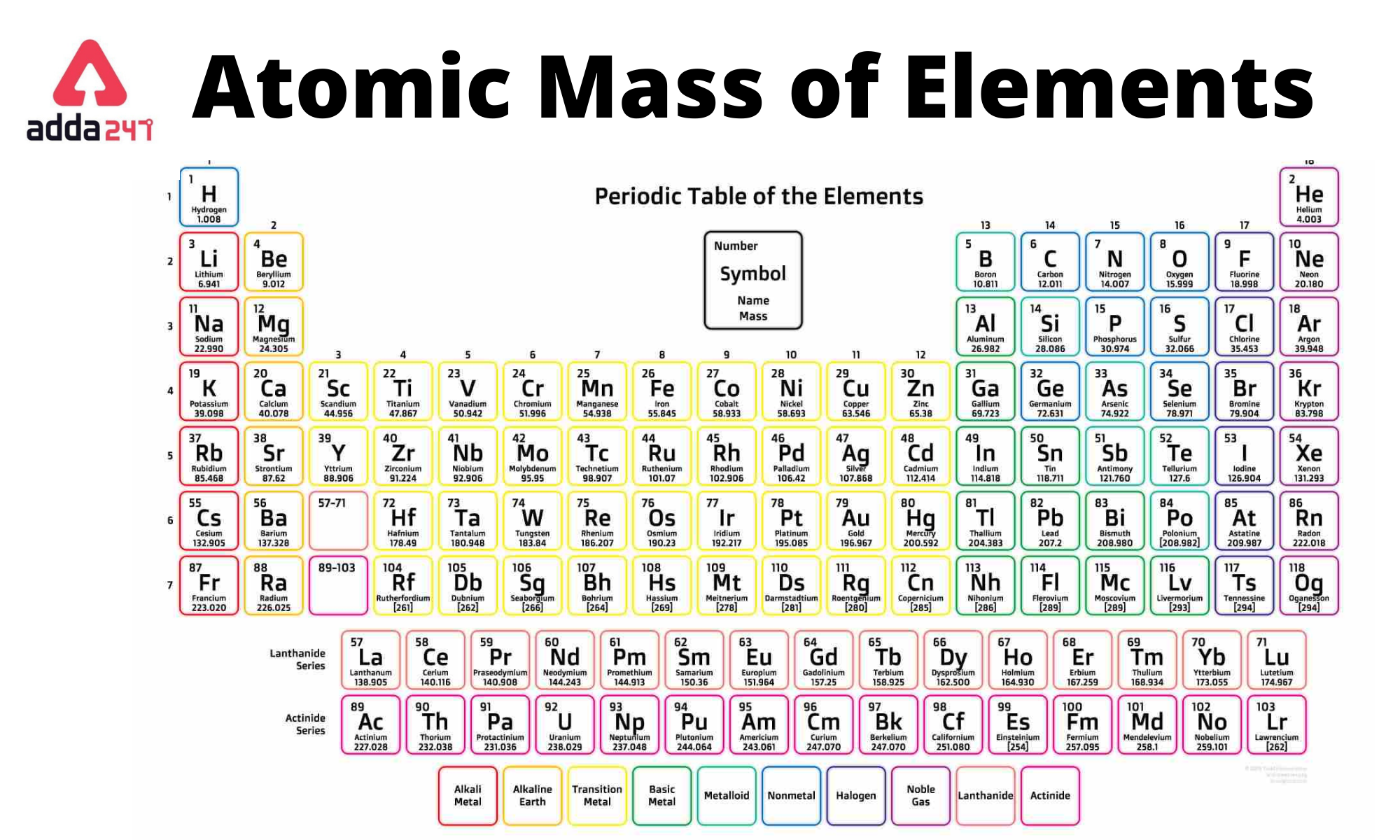
And today, we're focusing on one in particular. The one that, if I'm honest, is my personal favorite. Prepare for an unpopular opinion: Silicon is secretly the most interesting element on the entire damn table.
I know, I know. You’re probably thinking, "Silicon? Isn't that just... sand?" Well, yes. But also, so much more! Sand castles are cool, sure. But silicon's potential doesn't stop at the beach.
Must Read
Silicon: The Element with a Split Personality
Silicon is that character in every movie who seems normal at first, but then you find out they're a master spy, or a secret billionaire, or maybe both. At first glance, it’s like, "Oh, another element. Whatever." Then you dig a little deeper, and BOOM! Mind. Blown.
See, silicon acts like a metal sometimes. It’s got a bit of shine. It can conduct electricity, but only when it feels like it. That’s what makes it a semiconductor. Fancy, right?
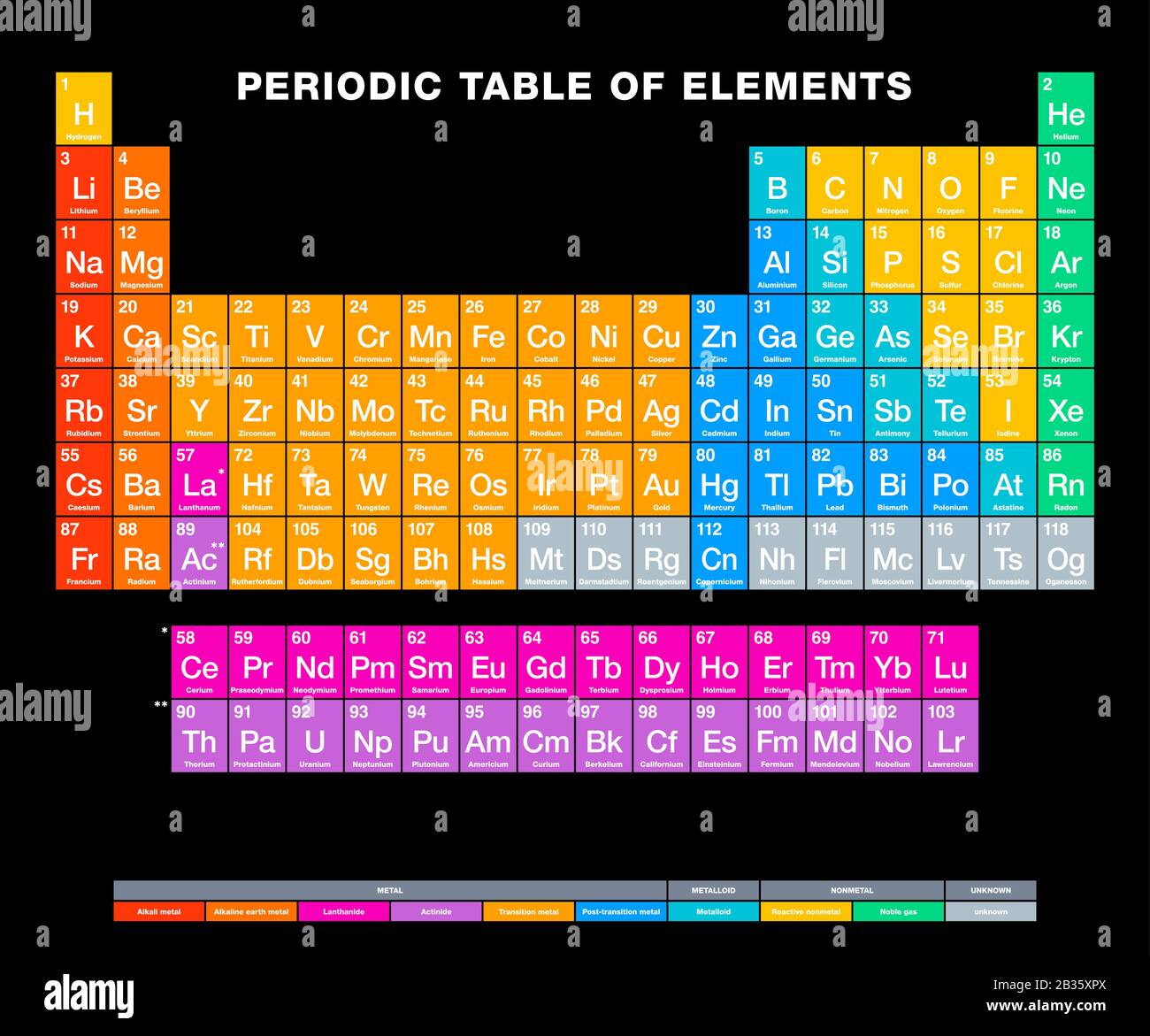
But then, it also acts like a nonmetal. It forms strong bonds with oxygen and other nonmetals. It's not particularly malleable. Try hammering a silicon chip sometime and see what happens. (Spoiler alert: it shatters.)
It's like that friend who’s happy to go out dancing, but also loves spending Saturday nights with a book. Contradictory? Maybe. But also, incredibly versatile.
Silicon Valley: Proof of its Awesomeness
And speaking of versatile, let's talk about what silicon does. It's the heart of pretty much every piece of technology you’re using right now. Your phone? Silicon chips. Your computer? Silicon chips. Your smart toaster oven? (Yes, those are a thing now.) You guessed it: silicon chips.
Without silicon, we'd still be using abacuses (abaci?). And while I respect the abacus, I'm pretty happy with my smartphone.
/periodic-table-of-the-elements-2017--illustration-769723031-5ac10eb6a9d4f9003769784d.jpg)
Silicon's ability to be both a metal and a nonmetal is the reason we live in the digital age. It's the foundation upon which our entire technological infrastructure is built.
Think about it. Silicon Valley is named after this element for a reason. It's not "Carbon Corner" or "Oxygen Outpost." It's Silicon Valley. That's because silicon is the key ingredient to so much of what makes modern technology possible.
Why I'm On Team Silicon
So, why am I so obsessed with silicon? Because it's the ultimate underdog. It's not flashy like gold. It's not essential for breathing like oxygen. But it quietly powers our world, making our lives easier, more connected, and, let's be honest, way more entertaining.

It's like the unsung hero of the periodic table. The element that doesn't get enough credit. The one that's too busy enabling cat videos and online shopping to care about fame and fortune.
Maybe I'm biased. Maybe I'm just a sucker for a good semiconductor. But I stand by my opinion. Silicon is awesome. And if you disagree, well, you're probably just using a device powered by silicon to read this, so... you're welcome.
And look, if all else fails, you can always build a killer sand castle. Thanks, silicon!