
An Amp Is A Unit Of Electric:
Ever plug in a new gadget and wonder if it'll trip the breaker? Or notice your lights dim slightly when the air conditioner kicks on? It's all connected to something called an amp, and understanding it is like having a secret superpower for your home! An amp isn't some super complex scientific term; it's simply a way we measure how much electricity is flowing. Think of it like the "oomph" factor for your electronics. Learning about amps makes you a savvier consumer, a safer resident, and even a budding home tinkerer. It's truly fascinating how knowing this one little unit can unlock so much about the world around us.
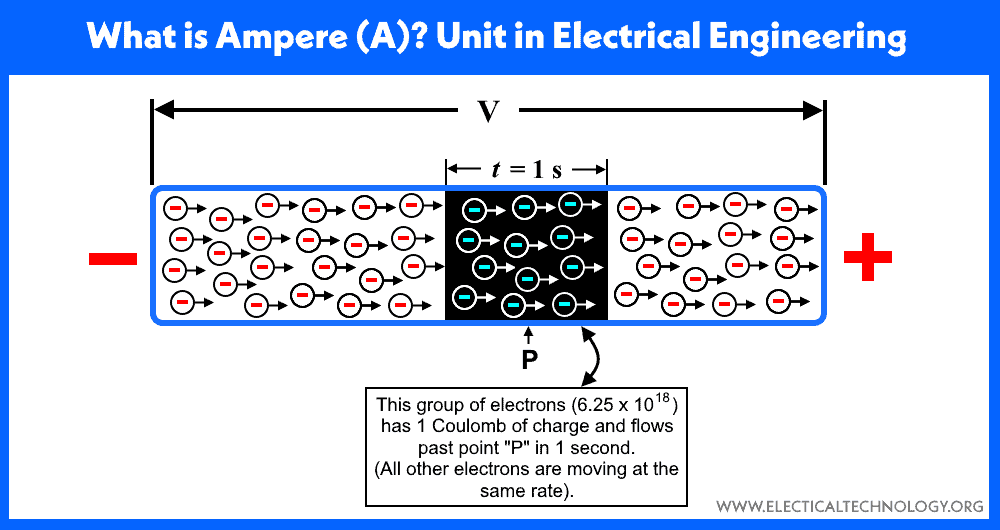
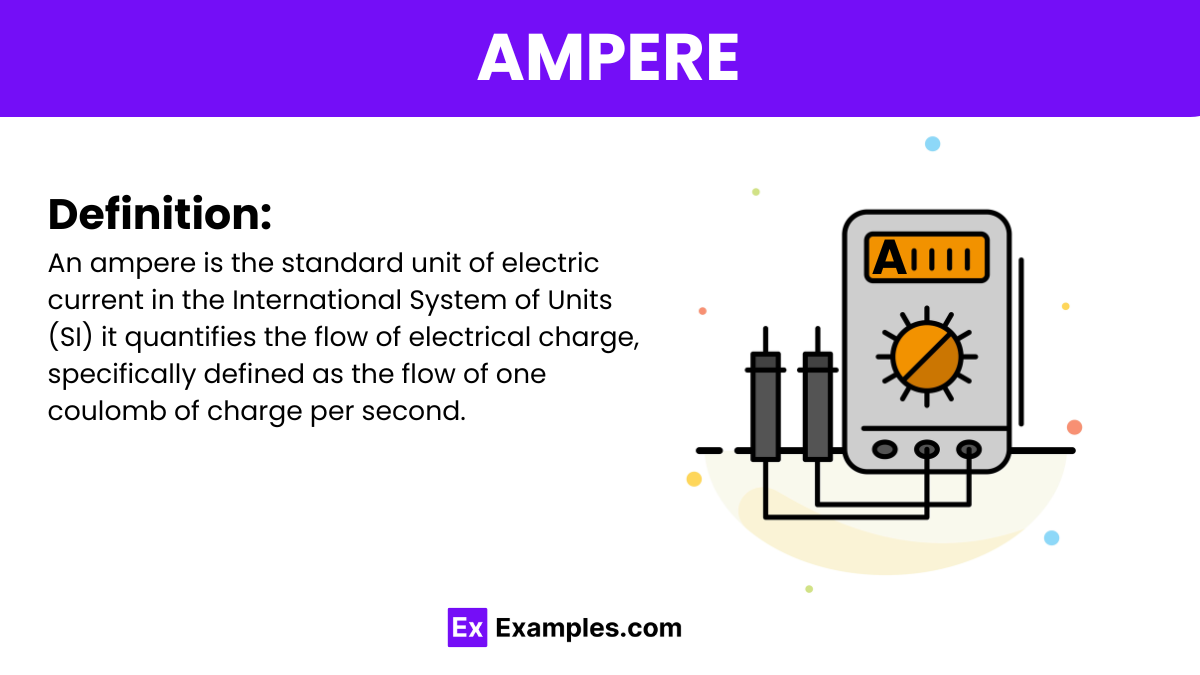
So, what's the big deal about an amp? Well, an amp is a unit of electric current. Imagine electricity as water flowing through pipes: the voltage is the water pressure, and the amps are how much water is actually flowing past a point at any given time. Understanding this flow is incredibly useful for various folks. For beginners, it demystifies why some appliances need special outlets or why you can't plug a dozen heavy-duty tools into one extension cord. It's crucial for basic safety, helping you avoid overloads and tripped circuit breakers. For families, it means making smarter choices about appliance usage, understanding power consumption on your bills, and even knowing what kind of surge protector you truly need. You'll be able to glance at an appliance label and have a much better idea of its electrical needs. And for the budding hobbyists, diving into electronics or DIY projects, knowing about amps is fundamental. It helps you pick the right power supply for your LED strip lights or understand why a certain component needs a specific amount of current to function correctly.
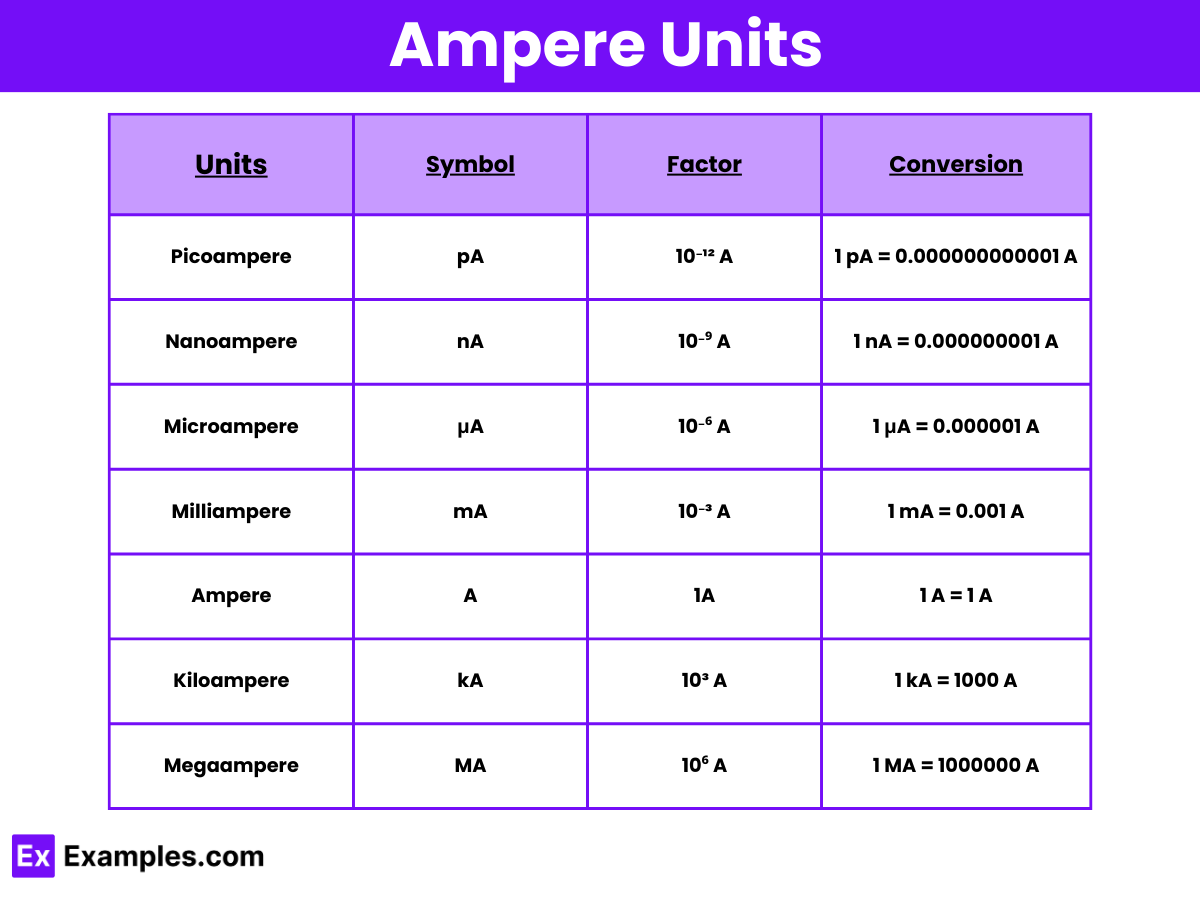
Amps are everywhere, once you know to look! A typical phone charger might draw less than one amp (or a few hundred milliamps, where 'milli' means one-thousandth). Your energy-efficient LED light bulb? Very low amps. But plug in a toaster or a hairdryer, and you're looking at something that pulls several amps, requiring a good amount of current. Then there are power-hungry giants like electric ovens or large air conditioning units, which demand many, many amps and often have dedicated circuits just for them. This is why you can't run your microwave, toaster, and hairdryer all on the same outlet without risking a blackout! It’s all about the total current (amps) that the circuit can safely handle. Different devices, different amperage needs – it's a diverse electrical ecosystem!
Must Read
Ready to start understanding amps in your daily life? It’s simpler than you think! First, make it a habit to check appliance labels. Most will tell you the wattage (W), voltage (V), and sometimes the amperage (A). Remember, Watts = Volts x Amps (W=VA), so if you know any two, you can figure out the third. Secondly, be mindful of overloading outlets and extension cords. Each household circuit has a limit, typically 15 or 20 amps. Plugging too many high-amp devices into one circuit will exceed this limit and trip the breaker – a built-in safety feature to prevent fires. Finally, for the curious, start with small, low-voltage, low-amp projects like battery-powered LED circuits. Always remember, when dealing with anything electrical, safety first! If you're unsure, consult a professional.
So there you have it! From demystifying a tripped breaker to choosing the right charger, understanding that an amp is a unit of electric current is incredibly empowering. It takes the mystery out of the electrical world, making you feel more in control and knowledgeable about your home and gadgets. Embrace your inner electrical detective; a little bit of knowledge about amps goes a long way in making your everyday life smoother, safer, and much more informed!
+is+the+unit+of+electrical+current.jpg)
