
Amperaje Para Soldar 6011 1 8

Alright, let's talk about something that makes every home welder, farm fabricator, or weekend warrior scratch their head and then grin when they finally nail it: amperage for welding with a 6011 1/8 rod. It sounds like a secret code, doesn't it? Like something out of a spy movie where only the initiated understand.
But fear not, my metal-mashing comrades! This isn't rocket science; it's more like trying to figure out how much gas to give your lawnmower on a dewy morning. Too little, and it sputters like a grumpy old man; too much, and it tries to eat your rose bushes. We're aiming for that Goldilocks zone, remember?
Meet Your Best Buddy: The 6011 1/8 Rod
First off, let's introduce the star of our show: the 6011 1/8 electrode. If welding rods were people, the 6011 would be that one friend who's always up for anything, doesn't mind getting a little dirty, and can patch up pretty much any mess you throw at them. It's the utility player, the jack-of-all-trades, especially when you're dealing with less-than-perfect metal—rusty, painted, generally just having a bad day. And 1/8 inch? That's your standard, go-to size for general fixes, not too big, not too small. It's the "medium" in your fast-food order.
Must Read
Amperage: The Gas Pedal of Your Welder
Now, for the big word: amperage. Think of your welder as a car, and the amperage knob is your gas pedal. You're trying to melt metal, right? Well, how fast do you want to melt it? How much heat do you need to push into that stubborn piece of steel?
This is where the magic (or the frustration) happens. Get it just right, and your weld looks like a beautiful stack of dimes, humming along like a contented cat. Get it wrong, and you're either sticking like glue or blowing holes like a toddler with a firecracker.

Too Low Amperage: The Stubborn Sputter
Ever tried to light a bonfire with a single, damp match? That's what welding with too low amperage feels like. For our trusty 6011 1/8 rod, if you set the amps too low (say, under 70-80A for a 1/8 rod on most machines), you'll experience a few things:
- The arc will be stubborn. It won't want to start, or it'll immediately stick to your workpiece like it's hugging an old friend.
- It'll sputter and pop, sounding less like welding and more like a disgruntled popcorn machine.
- The weld puddle will be cold and chunky, refusing to spread out nicely. You'll end up with a high, ropey bead that probably has poor penetration. It’s like trying to spread cold butter on toast – it just rips it apart.
You’ll know you’re too low because you’ll spend more time trying to unstick the rod than actually welding. It's incredibly frustrating, like trying to get a toddler to share their cookies – a lot of effort for very little reward.

Too High Amperage: The Wild Melt-Through
On the flip side, crank that amperage knob up too high (we're talking above 120-130A for our 1/8 6011, depending on your machine and material), and you're basically trying to peel a potato with a chainsaw. It's overkill, messy, and you're likely to do more harm than good.
- The arc will be wild and uncontrollable, spitting molten metal everywhere like a grumpy dragon.
- You'll likely experience "keyholing," where you just blow a literal hole through your workpiece. Especially on thinner material, it happens faster than you can say "oops!"
- The weld puddle will be thin and watery, running away from you faster than your responsibilities on a Monday morning. You'll end up with a wide, flat, and likely porous bead with poor fusion, or worse, just a big hole.
It’s like trying to write a delicate letter with a permanent marker – you quickly realize you’ve made a huge, irreversible mess. You’ll be chasing that puddle around, feeling like you’re trying to herd cats.

The Sweet Spot: Listen to Your Rod!
So, what's the magic number for our 6011 1/8 rod? Generally, you're looking for something in the range of 70 to 120 amps. But here's the kicker: this isn't a hard and fast rule set in stone by the welding gods. Your machine, the thickness of your material, whether it's AC or DC (6011 loves both, by the way!), and even the phase of the moon can slightly affect it.
The trick is to start in the middle of that range, say around 90-100 amps, and then listen. Yes, listen to your rod! A happy 6011 will hum along with a steady, consistent crackle, like bacon frying on a perfectly heated pan. The arc will be stable, and the puddle will form nicely behind it, spreading out just enough without trying to run away.
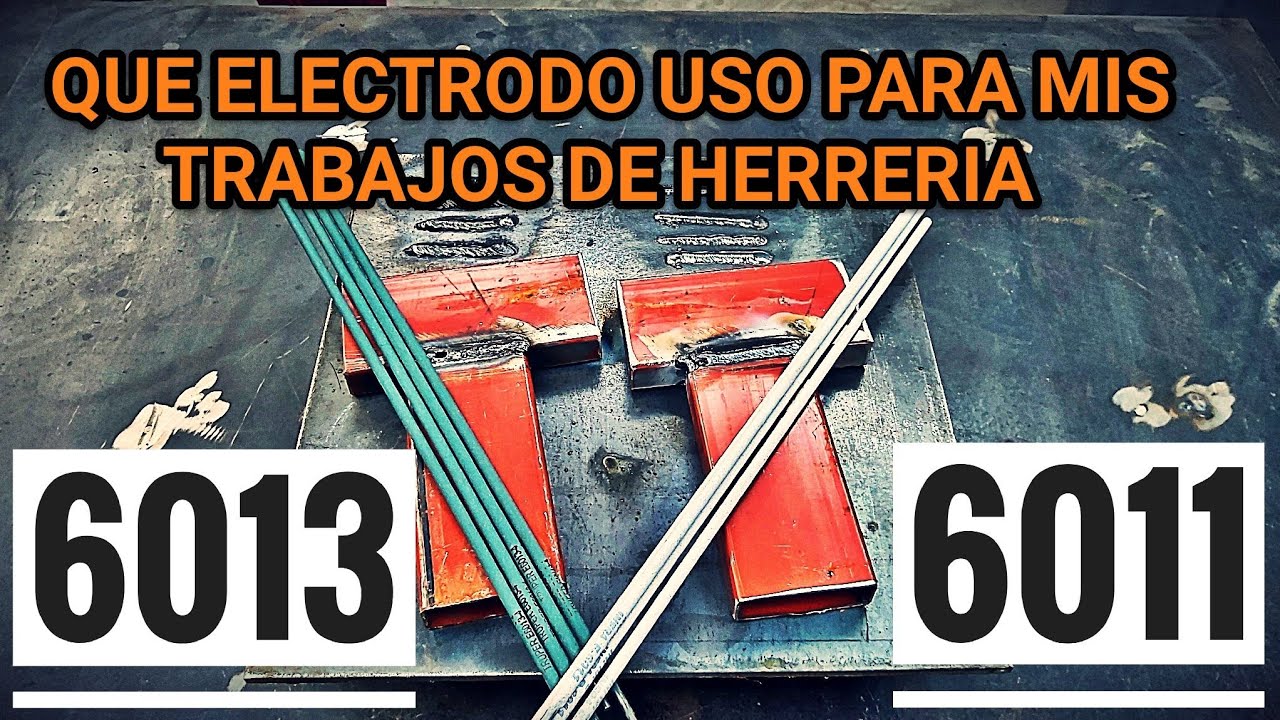
If it's sticking, nudge the amperage up 5-10 amps. If it's blowing through or sputtering wildly, back it down a bit. Do a few practice beads on a scrap piece of metal. This isn't just about making a pretty weld; it's about feeling the weld, letting your hands and ears tell you what's going on.
The "Aha!" Moment
There will be a moment, usually after a few frustratingly stuck rods or unexpectedly blown holes, when you hit that sweet spot. The arc will ignite effortlessly, the crackle will be just right, and that puddle will lay down like a perfectly behaved ribbon of molten steel. You'll smile. You'll nod. You'll probably think, "Aha! So that's what they were talking about!"
And then, you'll be ready to tackle that busted fence, that wobbly trailer hitch, or whatever metal monster needs taming. So go forth, my friends, adjust those amps, and let that 6011 1/8 rod sing its happy welding song. Happy melting!