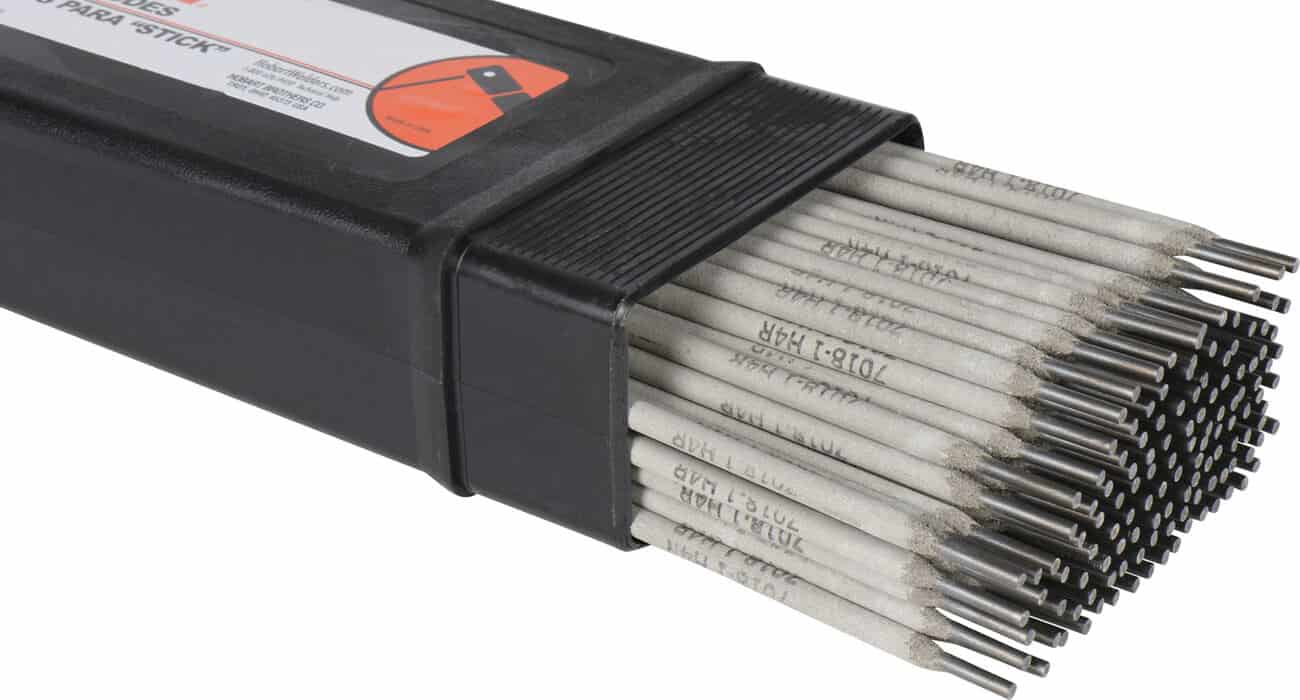
Alright, buckle up, fellow adventurers and curious minds, because we're diving headfirst into the wonderfully world of welding, specifically with the superstar of welding rods: the 7018! If you've ever thought welding was super complex or intimidating, prepare to have your socks charmed right off. We're going to talk about amperage, but in a way that’s less like a science lecture and more like finding the perfect setting on your favorite gadget.
Think of amperage as the gas pedal for your welding machine. It’s how much oomph, how much zest, how much pure molten magic you're sending through your welding rod. And for our beloved 7018, finding that perfect pedal press is like unlocking a secret level of welding awesomeness. It's truly a game-changer!
The Goldilocks Principle of Amperage
Just like Goldilocks searching for the just-right porridge, we’re on a quest for the just-right amperage. Let’s explore what happens if we go a little wild on either end of the spectrum:
Imagine your welding machine is trying to start a campfire with just a tiny match on a windy day. That’s what happens if your amperage is too low. Your 7018 rod, which is usually a smooth operator, will start to sputter and stick like a piece of chewing gum under a hot table. It won’t melt cleanly, the arc will be weak and unstable, and you'll end up with a weld that looks more like bird droppings than a strong, beautiful bead. It's frustrating, messy, and your rod will throw a tiny little tantrum by sticking to the metal. Nobody wants a grumpy rod!
Amperage too low? Your 7018 acts like it's perpetually Monday morning.
Mastering the Art of 7018 Stick Welding: A Comprehensive Guide
Too Hot: The Fiery Dragon
Now, let's swing to the other extreme. What if you floor that gas pedal? Too much amperage, and your 7018 rod turns into a tiny, but very enthusiastic, metal-melting dragon. The arc will be wild, spitting molten metal everywhere like a mischievous paint fight, and the puddle will be huge, watery, and incredibly difficult to control. You might even burn right through thinner materials, leaving behind gaping holes instead of sturdy connections. It’s exciting, yes, but not in a good, constructive way! Your beautiful metal could end up looking like Swiss cheese.
Amperage too high? Your 7018 turns into a tiny, uncontrollable supernova.
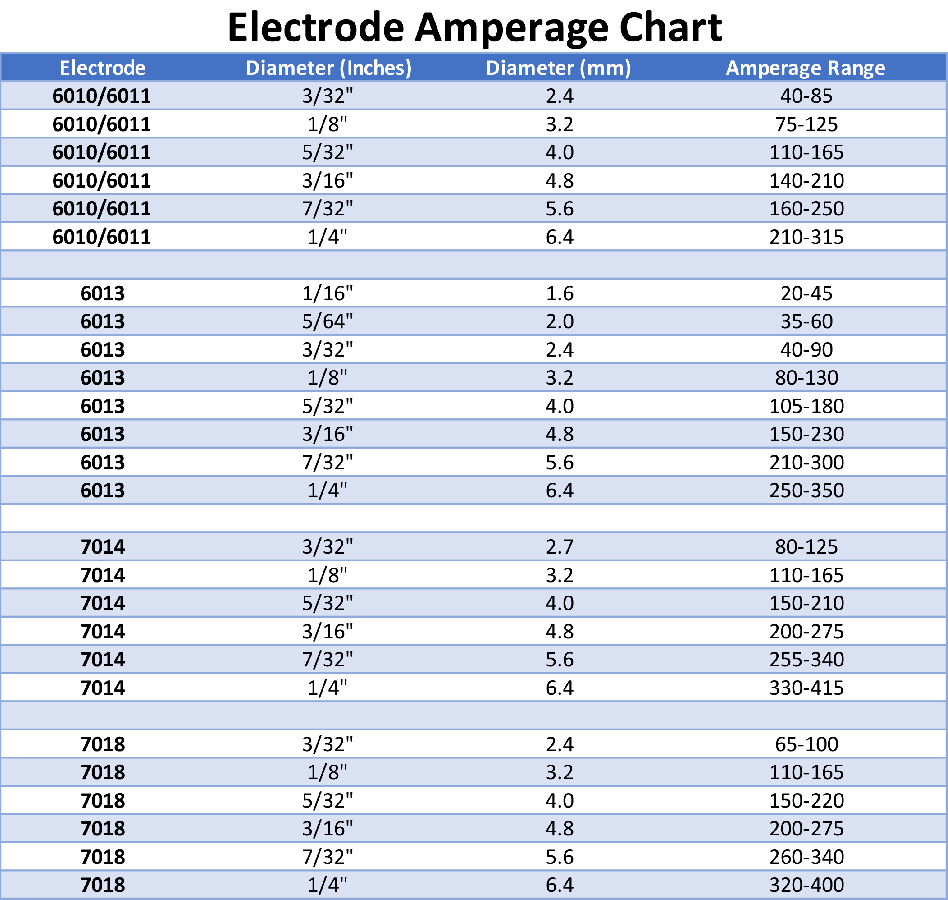
Electrode Amperage Chart — Baker's Gas & Welding Supplies, Inc.
Finding the "Sweet Spot" for Your 7018
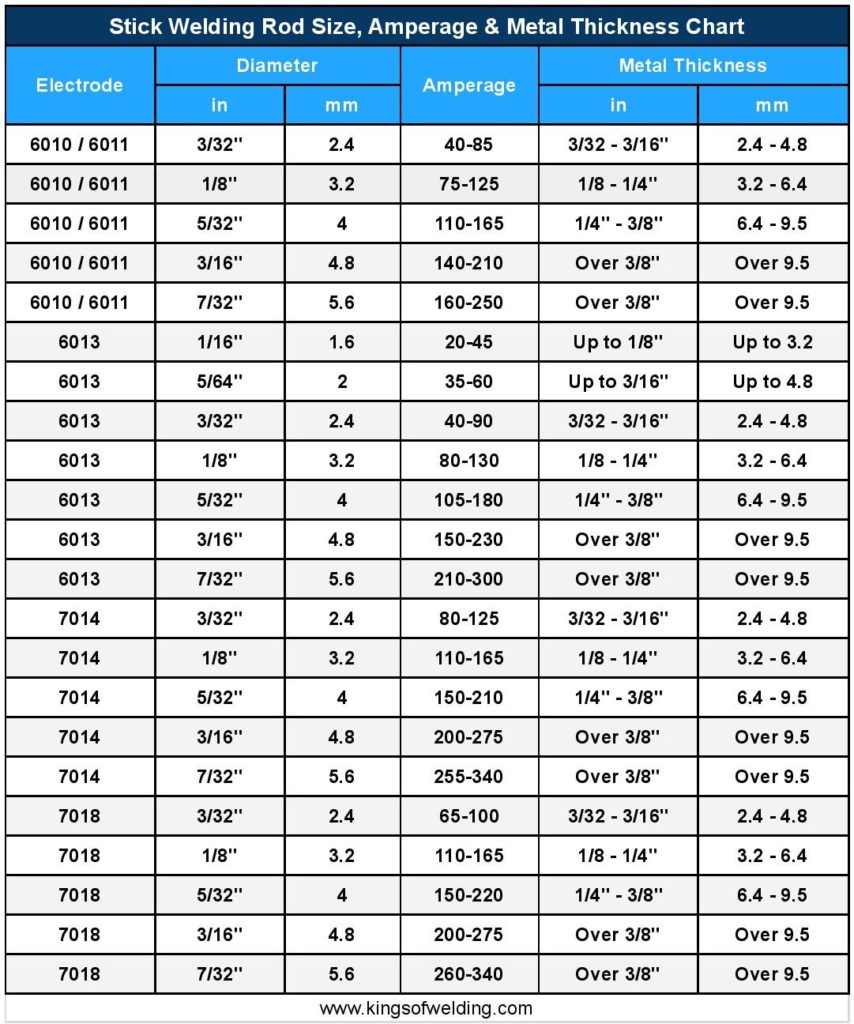
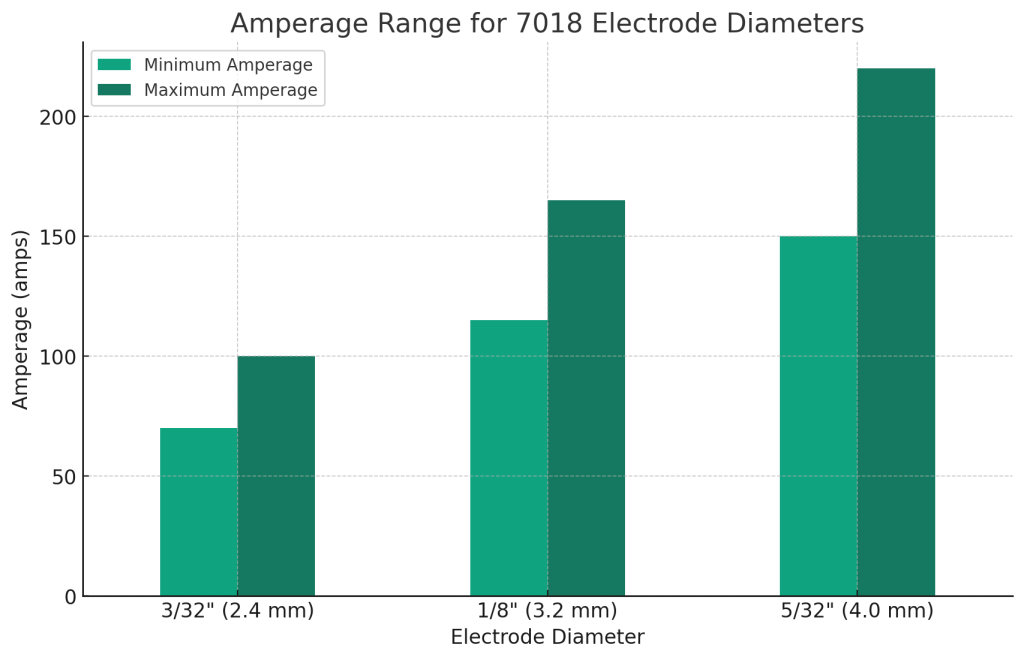
So, where is this magical middle ground? The "sweet spot" for 7018 rods is typically found in the manufacturer's recommendations printed right on the box. For a common 1/8-inch (3.2mm) 7018 rod, you'll often see a range like 100-150 amps. But here's the fun part: this is just a starting point, like a recipe’s suggestion. Every machine, every piece of metal, and even every welder's personal style will tweak this a little.
The secret? Start in the lower middle of that recommended range. For our 1/8-inch rod, maybe try 110-120 amps. Then, run a test bead on some scrap metal. How does it look? How does it feel? Is the arc smooth and steady, like a purring kitten? Is the molten puddle well-defined and flowing nicely, like warm honey? If it’s sticky, bump it up 5-10 amps. If it’s splattering and wild, dial it back. It’s an art, not just a science, and your eyes and ears are your best guides!
7018 Welding Rod: Amperage, Uses and Best Techniques
You’re looking for that perfect hum, that consistent, controllable puddle that just seems to flow into place. When you hit it, it feels like magic! Your 7018 rod will lay down beautiful, strong, and consistent welds that are the envy of every other rod in the workshop.
Why 7018 is Worth the Amperage Dance
The 7018 rod is often called the "Low Hydrogen" rod, and it's famous for producing incredibly strong welds that resist cracking. It’s fantastic for critical applications and for welding on thicker, structural steels. It’s also surprisingly versatile, letting you weld in various positions – flat, horizontal, vertical, overhead – with a little practice. So, taking the time to master its amperage is an investment in creating welds that are not just pretty, but truly bulletproof!
Don't be afraid to experiment! Welding is a skill that rewards curiosity and a willingness to try things. With your fantastic 7018 rods, and a little playful experimentation with your amperage dial, you'll be laying down those gorgeous, strong beads in no time. So, go forth, fire up that machine, and have an absolute blast finding that perfect sweet spot!