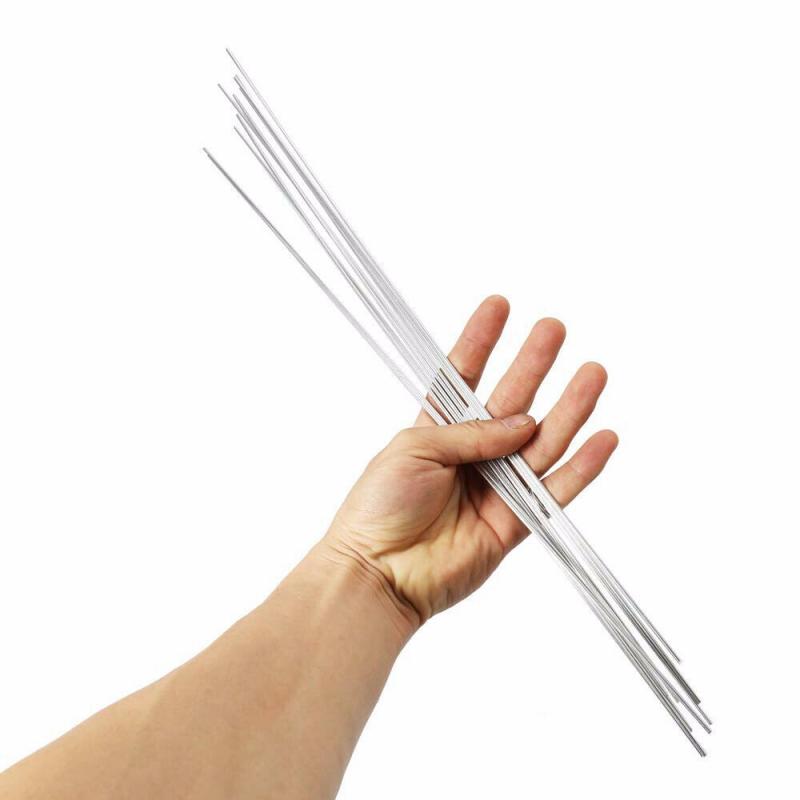
Aluminum Welding Flux Core Wire

Alright, settle in, grab your imaginary latte, because we're about to dive headfirst into a topic that might sound like it belongs in a secret society meeting for engineers, but I promise, it's actually pretty wild. We're talking about aluminum welding flux core wire. Yes, I know, it sounds like a spell from a wizard's grimoire, but trust me, it's less 'Abracadabra' and more 'Hold my beer and watch this!'
For decades, welding aluminum has been like trying to herd cats made of butter on a hot day. Aluminum is the diva of metals. It's light, it's strong, it doesn't rust, but man, does it put up a fight when you try to stick two pieces together. Why? Because aluminum, bless its shiny heart, instantly forms a protective layer of oxide on its surface. This oxide layer has a melting point that’s way higher than the aluminum underneath it. So you're basically trying to melt a brick on top of a puddle.
Historically, if you wanted to weld aluminum without wanting to tear your hair out, you typically needed a setup that looked like a science lab had a baby with a very expensive garage. Think big, bulky MIG welders with fancy AC current and, most importantly, a giant tank of inert shielding gas – usually Argon. This gas acts like a personal bodyguard for your molten weld, pushing away all that pesky oxygen trying to ruin your day and create a brittle, ugly weld. It's effective, but not exactly something you throw in the back of your pickup for a quick repair at Aunt Carol's.
Must Read
Now, imagine a world where you don't need the gas tank. No more wrestling with regulators, no more running out of gas mid-project, no more listening to your wallet cry every time you need a refill. Sounds like a dream, right? Well, that's where the aluminum welding flux core wire waltzes in, looking all unassuming, but carrying a secret weapon.
So, What Is This Magical Wire?
Think of it like this: regular welding wire is solid. You need an external gas shield. Flux core wire, on the other hand, is a tiny, hollow tube, and inside that tube is a powdered concoction of magical ingredients – the "flux." When you strike an arc with this wire, the flux gets super hot and creates its own mini-gas cloud around the weld. It’s like a tiny, self-contained gas tank and cleaning crew all in one! It shields the weld from the atmosphere and, crucially for aluminum, helps to break down and float away that stubborn oxide layer.

For a long time, flux core wire was mostly a thing for steel. It was known for its portability and its ability to handle windy outdoor conditions where shielding gas would just blow away. But for aluminum? People would scoff. "Impossible!" they'd cry, "The flux can't handle aluminum's unique challenges!" And for a while, they were mostly right. Aluminum flux core wire was either non-existent or produced welds that looked like a pigeon had sneezed on your project.
But technology, my friends, is a relentless beast. Fast forward to today, and thanks to some seriously clever metallurgists who probably sacrificed many weekends to the welding gods, we now have aluminum flux core wire that actually, genuinely, works. It’s not perfect, don’t get me wrong, but for the hobbyist, the DIY warrior, or anyone needing to make a quick, functional aluminum repair without buying a gas cylinder that costs more than your first car, it’s a total game-changer.
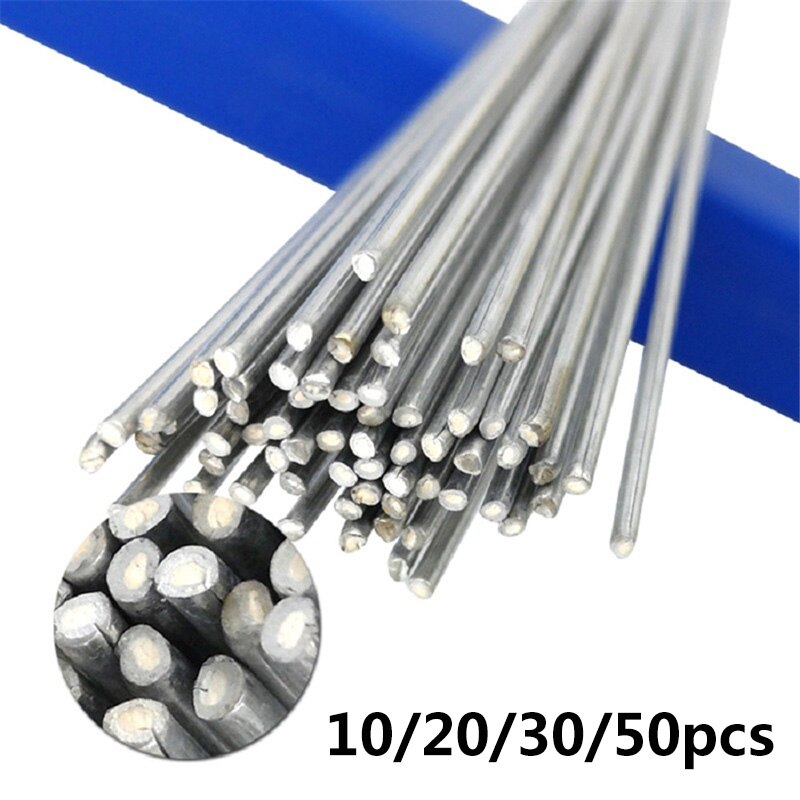
The Good, The Bad, and The Spattery
Let's get real. The biggest pro? No gas tank! This means true portability. You can take your little wire-feed welder to the furthest reaches of your property, your neighbor's yard, or even that secret bunker you’ve been building, and weld aluminum. It's fantastic for outdoor repairs because, again, no gas to blow away in the breeze. It's also often a more budget-friendly entry point for small aluminum jobs.
Now for the "cons." Because it generates its own shield, flux core welding is usually a bit… well, messier. Expect more smoke, more spatter (tiny molten metal droplets that fly off the weld), and a weld bead that probably won't win any beauty contests. It's functional, strong enough for many applications, but it won't have that shiny, stacked-dime look of a perfectly TIG or MIG welded joint. You'll also have a layer of slag (the leftover solidified flux) to chip off afterward, much like stick welding. And make sure you're using a machine designed for it, as feeding soft aluminum wire can be tricky if your welder isn't set up correctly.

So, is it going to replace professional TIG or MIG welding for critical structural components on aircraft? Absolutely not. But is it going to allow you to fix that aluminum ladder, repair a boat trailer, or finally tackle that custom aluminum toolbox project without spending a fortune on gear? You bet your bottom dollar it will!
It’s a specialized tool, a niche solution, but for those specific situations, aluminum welding flux core wire is nothing short of revolutionary. It's the rebel of the welding world, eschewing the need for gas and saying, "I'll make my own shield, thank you very much!" So next time you see someone eyeing a tricky aluminum repair, you can sagely nod and whisper, "Have you considered the magic of flux core?" They might look at you funny, but they'll be intrigued. And maybe, just maybe, they’ll actually get the job done.