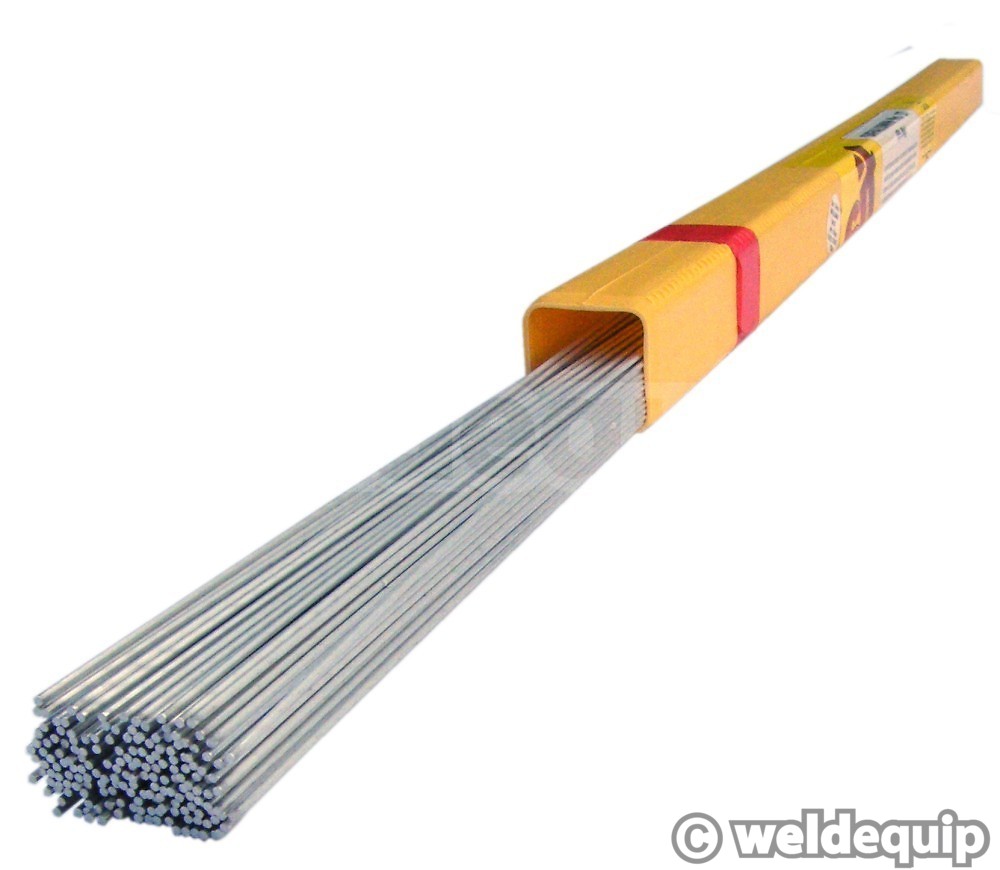
Aluminum Rod For Tig Welding
Ever found yourself looking at a beautifully crafted aluminum object – perhaps a sleek bicycle frame, a shiny boat part, or even a sturdy patio chair – and wondered how it all comes together? Well, a significant part of that magic, especially when it comes to joining pieces of aluminum with incredible precision and strength, involves something called a TIG welder and its trusty companion: the aluminum rod for TIG welding. It might sound like specialist jargon, but understanding this little rod opens up a fascinating window into the world of modern fabrication and repair, making it a surprisingly fun and relevant topic for anyone curious about how things are made!
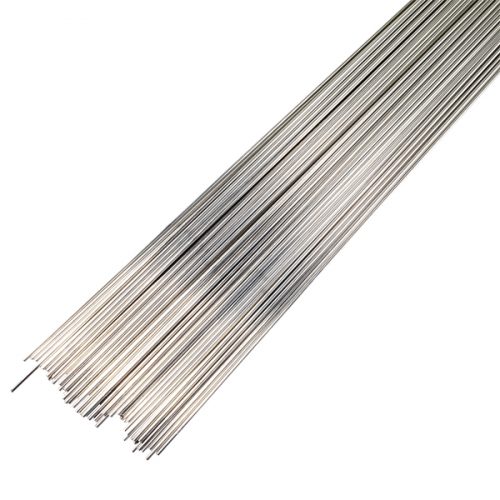
So, what exactly does this humble rod do? In TIG welding (which stands for Tungsten Inert Gas welding, known for its super clean and controlled welds), the aluminum rod acts as the filler material. Imagine you're drawing with a highly focused, super-hot arc (the "pen") and you need to fill in a gap or create a strong seam between two pieces of aluminum. That's where the rod comes in. You feed it manually into the molten puddle created by the TIG torch, and as it melts, it fuses with the base metal, creating a seamless, robust, and often stunningly beautiful weld bead. The benefits are numerous: it creates incredibly strong, ductile joints; it maintains aluminum's natural corrosion resistance and lightweight properties; and the precise control offered by TIG welding means you can achieve exceptionally clean and aesthetic results, often described as looking like "stacked dimes."
This isn't just for highly specialized industrial applications, though it certainly excels there! You'll find the results of aluminum TIG welding everywhere in your daily life. Think about the automotive industry, where lightweight aluminum chassis and engine components are often TIG welded for performance and fuel efficiency. Or marine applications, from small fishing boats to large yachts, where aluminum parts need to be durable and resistant to saltwater corrosion. Even in the art world, sculptors use TIG welding with aluminum rods to create intricate, lightweight, and permanent structures. In an educational setting, vocational schools and engineering programs heavily feature TIG welding to teach students about advanced metal fabrication, material science, and the art of precise craftsmanship.
Must Read
If you're feeling a little curious and want to explore this world further, you don't need to buy a welder just yet! A great starting point is simply watching some TIG welding videos online. YouTube is brimming with incredible demonstrations that showcase the skill involved and the mesmerising beauty of a perfect aluminum weld. You'll quickly notice how the welder carefully controls the arc and feeds the rod, creating that signature "stacked dime" appearance. You could also look up local makerspaces or community colleges; many offer introductory welding classes where you can learn about the different types of aluminum alloys used for rods and even get a supervised, hands-on experience. It’s a wonderful way to appreciate the hidden artistry and engineering that goes into so many of the metal objects we encounter every day.