
Aluminum Physical Properties And Chemical Properties
Ever think about what your phone case, that sleek water bottle, or even parts of your car have in common? Chances are, it's aluminum! This versatile metal is practically everywhere, and understanding its properties is way cooler than you might think. Let's dive into the fascinating world of aluminum, exploring its physical and chemical traits with a dash of fun.
Physical Properties: The Aluminum Advantage
Think of aluminum as the ultimate lightweight champion. Its most famous physical property? It's incredibly light! This is why it's a favorite in the aerospace industry. Imagine a plane made of steel – yikes, that would be heavy! Lighter materials mean better fuel efficiency and smoother rides. Think of the Millennium Falcon - if it was real, chances are it would have a LOT of Aluminum in it.
Another impressive feature is its strength-to-weight ratio. It's surprisingly strong for its weight, making it perfect for building things like bicycle frames, scaffolding, and even high-rise buildings. This combination of lightness and strength makes aluminum a total game-changer.
Must Read
Next up: malleability and ductility. These fancy words basically mean you can shape aluminum into almost anything without it breaking. Malleability refers to its ability to be hammered or rolled into thin sheets (think aluminum foil!), while ductility means it can be drawn into wires. Ever seen those colorful aluminum wires used in electronics? Yep, that's ductility in action!
Let's not forget about its conductivity. Aluminum is a great conductor of heat and electricity, making it ideal for cookware, power lines, and heat sinks in electronics. Remember that feeling of burning your hand on an aluminum pan? Now you know why!

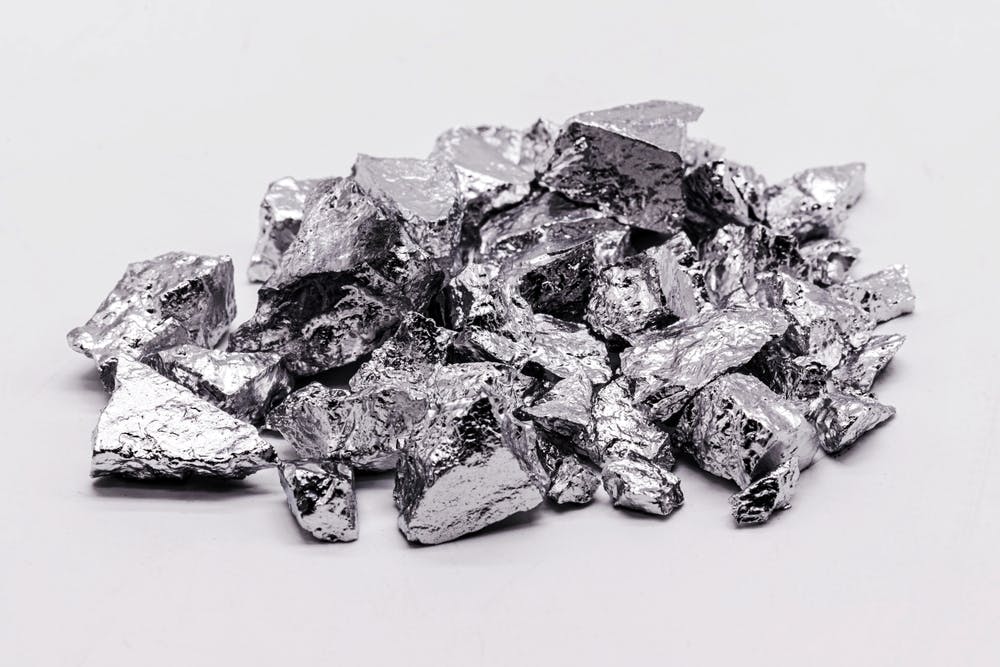
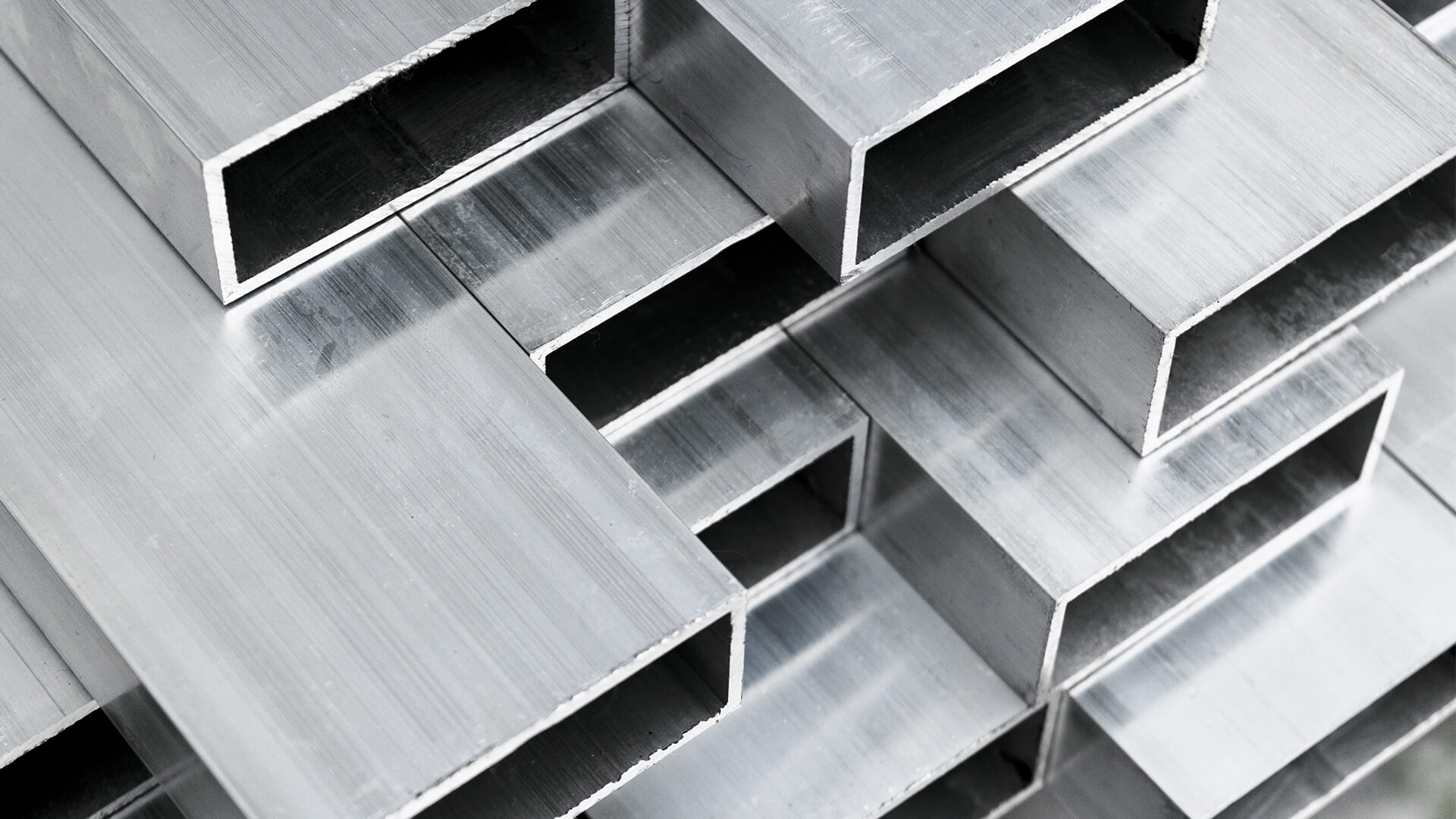
And finally, aluminum boasts a shiny, silvery appearance. This is due to its ability to reflect light. This aesthetic appeal, combined with its other properties, makes it a popular choice for decorative applications.
Chemical Properties: A Reactive Rebel (Sort Of)
Now, let’s talk chemistry. Aluminum is a pretty reactive metal, meaning it likes to react with other substances. But wait, isn't it corrosion-resistant? Confused? Here's the secret:
Aluminum forms a thin, protective oxide layer on its surface when exposed to air. This layer is super strong and prevents further corrosion. Think of it as aluminum's built-in shield. This is why aluminum doesn't rust like iron. That oxide layer is the unsung hero keeping your favorite aluminum products looking good!
Aluminum also reacts with acids and alkalis, but the oxide layer slows down these reactions. This means you can use aluminum cookware with most foods without worrying about it dissolving (phew!). However, highly acidic or alkaline substances might damage the protective layer over time, so it’s best to avoid prolonged exposure.
Another key chemical property is its ability to act as a reducing agent. In simple terms, this means it can steal oxygen from other substances. This is used in various industrial processes, like the thermite reaction, which produces intense heat – perfect for welding and other applications. Think dramatic sparks and molten metal!

Here’s a fun fact: Aluminum is also recyclable! Recycling aluminum requires only about 5% of the energy needed to produce new aluminum. So, tossing that aluminum can in the recycling bin is a seriously good move for the planet. Be a recycling superhero!
Practical Tips and Aluminum in Your Life
So, how does all this aluminum knowledge apply to your daily life? Here are a few quick tips:
*Cooking with Aluminum: Avoid storing highly acidic foods (like tomatoes or citrus fruits) in aluminum containers for extended periods. Use non-scratch utensils to prevent damaging the protective oxide layer on aluminum cookware.
Cleaning Aluminum: Use mild soap and water to clean aluminum surfaces. Avoid harsh abrasives that can scratch the surface.
*Recycling: Always recycle aluminum cans and foil. It's a small act with a big impact!
The Aluminum Connection
From the skyscrapers that dot our skylines to the smartphones in our pockets, aluminum plays a crucial role in modern life. Understanding its physical and chemical properties not only gives us a deeper appreciation for this versatile metal, but also empowers us to use it more effectively and responsibly. Next time you grab a can of soda or admire a sleek aluminum design, remember the fascinating science behind it. It's everywhere, silently making our lives lighter, stronger, and a little bit shinier.