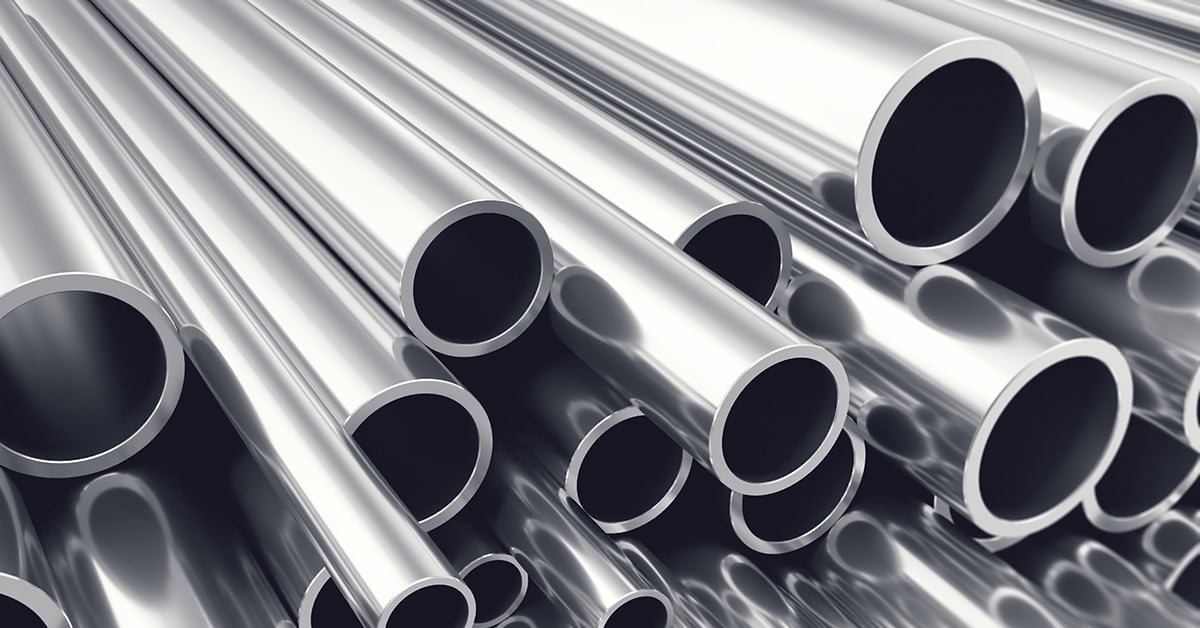
Alloy Steel For The Weapons Manufacturing Industry

Ever wonder what makes some swords stronger than others, or why a rifle barrel can withstand incredible pressure? The answer often lies in the fascinating world of alloy steel. We're not just talking about plain old steel here; we're diving into a specially crafted material, tweaked and enhanced for one of the most demanding applications imaginable: the weapons manufacturing industry. It's a topic that might seem niche, but understanding alloy steel unveils fundamental principles of materials science and engineering, relevant far beyond the battlefield.
So, what's the big deal about alloy steel? In a nutshell, it's steel with added elements, like chromium, nickel, manganese, or vanadium, to significantly improve its properties. The primary purpose in weapons manufacturing is to create components that are incredibly strong, durable, and resistant to wear, tear, and extreme temperatures. Think about it: a sword that shatters on impact is useless, and a gun barrel that overheats and warps is dangerous. Alloy steels, with their superior tensile strength, hardness, and corrosion resistance, mitigate these risks.
The benefits are manifold. Increased strength allows for thinner, lighter weapons without sacrificing performance. Enhanced durability ensures a longer lifespan and reduces the likelihood of failure in critical situations. Heat resistance allows weapons to withstand prolonged use without losing their effectiveness. And corrosion resistance protects against environmental factors that could compromise the weapon's integrity. Essentially, alloy steel makes weapons safer, more reliable, and more effective.
Must Read
While you might not encounter alloy steel weaponry in your daily life (hopefully!), the principles behind its creation are all around us. In engineering education, students learn about alloying elements and their effects on steel properties, using alloy steel samples to conduct experiments and understand material behavior under stress. Even in your car, components like suspension springs, gears, and engine parts utilize alloy steels for their strength and durability. The same principles that make a strong sword also contribute to a reliable vehicle.
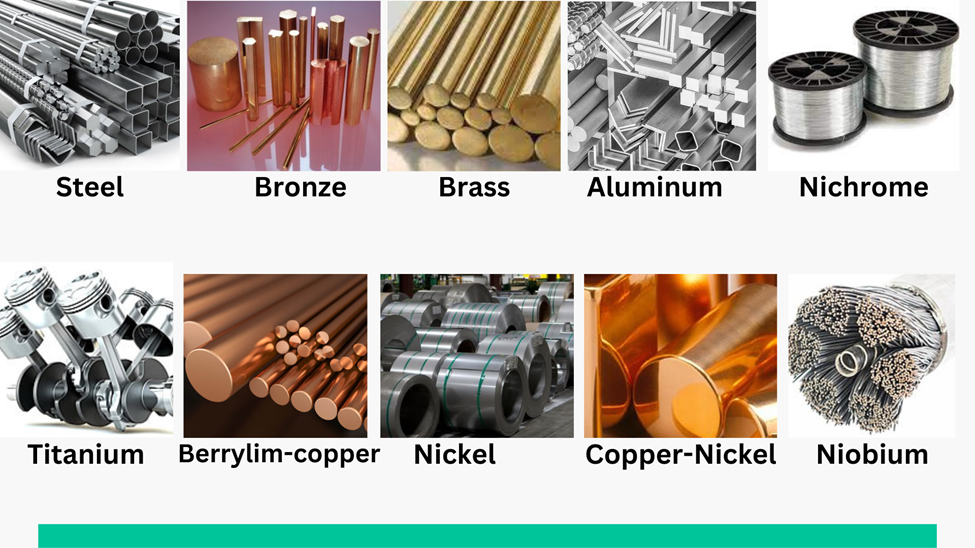
How can you explore this topic further? A simple start is researching different types of alloy steels and their specific applications. Look into common alloys like chromium-vanadium steel or nickel-chromium-molybdenum steel and see where they are used. Museum visits can also offer insights. Many museums display historical weapons, and while they may not explicitly detail the specific alloy composition, examining their craftsmanship and considering the materials used can be thought-provoking. You can also find numerous online resources, from scientific journals to informative blog posts, that delve into the complexities of alloy steel.
Another fun activity is to compare the specifications of different knives. Many high-quality knives boast about their steel composition. See if you can identify the alloying elements and research what properties they contribute. This will give you a practical understanding of how alloying affects the performance of a real-world tool. Exploring the world of alloy steel might seem specialized, but it reveals a fascinating connection between materials science, engineering, and even history. So, dive in and see what you can discover!