All Of The Following Are Fossil Fuels Except

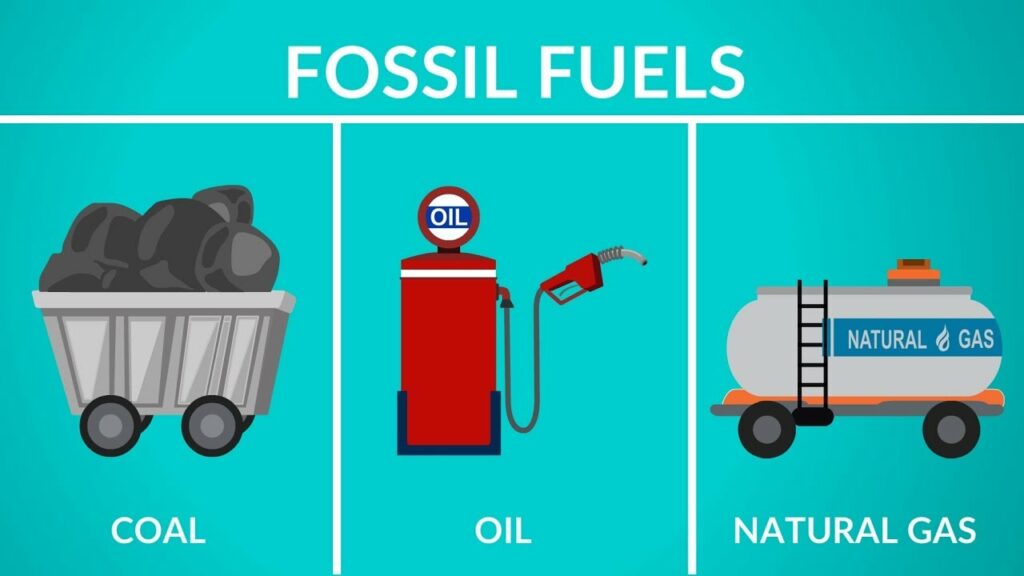
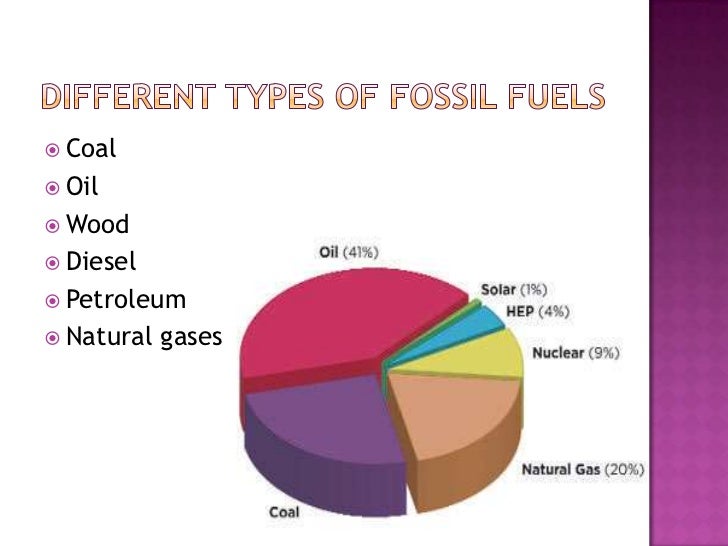
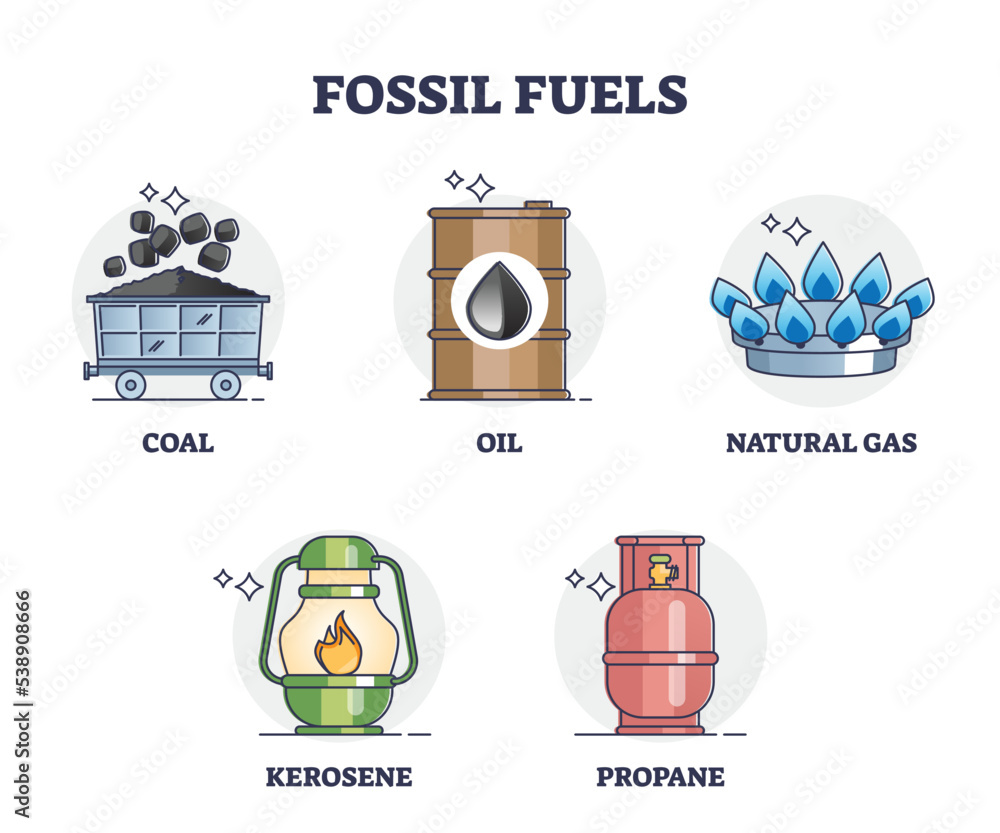
Let's play a little game! Which of the following is not a fossil fuel: coal, oil, natural gas, or sunshine? If you answered sunshine, give yourself a gold star! But today, we're not diving deep into environmental science. Instead, we're basking in the creative glow of…sun prints! Yes, that magical process of capturing the sun's energy to create beautiful, unique images on fabric or paper. It's a craft that's been around for ages, yet it still feels utterly modern and endlessly captivating.
For artists, hobbyists, and even the casually curious, sun printing offers a wealth of benefits. Think of it as a low-tech, high-reward way to express your creativity. It's accessible. You don't need expensive equipment or a fancy studio. It's forgiving. Mistakes often lead to unexpected and delightful results. And it's mindful. The process encourages you to slow down, observe the world around you, and appreciate the simple beauty of nature.
The possibilities are truly endless. Style-wise, you can go for a crisp, graphic look using stencils and geometric shapes. Or, embrace a more organic, free-flowing aesthetic with leaves, flowers, and feathers. Subject-wise, the world is your oyster! Consider capturing the delicate veins of a leaf, the intricate patterns of lace, or the bold silhouette of a childhood toy. Explore variations by using different types of fabric or paper to see how they affect the final image. Experiment with different exposure times to achieve varying shades of blue (or whatever color your cyanotype solution produces!). For instance, try making a sun print with pressed wildflowers for a vintage, romantic feel. Or create a modern abstract piece by overlapping cut-out shapes. You could even print family photos onto fabric squares and sew them together for a truly unique quilt.
Must Read
Ready to give it a try at home? Here's a simplified breakdown: First, you'll need your cyanotype solution (easily found online or at craft stores). Apply the solution evenly to your chosen fabric or paper, and let it dry completely in a dark room. Next, arrange your chosen objects on the sensitized surface. Place a piece of glass or clear acrylic over the objects to ensure they stay flat and in place. Now, it's time to harness the power of the sun! Expose your print to direct sunlight for a specified amount of time (usually a few minutes to a few hours, depending on the intensity of the sun). Finally, rinse your print thoroughly with water to remove the unexposed solution and reveal your beautiful, sun-kissed creation. Remember to wear gloves and eye protection when working with the cyanotype solution. And always read and follow the manufacturer's instructions carefully.
Ultimately, sun printing is enjoyable because it connects us to something bigger than ourselves. We're harnessing the energy of the sun, the very force that sustains life on Earth, to create art. It's a reminder of the power and beauty of nature, and a chance to slow down, experiment, and tap into our own innate creativity. So, step outside, soak up the sun, and let your imagination run wild! You might just surprise yourself with what you can create.