
Aleve 220 Mg Dosage Per Day

Ever popped an Aleve and felt like a superhero? You're not alone!
The Mighty 220 mg: A Tiny Pill with Big Power
We're talking about Aleve, specifically the 220 mg dosage, and how to navigate its daily dance. Think of it as your body's little helper, but like any good sidekick, it needs instructions.
It’s a common over-the-counter pain reliever, and it works wonders for many people. But how much is too much? Let's explore the world of Aleve and its daily limits.
Must Read
Decoding the Dosage: It's Not Rocket Science (But Close!)
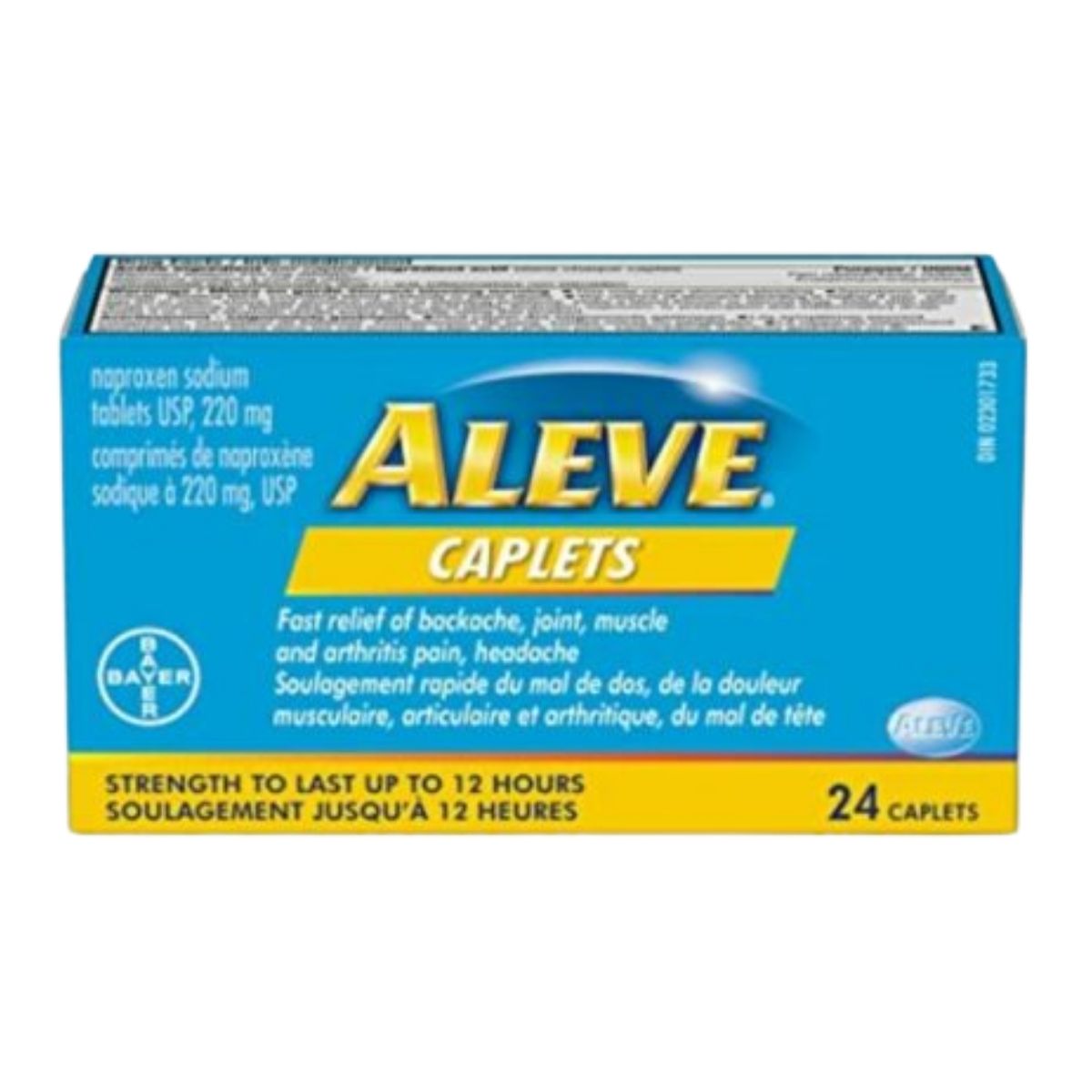
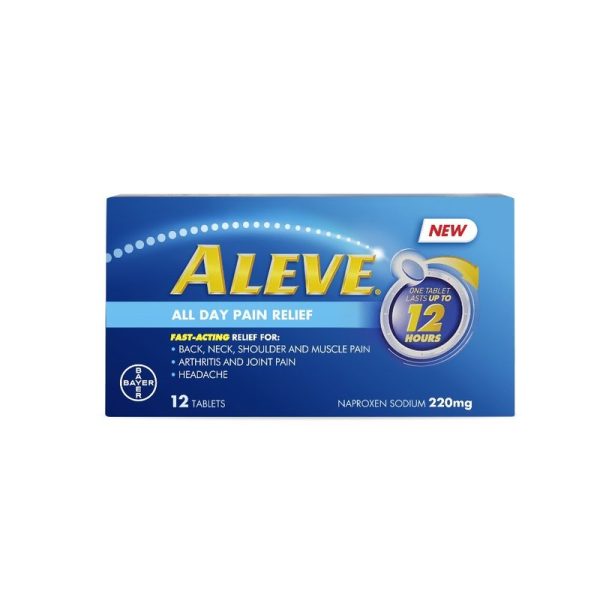
The general rule of thumb for adults is to start with one 220 mg tablet. It can be taken every 8 to 12 hours, but wait, there's a maximum!
Don’t get over excited and swallow the whole bottle! You're limited to a maximum of three tablets in a 24-hour period. Yes, only three!
That's a grand total of 660 mg in a single day. Remember, more isn't always better; it's about finding the sweet spot.
When to Call in the Big Guns (Your Doctor, That Is)
If the pain is a persistent house guest, it's time to call the landlord – your doctor. Don't just keep upping the Aleve hoping for a miracle.
If you find yourself reaching for more than the recommended dose, have a serious chat with your healthcare provider. They can help you figure out what's really going on.
There might be an underlying issue that Aleve can't fix, and it's crucial to get it checked out.
Listen to Your Body: It's Smarter Than You Think
Pay attention to how your body reacts to Aleve. Is it a gentle breeze of relief, or are there some rumblings of discomfort?
Everyone is different, and what works for your neighbor might not work for you. Some people might be more sensitive and need to adjust the dosage or frequency.
If you experience any unusual side effects, such as stomach pain, nausea, or heartburn, stop taking Aleve and consult your doctor.
Mixing and Matching: A Risky Game
Be cautious about mixing Aleve with other medications. It's like trying to juggle flaming torches while riding a unicycle - potentially disastrous!
Certain medications, like blood thinners, can interact with Aleve and increase the risk of bleeding. Always consult your doctor or pharmacist before combining medications.
They can help you avoid any potentially harmful interactions and ensure your safety.
The Long-Term Game: Not a Marathon Runner
Aleve isn't meant to be a long-term solution for chronic pain. It's more like a helpful pit stop during a race.
If you find yourself relying on it for weeks or months, it's time to explore other options with your doctor. There are many strategies to manage chronic pain that don't involve popping pills every day.
These can include physical therapy, exercise, or alternative therapies.
The Fine Print: Reading is Fundamental (and Slightly Boring)
Always read the label carefully before taking Aleve. It might seem like a tedious task, but it's important.
The label contains crucial information about dosage, warnings, and potential side effects. Don't skip over it like you're avoiding a pop-up ad!
It's better to be informed and safe than sorry later.
Beyond the Pill: A Holistic Approach
Sometimes, pain relief isn't just about popping a pill. Think of Aleve as one piece of a larger puzzle.
Lifestyle factors like diet, exercise, and stress management can play a significant role in managing pain. Consider adding yoga, meditation, or a healthy diet to your routine.
These practices can help reduce inflammation, improve sleep, and boost your overall well-being.
Hydration is Key: Keep the Water Flowing
Drinking plenty of water is essential when taking Aleve. Think of it as flushing out the system.
Water helps to protect your kidneys and prevent dehydration. Aim for at least eight glasses of water per day, especially if you're taking pain relievers.
Your body will thank you for it!
Food for Thought: Timing is Everything
Taking Aleve with food can help to reduce the risk of stomach upset. It's like giving your tummy a little cushion.
If you have a sensitive stomach, it's always a good idea to take it with a meal or snack. This can help prevent nausea and heartburn.
Think of it as a win-win situation – you get pain relief and avoid digestive discomfort.
A Word of Caution: Watch Out for the Telltale Signs
Pay attention to any warning signs that might indicate a problem. If you experience chest pain, shortness of breath, or black stools, seek medical attention immediately.

These symptoms could indicate a serious side effect or an underlying medical condition. Don't ignore them!
It's better to be safe than sorry when it comes to your health.
The Power of Prevention: Stop Pain Before It Starts
Sometimes, the best way to manage pain is to prevent it from happening in the first place. This can be a major win.
Practice good posture, use proper lifting techniques, and take breaks during repetitive activities. These simple steps can help prevent injuries and reduce the need for pain relievers.
Consider this to be an investment in your long-term well-being!
Age Matters: Little Ones and Seniors
Aleve is not recommended for children under the age of 12. Their bodies are still developing, and it's important to avoid unnecessary medications.
Seniors may be more sensitive to the effects of Aleve and may need to adjust their dosage. They may also be taking other medications that could interact with Aleve.
Always consult a doctor or pharmacist before giving Aleve to children or seniors.
Alternative Options: Explore Your Choices
If Aleve isn't working for you, or if you're concerned about side effects, there are other options available. Don't feel like you're stuck with a single solution.
Talk to your doctor about other pain relievers, physical therapy, or alternative therapies. There's no harm in exploring different approaches.
The goal is to find a solution that works best for you and helps you manage your pain effectively.
The Mind-Body Connection: Harness the Power of Your Brain
Don't underestimate the power of your mind in managing pain. It's a powerful tool.
Techniques like meditation, mindfulness, and deep breathing can help to reduce pain perception and promote relaxation. These practices can be used in conjunction with Aleve or as an alternative.
Think of it as training your brain to become your own personal pain reliever.
Don't Be a Hoarder: Dispose of Unused Medication
Get rid of any unused Aleve safely. Don't let it linger in your medicine cabinet. You can give this one a miss.
Follow the instructions on the label or contact your local pharmacy for proper disposal methods. This helps prevent accidental ingestion or misuse.
It's a responsible way to protect your family and community.
The Bottom Line: Use Wisely and Listen Carefully
Aleve can be a helpful tool for managing pain, but it's important to use it wisely. Think of it as a partner and not a silver bullet.
Pay attention to the dosage, listen to your body, and consult your doctor if you have any concerns. Be smart, and be well.
With a little knowledge and caution, you can use Aleve safely and effectively to get back to doing the things you love.