Air Purifier For Poor Air Quality

Ever walked into a room and felt that indefinable "stuffiness"? Or maybe you’ve caught a sunbeam illuminating a fascinating, swirling ballet of dust motes you never knew were there? It’s a bit of an eye-opener, isn't it, realizing we live in a constant, invisible ocean of air that’s not always as pristine as we might imagine. That curiosity about our immediate environment is precisely why we're going to peek into the surprisingly simple yet utterly fascinating world of air purifiers.
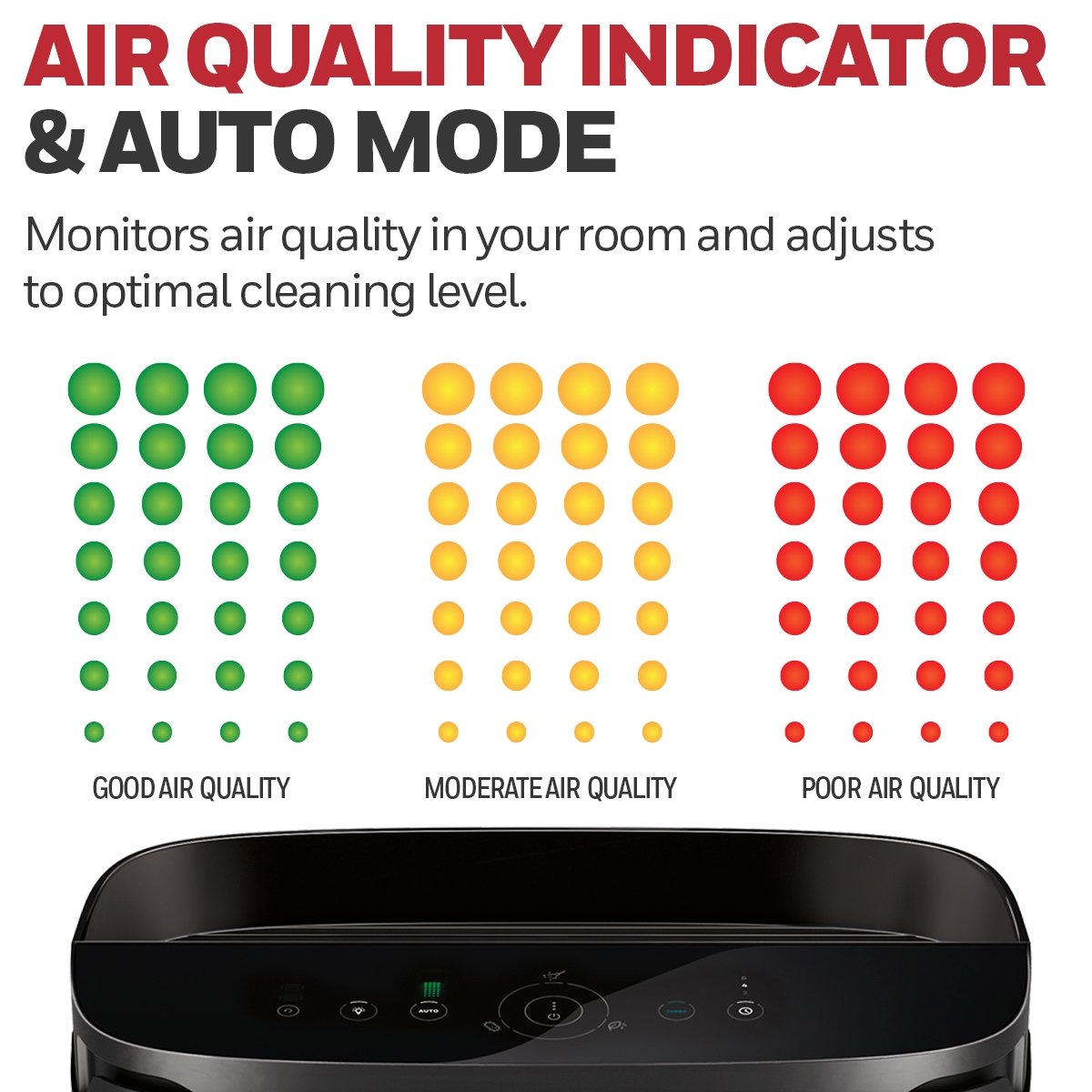
Think of an air purifier as your personal air-cleaning superhero. Its main mission? To suck in the air from a room, run it through a series of special filters, and then release much cleaner, fresher air back out. It's not magic, but it certainly feels a little like it! The purpose is straightforward: to tackle poor air quality. This could mean anything from everyday nuisances like dust, pollen, and pet dander to more insidious guests like smoke particles, cooking odors, volatile organic compounds (VOCs), and even some airborne bacteria and viruses. The benefits? Oh, they’re numerous! Imagine less sneezing and sniffing if you’re an allergy sufferer, a room that genuinely smells fresh even after cooking, or simply the peace of mind knowing that the air you and your loved ones are breathing is significantly purer. It’s all about creating a healthier, happier indoor environment.
So, where do these nifty gadgets fit into our daily lives? Everywhere, potentially! In the bedroom, an air purifier can be a game-changer for someone plagued by nighttime allergies, helping to ensure a more restful sleep. Parents often place them in nurseries or children's rooms to protect little lungs from common irritants. Pet owners swear by them for tackling dander and those distinctive "doggy" or "kitty" smells that can permeate a home. Even in an educational context, while not directly used in classrooms often, an air purifier can be an intriguing focal point for a simple science lesson, sparking questions about air quality and the particles we unknowingly inhale. It teaches us to be more aware of the invisible world around us, highlighting how something as fundamental as the air we breathe can be managed and improved.
Must Read
Curious to explore this further? It’s easy! A great first step is to simply observe your own home. Do you notice a lot of dust settling? Are there lingering odors from cooking or pets? This can give you a clue about where an air purifier might make the biggest difference. If you're considering getting one, look for models with a HEPA filter (High-Efficiency Particulate Air) – these are the gold standard for trapping tiny particles. Many also include an activated carbon filter for odors and gases. A simple way to dive deeper is to get a small, affordable indoor air quality monitor. These little devices can show you the levels of pollutants like PM2.5, giving you a tangible sense of what you're up against and how an air purifier can make a real difference. And the most practical tip of all? Remember to change those filters regularly! It's like changing the oil in your car – crucial for keeping your air purifier running efficiently and ensuring it actually cleans your air. It's a small investment in knowing what you're breathing, and that's a curiosity worth satisfying.