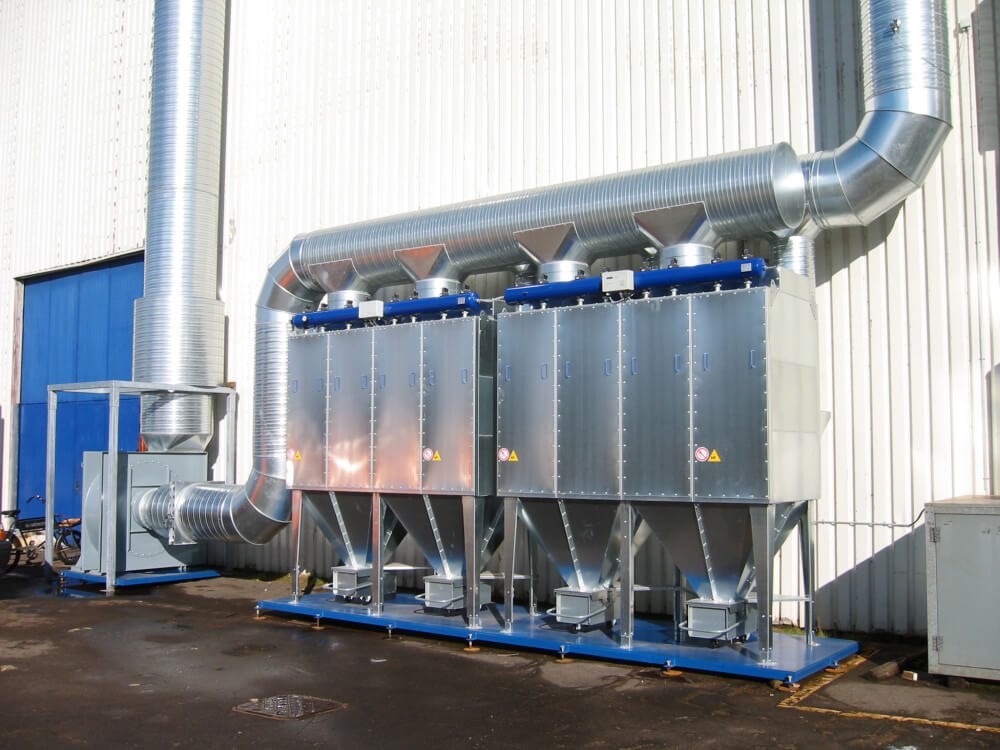
Air Filtration Solutions For The Power Industry

Ever feel like you're breathing in pure delicious... dust? Yeah, me too. Especially when I'm trying to unclog the dryer vent – it's like a personal dust storm in there. Now, imagine that, but on a gigantic scale. That's kinda what the power industry deals with, only instead of dusty lint, they're battling way more serious stuff.
Think about it. Power plants, whether they're burning natural gas or harnessing the awesome power of water (hydroelectric, baby!), are constantly ingesting air. And that air ain't always sunshine and rainbows. It's got all sorts of funky particles floating around, ready to wreak havoc on delicate machinery.
The Sneaky Culprits: What's in the Air?
So, what exactly are these pesky airborne invaders? Well, picture this: you’re planning a picnic, but your invited guests include: dust (the annoying uncle who tells the same story every year), pollen (the clingy cousin who won't leave you alone), and corrosive gases (the distant relative who spills red wine on your white rug). Not exactly the dream team, right?
Must Read
In a power plant, these “guests” can cause some serious problems. Dust and pollen can clog up turbines and generators, making them less efficient. It’s like trying to run a marathon with a sock stuffed in your mouth – not gonna be pretty. And corrosive gases? They can eat away at equipment, leading to expensive repairs and downtime. Nobody wants that!
Air Filtration: The Power Industry's Superhero
That's where air filtration swoops in to save the day! Think of it as the power industry’s super-powered vacuum cleaner. It sucks up all the bad stuff, leaving behind clean, healthy air for the machines to "breathe."
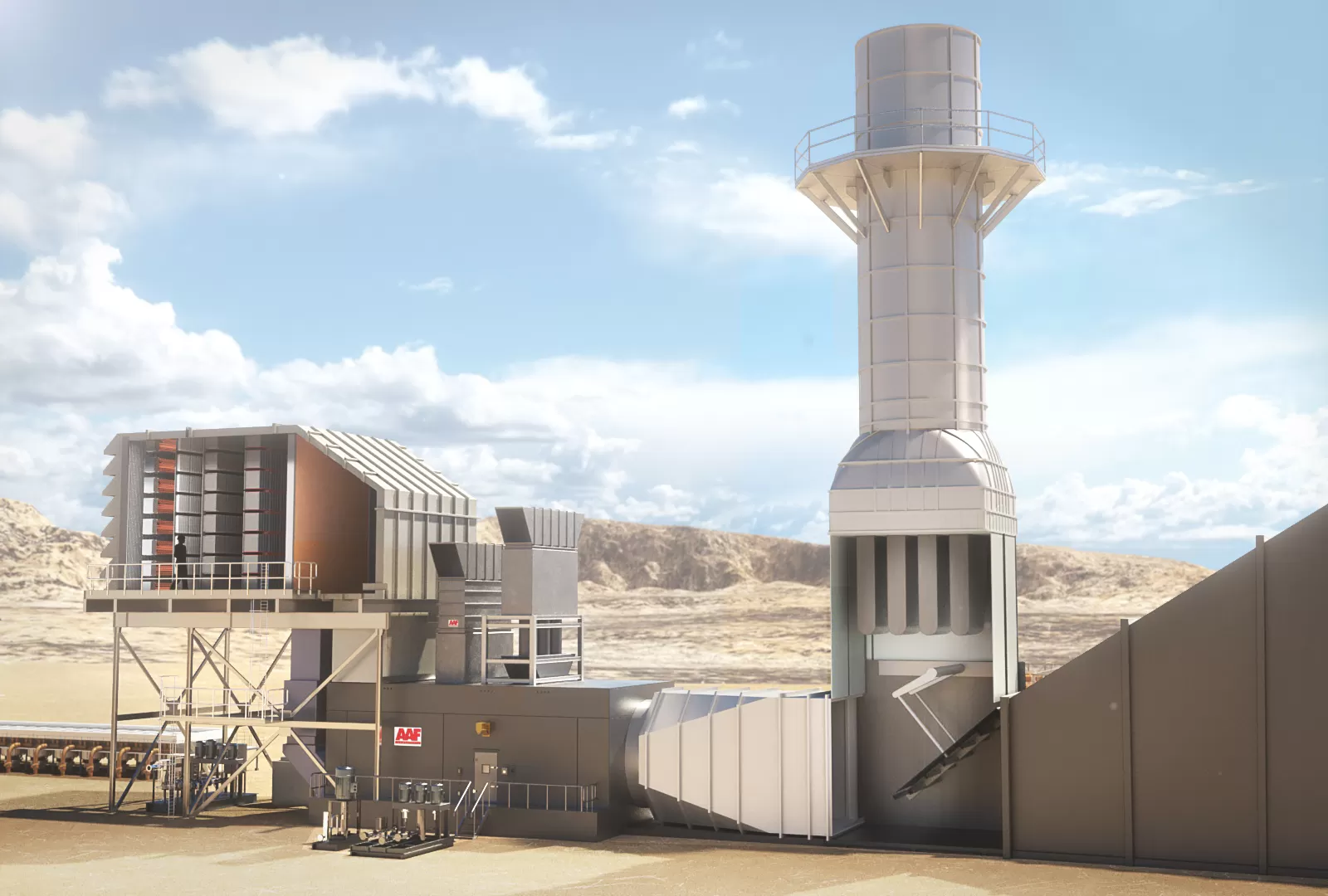
But it's not just any old vacuum cleaner. We're talking high-tech filtration systems designed to capture even the tiniest particles. We’re talking serious stuff. We're talking filters so fine, they can probably trap the existential dread I feel every Monday morning. (Okay, maybe not that fine, but you get the idea.)
These filtration systems come in all shapes and sizes, depending on the specific needs of the power plant. Some use massive filters that look like giant accordions, while others employ electrostatic precipitators, which use electricity to zap particles right out of the air. It's like a sci-fi movie, but for clean air!
Why Bother? The Real-World Impact
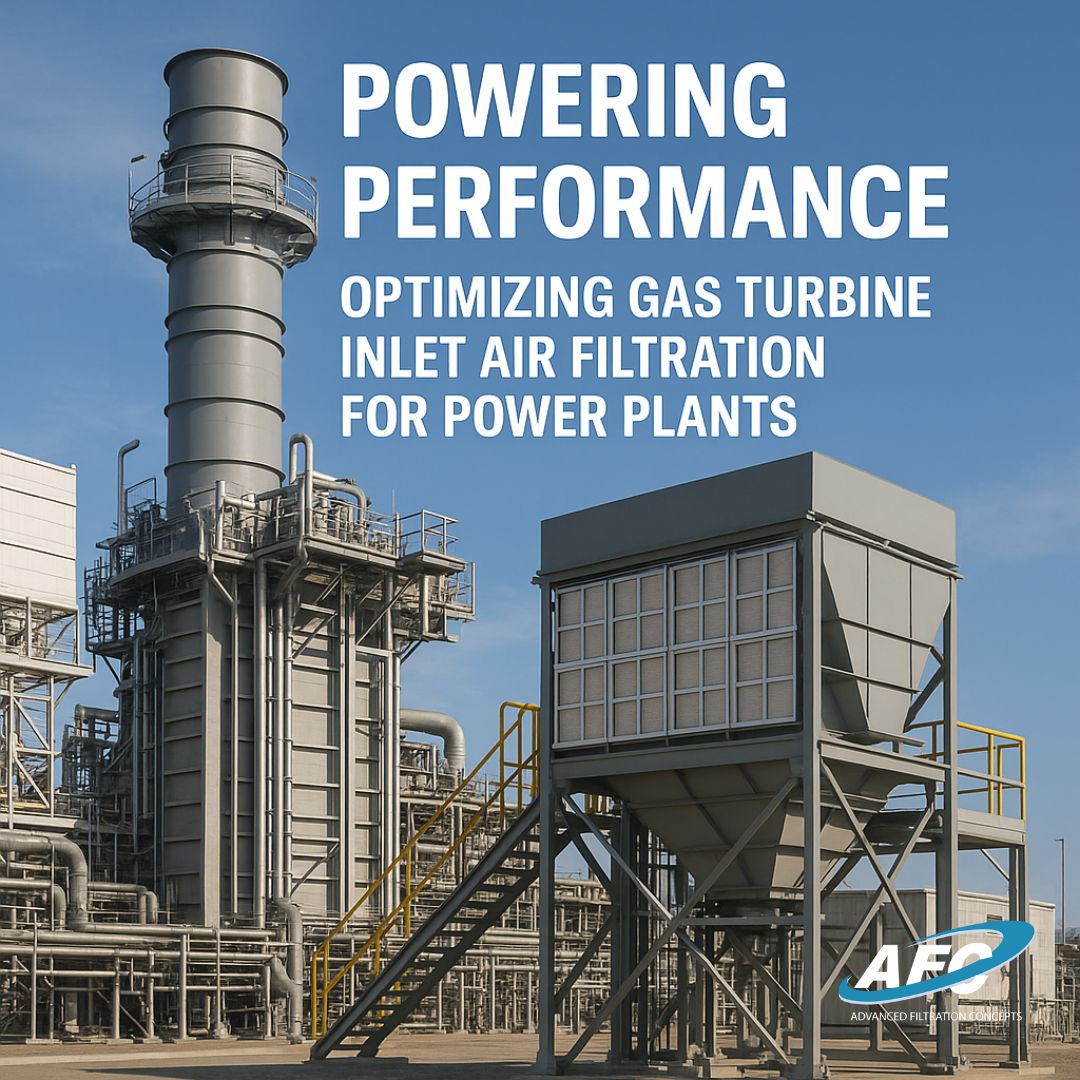
Now, you might be thinking, "Okay, clean air is nice, but why all the fuss?" Well, consider this: when power plants run efficiently, they produce more electricity with less fuel. That means lower energy costs for you and me. It also means less pollution in the air, which is good for everyone's health. It's a win-win!
Plus, protecting expensive equipment from damage extends the lifespan of power plants and minimizes downtime. Think of it like changing the oil in your car – it keeps things running smoothly and prevents major breakdowns down the road. Only on a much, much grander (and more expensive) scale.
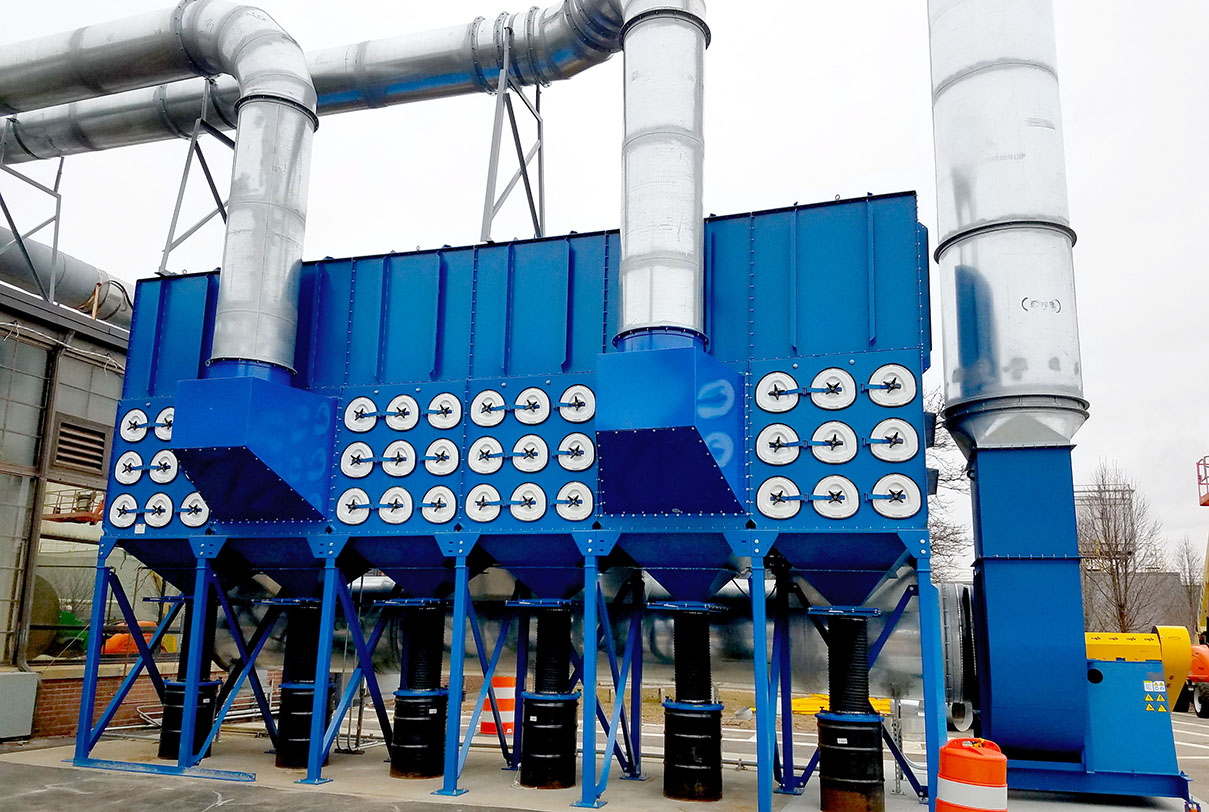
In short, air filtration is a critical part of keeping the power industry humming. It protects equipment, saves money, and helps keep our air clean. So, next time you flip on a light switch, remember the unsung heroes of the power industry – the air filtration systems that are working tirelessly to keep the lights on and the air breathable. They're like the ninjas of clean air, quietly making a difference behind the scenes.
And hey, maybe we should all try to be a little more like those air filtration systems – always striving to clean up our own little corners of the world. One dryer vent at a time!