Air Conditioner Is Not Cooling To Set Temperature
Let's face it, nobody likes a sweaty summer. That's why a properly functioning air conditioner is less of a luxury and more of a necessity for many of us. But what happens when you crank up the AC, set it to your ideal temperature, and… nothing? It just keeps blowing lukewarm air. Don't sweat it (pun intended!). Figuring out why your AC isn't cooling to the set temperature is a surprisingly common issue, and often, the fix is easier than you think. Think of it as a little home improvement detective work – you get to play sleuth and potentially save some money on a repair bill. Plus, who doesn't love the feeling of accomplishment that comes with fixing something yourself?
Why is this information useful? For beginners, understanding basic AC troubleshooting empowers you to avoid unnecessary calls to HVAC technicians. For families, a functioning AC means a comfortable and healthy home environment, especially for young children and the elderly. And for the DIY enthusiast, diagnosing and potentially fixing AC issues yourself can be a satisfying and cost-effective hobby. It’s also about energy efficiency; an underperforming AC works harder and uses more electricity, costing you money in the long run.
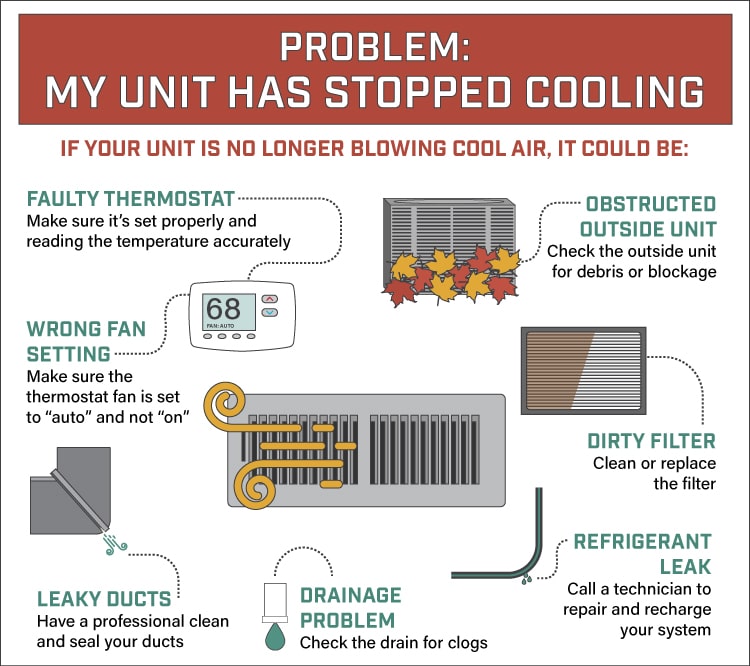
So, what could be the culprit? There are several common reasons why your AC might be struggling. A dirty air filter is a frequent offender. Think of it like trying to breathe through a clogged mask. The AC has to work harder to pull air through, reducing its cooling efficiency. Another common issue is blocked outdoor unit coils. These coils need to dissipate heat, and if they're covered in dirt, leaves, or debris, they can't do their job properly. A refrigerant leak, while more serious, can also cause a significant drop in cooling power. Finally, sometimes it's as simple as incorrect thermostat settings or a closed vent in a room you're trying to cool.
Must Read
Here are a few simple, practical tips to get started:
- Check the air filter: Replace it every 1-3 months, or more frequently if you have pets or allergies.
- Clean the outdoor unit: Gently spray the coils with a hose to remove dirt and debris. Be careful not to damage the fins.
- Inspect your thermostat: Make sure it's set to "cool" and the temperature is lower than the current room temperature.
- Ensure vents are open: Check that all vents in the rooms you want to cool are open and unobstructed.
- Check for ice buildup: If you see ice on the refrigerant lines, turn off the AC and call a professional. This could indicate a more serious issue.
Troubleshooting your AC can be a rewarding experience. By taking a proactive approach and following these simple steps, you can often resolve common cooling problems yourself. You'll not only save money but also gain a better understanding of how your AC system works. And, of course, you'll get to enjoy the sweet, sweet relief of a perfectly cooled home during those hot summer days. So, grab your screwdriver (and maybe a cold drink), and get ready to reclaim your comfortable indoor oasis!