
Air Conditioner Cold Downstairs Warm Upstairs
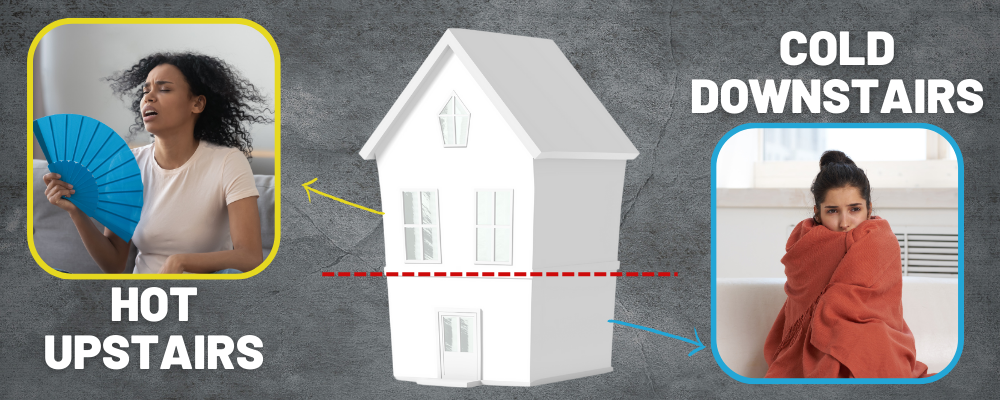
Okay, picture this: I'm nestled downstairs, practically wearing a parka in July. My teeth are chattering, I'm considering investing in a heated blanket just for summer, and the AC is blasting. Then, I venture upstairs. BAM! It's like walking into a tropical rainforest. Suddenly, I'm sweating, my glasses are fogging up, and I'm convinced I've accidentally stumbled into the wrong house. Sound familiar? I bet it does.
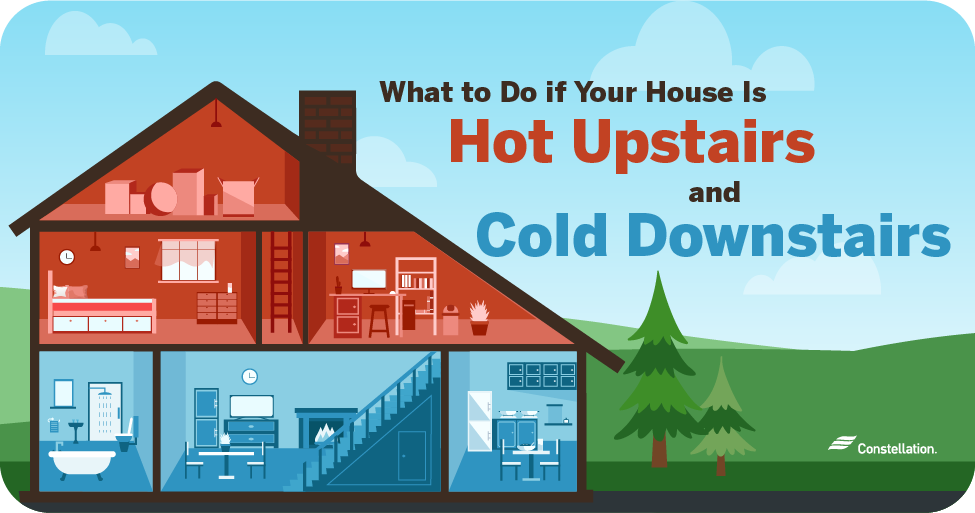
This whole "ice age downstairs, sauna upstairs" phenomenon is a classic AC problem. It's frustrating, inefficient, and frankly, a little annoying. (Understatement of the year, am I right?) But the good news is, there are usually some pretty common culprits behind it, and understanding them is the first step to reclaiming your home's temperature sanity.
The Usual Suspects: Why the Temperature Discrepancy?
So, what's causing this thermal tug-of-war? Let's break it down.
Must Read
1. Hot Air Rises, Cold Air Sinks: The Laws of Physics Strike Again. This is the most basic reason. Hot air is less dense than cold air, so it naturally rises. Which means, all that lovely, cool air your AC is pumping out downstairs is happy to stay put, while the hot air upstairs throws a party.
2. Ductwork Issues: Leaks, Blockages, and the Great Escape. Your ductwork is the highway system for your AC's precious cold air. If there are leaks, kinks, or blockages, that air isn't going to reach its destination efficiently. Think of it like trying to deliver pizza on a bicycle with a flat tire. (Nobody wants that! Especially not pizza!)

3. Insulation Woes: Feeling Exposed (and Not in a Good Way). Insulation is your home's cozy blanket. Without it, your home loses heat in the winter and gains heat in the summer. If your upstairs is poorly insulated, it's going to be significantly warmer than your well-insulated downstairs. Especially the attic. Don't get me started on attics.
4. Closed Vents: The Silent Saboteurs. Ever close vents in unused rooms to "save energy"? Turns out, that might be backfiring. Closing vents restricts airflow, which can increase pressure in your ductwork and make your AC work harder overall. Plus, it doesn't actually save that much energy. (Sorry to burst your bubble!)
5. Sunlight Sensitivity: The Upstairs Bake-Off. Upstairs rooms often have more windows and are more exposed to direct sunlight. This means they're absorbing more heat during the day, making them harder to cool down. Think of it like leaving your car in the sun on a summer day – you're going to need oven mitts to drive!

Fighting Back: How to Even Out the Temperature
Okay, so now that we know what's going on, what can we do about it?
1. Ductwork Detective: Seek and Seal. Get your ductwork inspected for leaks. Sealing leaks can make a HUGE difference in efficiency. Professionals can use specialized equipment to find and seal even the smallest leaks. (Think of it as ductwork plastic surgery.)
2. Insulation Invasion: Fortify Your Fortress. Add insulation to your attic and walls, especially upstairs. This will help keep the heat out in the summer and the cold out in the winter. Your future self (and your wallet) will thank you.
3. Fan-tastic Solutions: Circulate, Circulate, Circulate! Use ceiling fans to circulate the air. In the summer, make sure they're rotating counter-clockwise to push cool air down. A simple fan can make a surprisingly big difference. (It's like giving your AC a helping hand.)
4. Zone In: Consider a Zoned System. If you're really serious about temperature control, look into a zoned HVAC system. This allows you to control the temperature in different areas of your home independently. It's a more expensive option, but it can be worth it if you have a large house or particularly stubborn temperature imbalances.
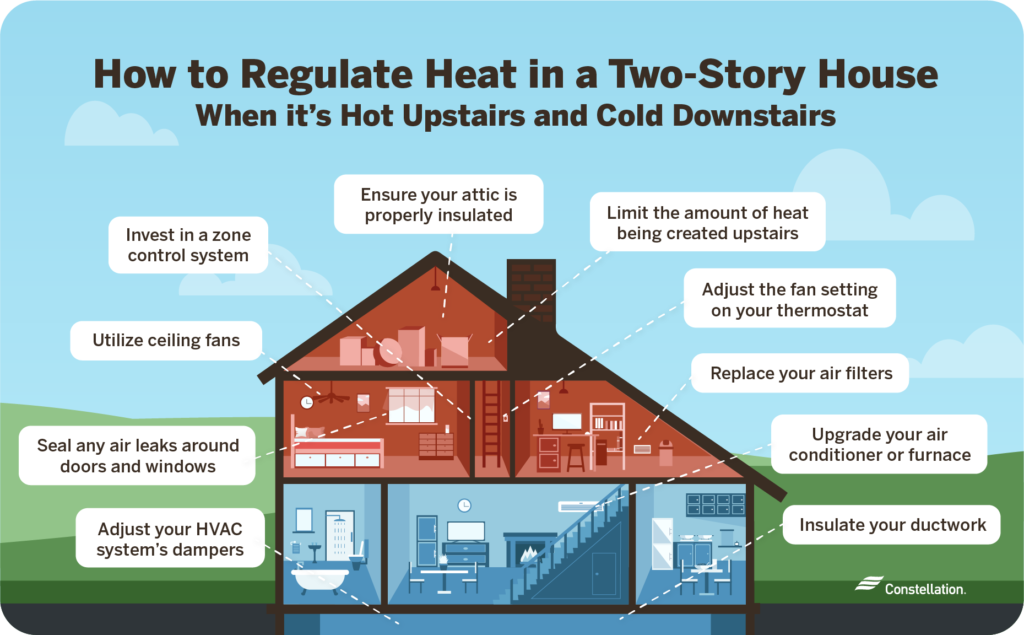
5. Smart Thermostat: The Brains of the Operation. A smart thermostat can learn your habits and adjust the temperature accordingly. Some can even detect when you're not home and automatically lower the temperature to save energy. (Basically, a robot butler for your AC.)
6. Window Wisdom: Embrace the Shade. Use curtains, blinds, or shades to block out direct sunlight, especially during the hottest parts of the day. Blackout curtains are particularly effective. Think of them as sunglasses for your house.
Dealing with an AC that’s chilling downstairs while baking upstairs is definitely a drag, but armed with a little knowledge and some simple fixes, you can create a more comfortable and energy-efficient home. So, go forth and conquer that temperature imbalance! You got this!