
After A Tooth Extraction When Can I Drink Soda
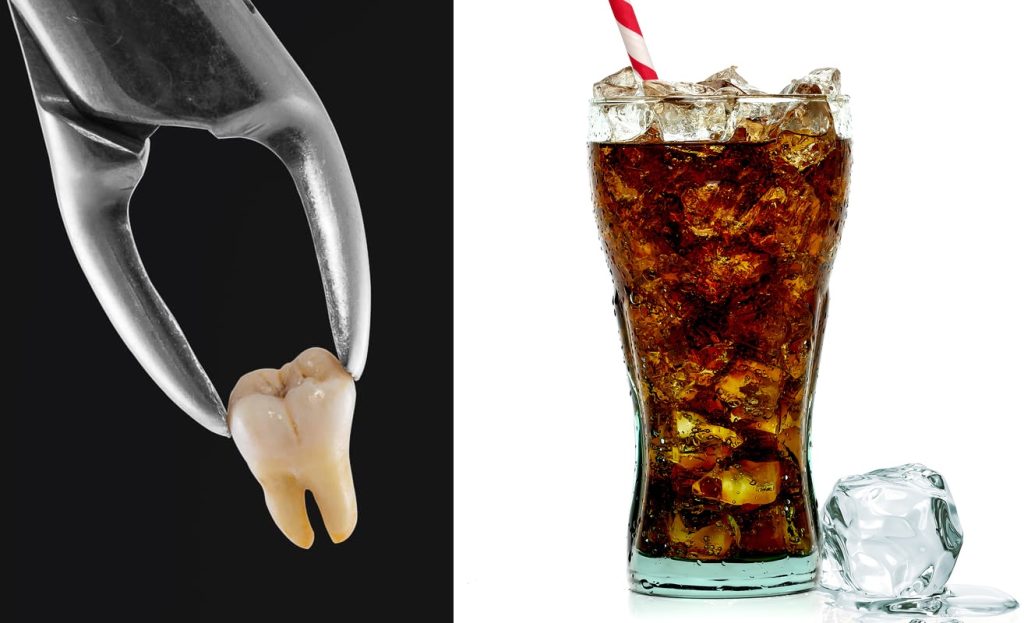
Okay, so you've just braved the dentist's chair and said "bye-bye" to a tooth. First of all, congratulations! You're officially a dental warrior. Now comes the important part: the recovery. And naturally, your first thought is probably, "When can I get back to enjoying the finer things in life, like... soda?!"
Let's dive into the fizzy facts, shall we?
The Danger Zone: First 24-48 Hours
Think of your mouth as a tiny battlefield right now. There's a wound where your tooth used to be, and you need to let it heal. The first 24-48 hours are crucial. This is when a blood clot forms – your body's natural bandage – to protect the bone and nerves. Messing with this clot is a big no-no and can lead to a painful complication called "dry socket." Trust me, you don't want that. It's not a fun party.
Must Read
So, why is soda a potential villain in this scenario? Well, several reasons:
- Carbonation: Those bubbles can dislodge the clot. Imagine tiny little ninjas kicking the clot out of place. Not ideal.
- Sugar: Sugar is a feast for bacteria. And bacteria are not your friends when you're trying to heal. They can cause infection, which is the opposite of what we want.
- Acidity: Soda is acidic. Acidity can irritate the healing tissues and potentially dissolve the clot. Ouch!
Basically, during this initial period, stick to bland, soft foods and plenty of water. Think mashed potatoes, yogurt (unsweetened, of course!), and maybe some lukewarm broth. It's not the most exciting menu, I know, but it's temporary!

The Maybe-Okay Zone: Days 3-7
After the first 48 hours, things start to look a little brighter. The risk of dry socket decreases, but it's still important to be cautious. You might be thinking, "Aha! Soda time!" But hold your horses (or your cans).
If you really can't resist, and I mean really, really can't, you might be able to have a small sip of soda, but with some serious precautions:
- No straw! Straws create suction, which can dislodge the clot. Pretend straws don't exist for a while.
- Gently pour the soda into your mouth. Avoid swishing it around. Treat it like precious liquid gold (that you shouldn't really be drinking).
- Rinse your mouth gently with saltwater afterward. This helps neutralize the acidity and wash away any lingering sugar. But gently, remember? No vigorous swishing!
- Consider choosing a less acidic soda. Clear sodas like Sprite or 7-Up might be slightly better than dark colas. But honestly, water is still your best bet.
Listen to your body! If you feel any pain or discomfort after drinking soda, stop immediately! It's not worth risking your healing.
The (Almost) Back-to-Normal Zone: After a Week
After a week, you're usually in the clear to start reintroducing more normal foods and drinks, including… you guessed it… soda! But still, be mindful.

It's a good idea to start slowly. Don't chug a whole can on day eight! Ease back into it, and continue to practice good oral hygiene. Brush your teeth gently (avoiding the extraction site at first), floss carefully, and keep rinsing with saltwater.
Even though the risk of dry socket is significantly lower, it's always best to err on the side of caution. If you have any concerns or experience any pain, don't hesitate to contact your dentist. They're the experts!

The Bottom Line
Patience is key. While the temptation to indulge in a refreshing soda is strong, prioritizing your healing is more important. Think of it as a short-term sacrifice for long-term dental happiness. You've already conquered the tooth extraction – you can conquer this soda craving too!
And hey, think of all the new and exciting non-soda beverages you can discover in the meantime! Maybe you'll become a sparkling water connoisseur or a master of iced herbal teas. The possibilities are endless!
So, take it easy, follow your dentist's instructions, and before you know it, you'll be back to enjoying your favorite soda – responsibly, of course! You’ve got this!