Advantages Of Biomass Energy And Disadvantages
Let's talk about biomass! It's not just a fancy word for organic matter; it's a potentially game-changing energy source. Why is it so interesting? Well, in a world increasingly concerned about climate change and the search for sustainable energy, biomass is stepping into the spotlight. It's like turning yesterday's trash into tomorrow's treasure – or at least, tomorrow's electricity!
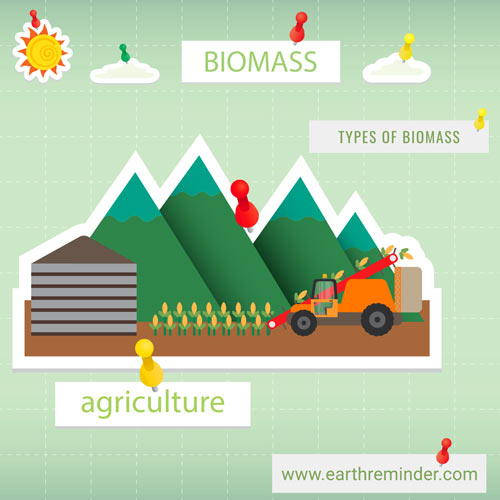
So, what exactly is biomass energy all about? Simply put, it's energy derived from organic materials like trees, crops, and even agricultural waste. Think of wood pellets heating your home, or biofuels powering your car. The purpose of using biomass energy is to create electricity, heat, or fuel by burning these materials, just like fossil fuels, but with some crucial differences.
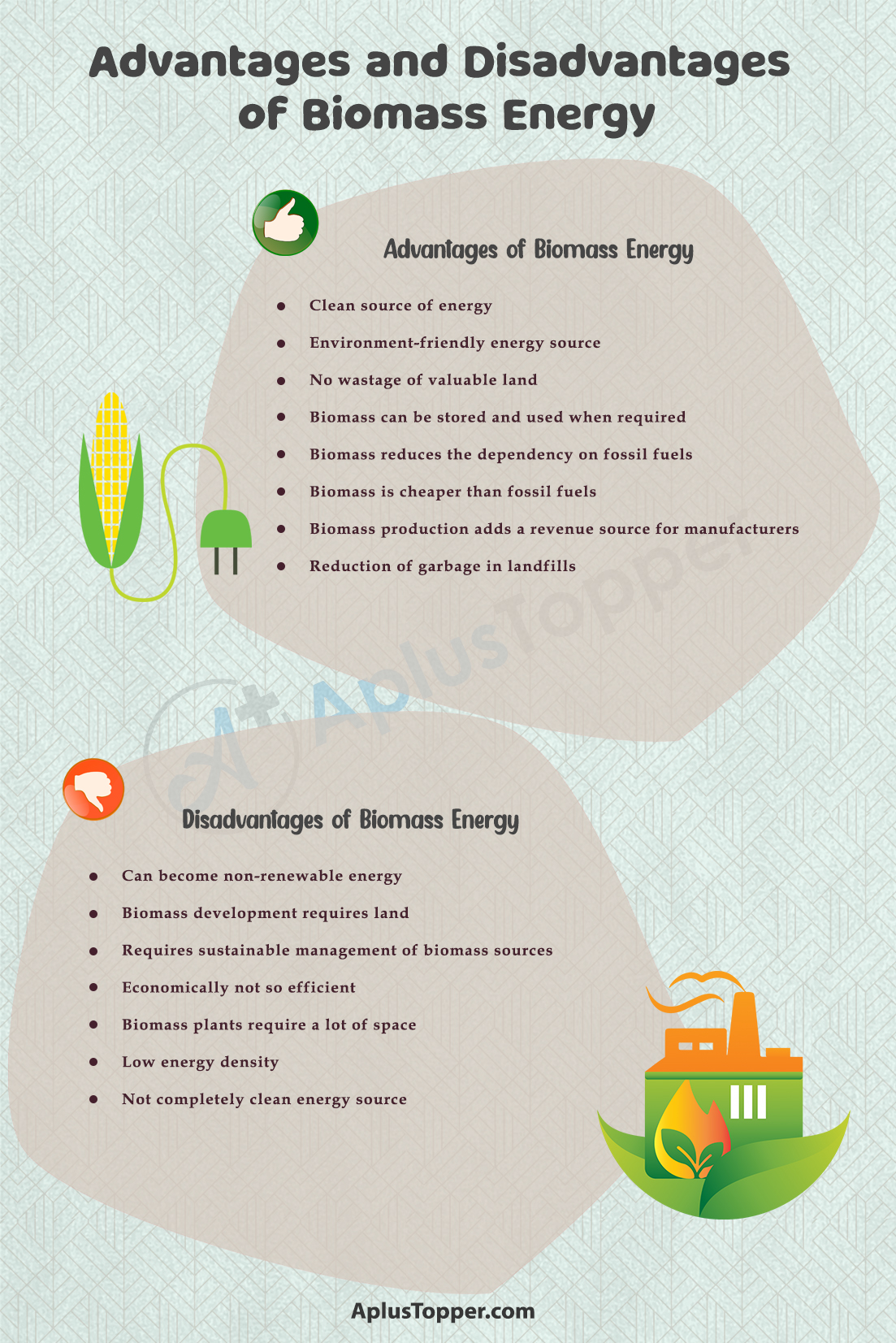
One of the biggest advantages of biomass is its potential for being carbon neutral. Trees and plants absorb carbon dioxide (CO2) from the atmosphere as they grow. When we burn biomass, we release that CO2 back into the atmosphere. If we replant trees and crops at the same rate we harvest them, we create a closed loop where there's no net increase in atmospheric CO2. This is a HUGE win compared to fossil fuels, which release ancient carbon that's been locked away for millions of years!
Must Read
Another key benefit is that biomass is a renewable resource. Unlike finite resources like oil and coal, we can continuously grow more trees and crops. This means that with proper management, biomass energy can provide a sustainable and reliable energy source for generations to come. Plus, using agricultural and forestry waste helps us get rid of materials that might otherwise end up in landfills, causing environmental problems. It’s a way of hitting two birds with one (energy-efficient) stone!
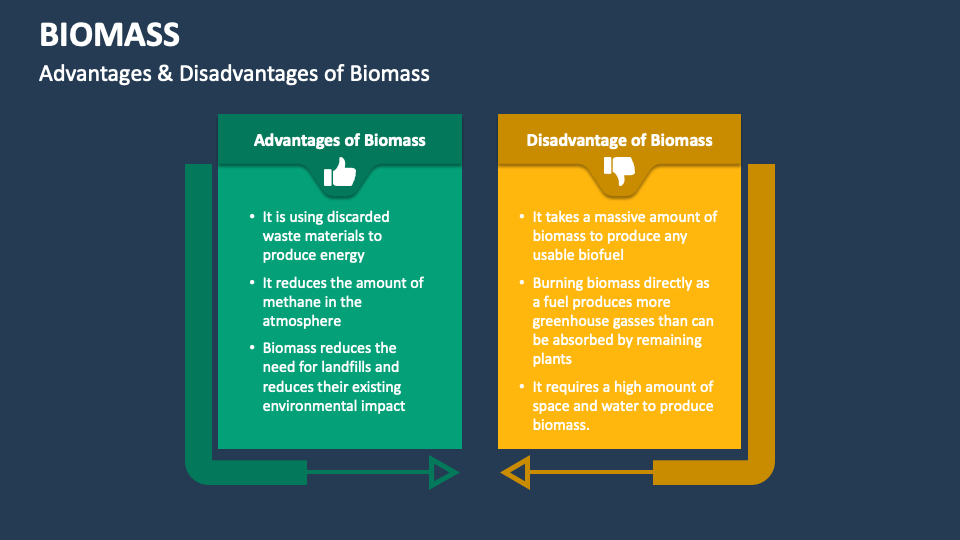
Biomass energy can also boost local economies. Developing biomass power plants and biofuel refineries can create jobs in rural areas and provide a market for local farmers and foresters. This can revitalize communities and improve economic opportunities.
However, it's not all sunshine and roses. There are definitely some disadvantages to consider. One major concern is the potential for deforestation. If we harvest trees faster than they can regrow, we can damage ecosystems, release stored carbon, and even contribute to climate change. Sustainable forestry practices are absolutely crucial for ensuring that biomass is a truly renewable and environmentally friendly energy source.
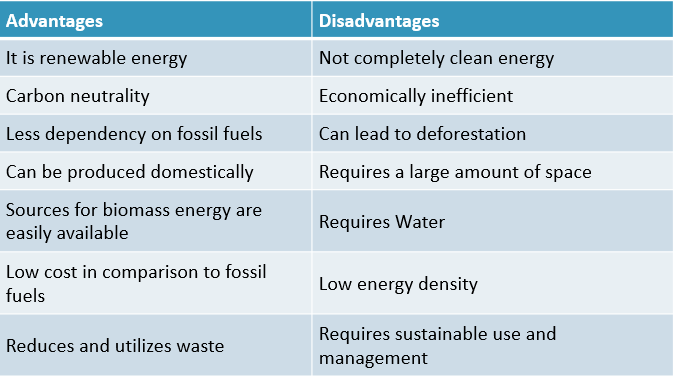
Another issue is that burning biomass can release pollutants, such as particulate matter, which can harm air quality. While modern biomass power plants often use advanced technologies to minimize emissions, older facilities may still pose a risk. Furthermore, large-scale biomass energy production can require significant land use, potentially competing with food production and natural habitats. Finding the right balance is key!
In conclusion, biomass energy offers some exciting possibilities for a more sustainable future. By understanding both its advantages and disadvantages, and by implementing responsible management practices, we can harness the power of biomass while minimizing its potential environmental impact. It's all about finding the right balance and ensuring that biomass truly helps us move towards a cleaner, greener world.