
Advantages And Disadvantages Of Ultrasonic Testing
Ultrasonic testing, or UT as the cool kids call it, is like giving your materials a secret, high-frequency spa treatment. But instead of cucumber slices and whale music, it uses sound waves to peek beneath the surface. Think of it as the James Bond of non-destructive testing (NDT). But is it always the best choice? Let's dive in!
The Perks of the Sound Wave Secret Agent
First, let’s explore the advantages. UT has a lot going for it.
Deep Dive Detection: Unlike some other NDT methods, ultrasound can penetrate deep into materials. We’re talking about finding flaws lurking way beneath the surface. Think of it like sonar on a submarine, but for metal (or plastic, or composites!).
Must Read
Versatility is Key: UT isn’t just a one-trick pony. It can be used on a wide range of materials – from steel girders in skyscrapers (hello, urban jungle!) to airplane wings keeping you safely soaring through the sky. It’s the ultimate multi-tasker.
Real-Time Results: UT provides immediate feedback. No waiting around for days for film to develop. You get instant gratification (or instant bad news, depending on what you find). It's like streaming your favorite show – binge-worthy data right at your fingertips.
Portable Powerhouse: Modern UT equipment is often portable, meaning you can take the inspection to the material, rather than the other way around. Imagine bringing your diagnostic lab right to a construction site! No dismantling and transporting necessary.
Accurate Measurements: UT can also accurately measure the thickness of materials. This is crucial for monitoring corrosion or erosion, ensuring structures remain strong and reliable. Think of it as giving your structures a regular check-up to make sure they are not getting thinner or weaker.
The Kryptonite of Sound Waves
Now, for the downsides. Even James Bond has his weaknesses, and so does UT.
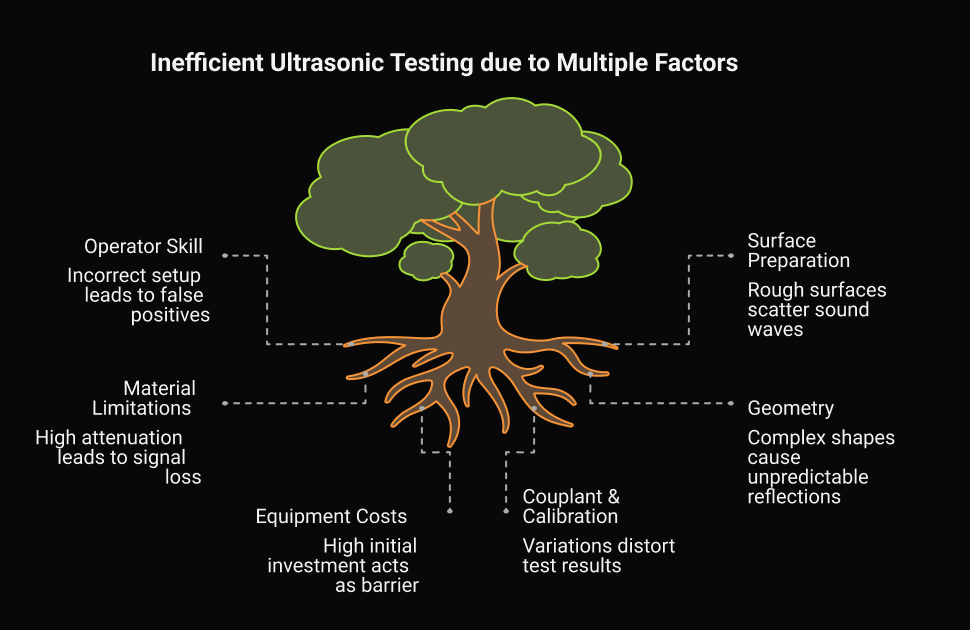
Surface Sensitivity: UT requires a smooth surface for the sound waves to properly transmit. Rough or uneven surfaces can scatter the waves, making it difficult to get accurate readings. Imagine trying to hear a pin drop in a rock concert – it’s just not going to happen.
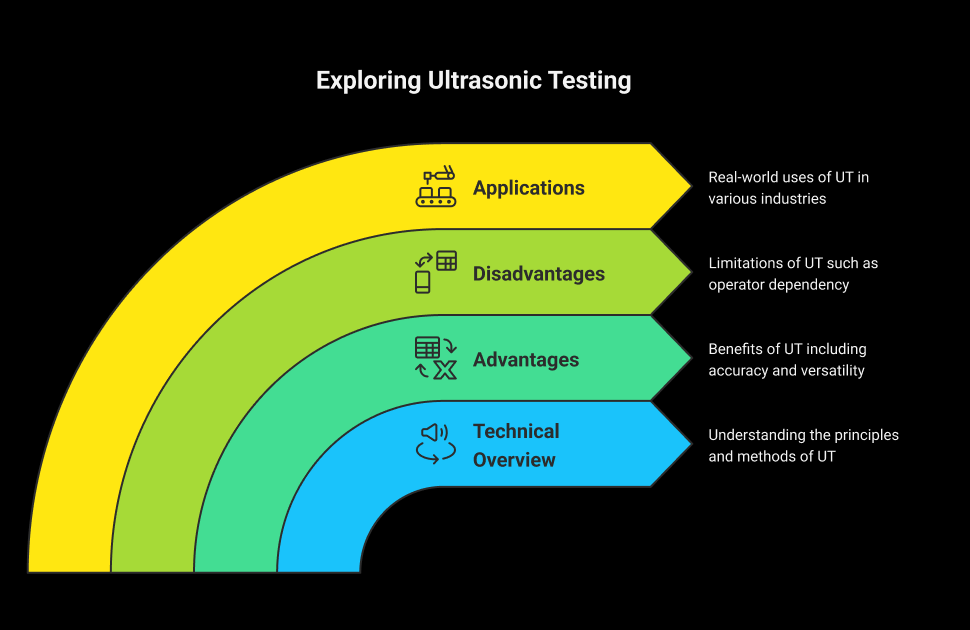
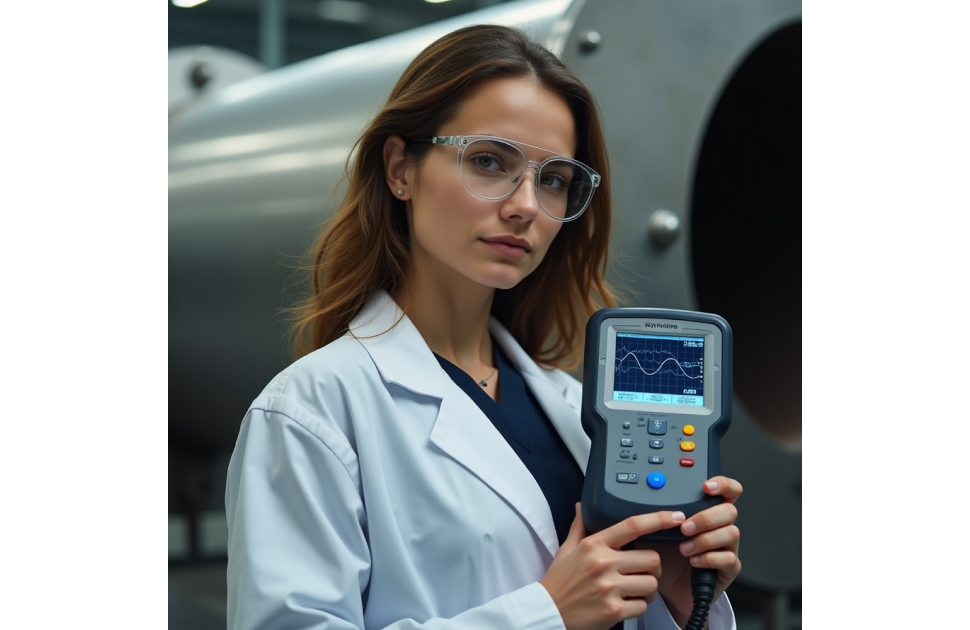
Skilled Operators Required: UT isn’t a plug-and-play operation. It requires trained and experienced technicians to interpret the data accurately. Think of it like reading a complex medical report – you need a trained doctor to understand what it all means.
Geometry Limitations: Complex geometries can make UT inspections challenging. Sharp corners, tight curves, and intricate shapes can distort the sound waves, making it difficult to detect flaws. It's like trying to navigate a maze blindfolded.
Reference Standards Needed: Accurate interpretation of UT data often requires reference standards, which are samples with known flaws. These standards are used to calibrate the equipment and ensure the accuracy of the results. It’s like having a cheat sheet for your exam – essential for getting the right answers.
Limited Defect Characterization: While UT can detect the presence and location of flaws, it’s not always the best at characterizing them (determining their size, shape, and orientation). Sometimes, you need other NDT methods to get the full picture. Think of it as knowing there's something wrong, but not knowing exactly what it is without further investigation.
Practical Tips and Cultural Nods
Tip 1: Always ensure proper surface preparation before conducting UT inspections. A little cleaning and smoothing can go a long way.
Tip 2: Invest in training for your UT technicians. A well-trained operator is worth their weight in gold (or should we say, in perfectly inspected materials?).
Fun Fact: Ultrasonic technology isn’t just for industrial inspections. Bats use echolocation (a form of ultrasonic testing) to navigate and hunt in the dark. Talk about a natural NDT expert!
Cultural Moment: Remember the movie "Hunt for Red October"? The submarines used sonar, which is a type of ultrasonic technology, to detect each other underwater. The same principle applies to industrial UT!
Consider this scenario: A team must perform an inspection of a steel beam that is supporting a bridge. The beam has a rough, corroded surface. The team first prepares the surface of the beam using a wire brush and a grinding wheel to remove any loose rust and debris and to make a smoother surface that makes the test more accurate.
Connecting it All to Daily Life
The principles of ultrasonic testing aren't that far removed from our everyday lives. We constantly use our senses to "inspect" the world around us. A strange noise in your car? That’s your ears performing a quick NDT inspection. A wobbly table leg? Your sense of touch is alerting you to a potential flaw. UT simply takes this concept to a more precise and technical level, ensuring the safety and reliability of the structures and materials that surround us.
So, the next time you hear a strange sound, remember James Bond and the power of sound waves. It might just save the day... or at least prevent a structural catastrophe.