
Advantages And Disadvantages Of Nuclear Power
Okay, let's talk nuclear power. It's one of those topics that seems straight out of a sci-fi flick, right? Think glowing green goo (which, thankfully, isn't accurate) and images of towering cooling towers. But beyond the Hollywood drama, nuclear power is a serious contender in the quest for clean energy. So, let’s unpack the good, the bad, and the slightly radioactive of this powerful energy source.
The Atomic Allure: Advantages of Nuclear Power
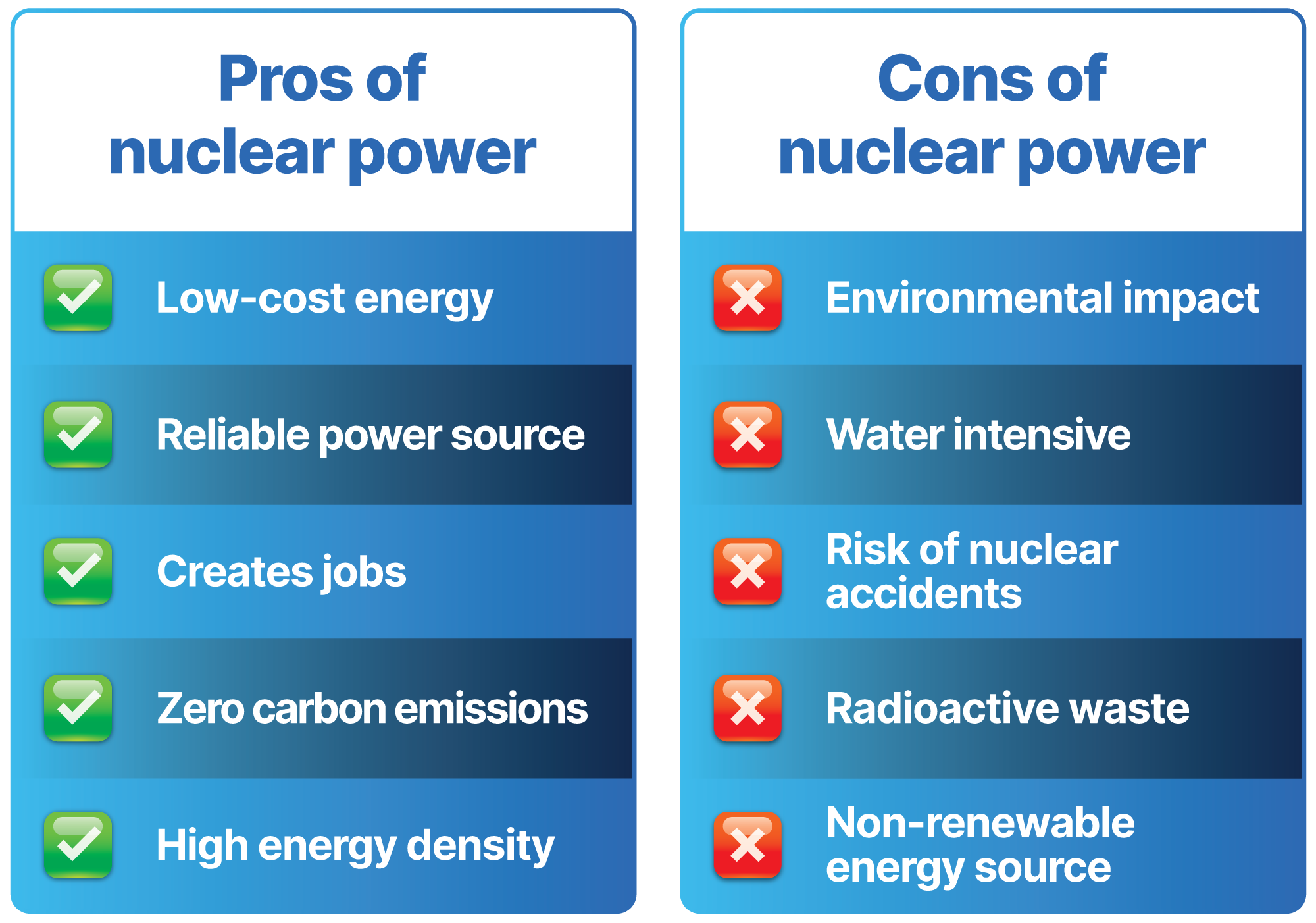
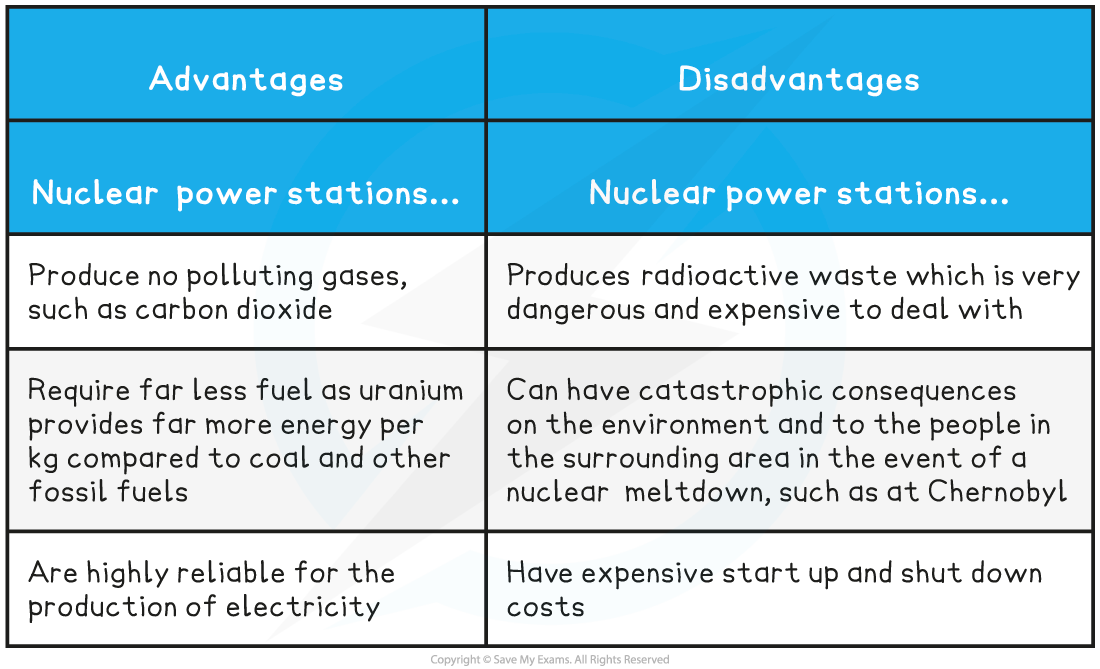
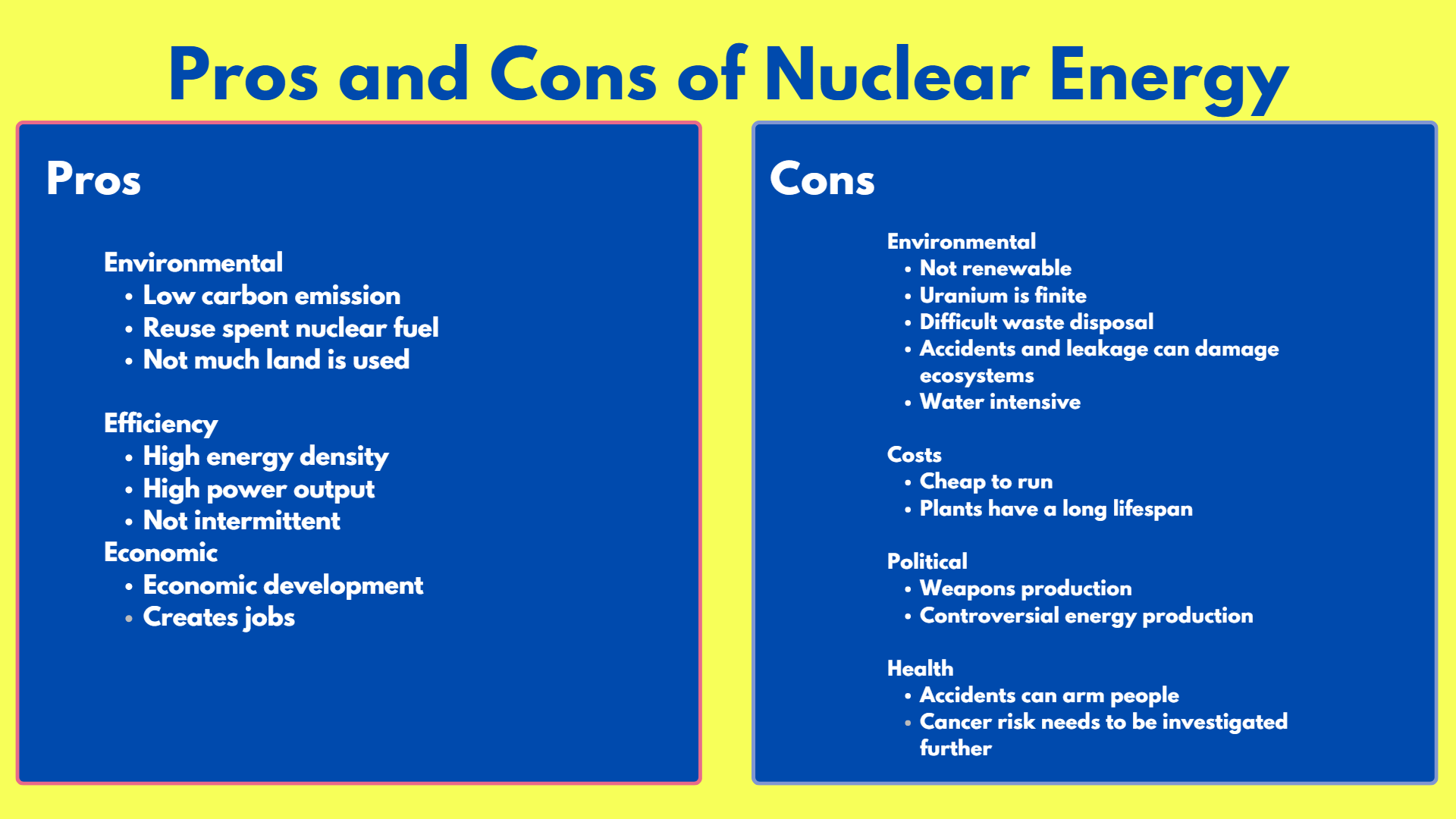
First, let’s shine a light on the pros. The biggest one? Low carbon emissions. Unlike fossil fuels that spew greenhouse gasses into the atmosphere, nuclear power plants produce minimal emissions during electricity generation. Think of it as the environmentally conscious cousin of coal and natural gas.
Then there’s the reliability factor. Nuclear power plants can operate around the clock, 24/7, 365 days a year. They don't rely on sunshine or wind, making them a stable base load power source. Imagine your phone charger always working, no matter the weather – that's nuclear power in a nutshell. This reliability is crucial for keeping the lights on and your Netflix streaming without interruption.
Must Read
Speaking of power, nuclear plants are powerhouses. A single plant can generate a huge amount of electricity, enough to power millions of homes. This high energy density is a major advantage in a world with ever-growing energy demands. Think of it as packing the energy of a thousand AA batteries into a single, controlled source.
Finally, there's the question of energy independence. Countries with nuclear power plants are less reliant on foreign sources of fuel, boosting their energy security. It’s like growing your own vegetables – you're less dependent on the grocery store (or in this case, foreign energy markets).

The Radioactive Reality: Disadvantages of Nuclear Power
Now for the not-so-rosy side of the atomic equation. The biggest concern? Nuclear waste. Used nuclear fuel remains radioactive for thousands of years, requiring long-term storage solutions. Finding safe and permanent repositories for this waste is a major challenge, both technically and politically.
Then there’s the risk of accidents. While rare, accidents like Chernobyl and Fukushima highlight the potential for catastrophic consequences. These events can release radioactive material into the environment, causing long-term health and environmental damage. The image of Homer Simpson with glowing green tongs is a humorous, albeit unsettling, reminder of the potential risks. (Note: Modern plants have multiple safety features, making catastrophic accidents extremely unlikely)
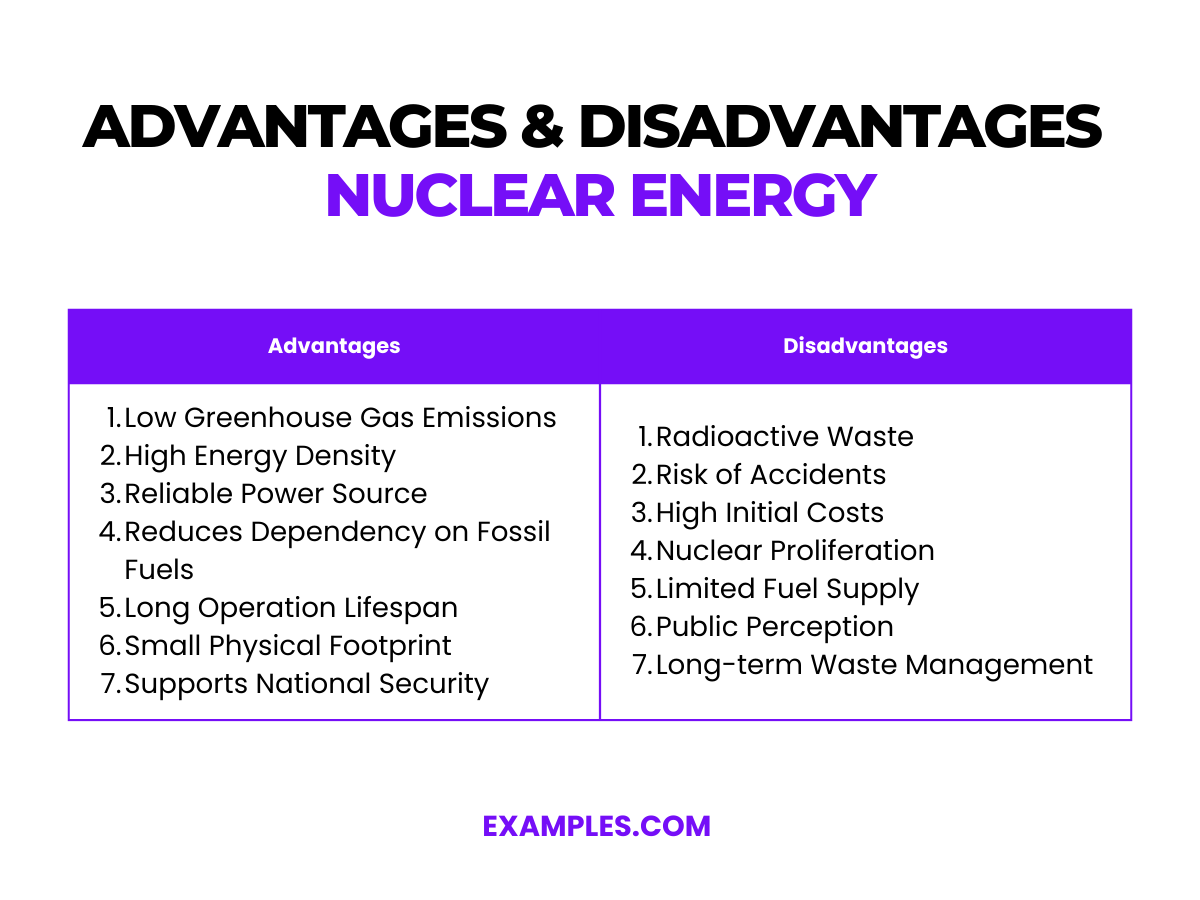
High upfront costs are another hurdle. Building a nuclear power plant requires massive investment, often taking years of planning and construction. This can make nuclear power less attractive compared to other energy sources with lower initial costs.
Finally, there’s the issue of nuclear proliferation. The technology and materials used in nuclear power can also be used to develop nuclear weapons, raising concerns about security and the potential for misuse. This is why international safeguards and regulations are crucial.
A Balancing Act: Practical Considerations & Cultural Context
So, where does this leave us? The truth is, nuclear power is a complex issue with no easy answers. It's a technology with immense potential and significant risks.
Here are some practical tips to stay informed:
In pop culture, nuclear power is often portrayed in a negative light, from the post-apocalyptic wasteland of Fallout to the mutated monsters of classic horror films. This reflects a deep-seated anxiety about the power of the atom. Understanding this cultural context is important for engaging in informed discussions about nuclear energy.
Atomic Reflections
Ultimately, the future of nuclear power depends on our ability to manage its risks and harness its potential. It’s a technology that demands careful consideration, responsible innovation, and a healthy dose of skepticism. As we strive for a sustainable energy future, nuclear power will undoubtedly play a role – the question is, what role will we allow it to play?
Think about it: the electricity powering your devices, the light illuminating your room, the very ability to read this article – it all comes from somewhere. By understanding the nuances of nuclear power, we can all be more informed participants in shaping our energy future.