
Advantages And Disadvantages Of Nuclear Fusion
Imagine a world powered by sunshine, but instead of giant solar panels, we're talking about tiny suns created right here on Earth. That's the dream of nuclear fusion, a potentially game-changing energy source. Is it all sunshine and rainbows? Let's dive into the good, the bad, and the slightly-complicated of this futuristic power source!
The "Heck Yeah!" Advantages of Fusion
Unlimited Energy (Kind Of)
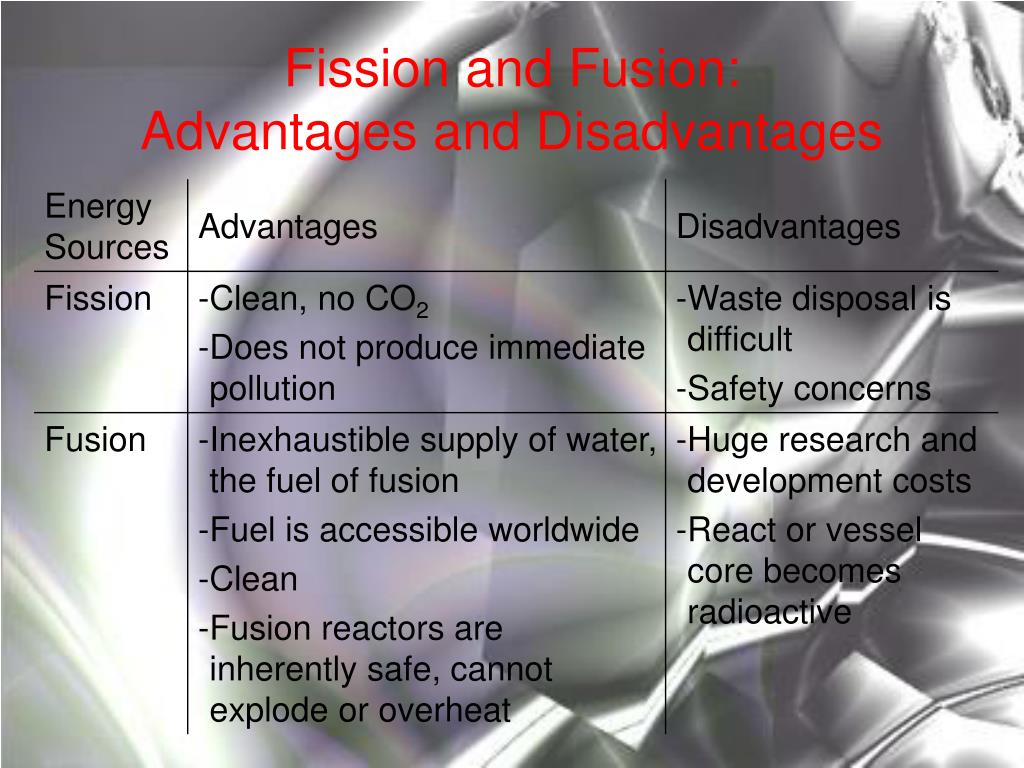
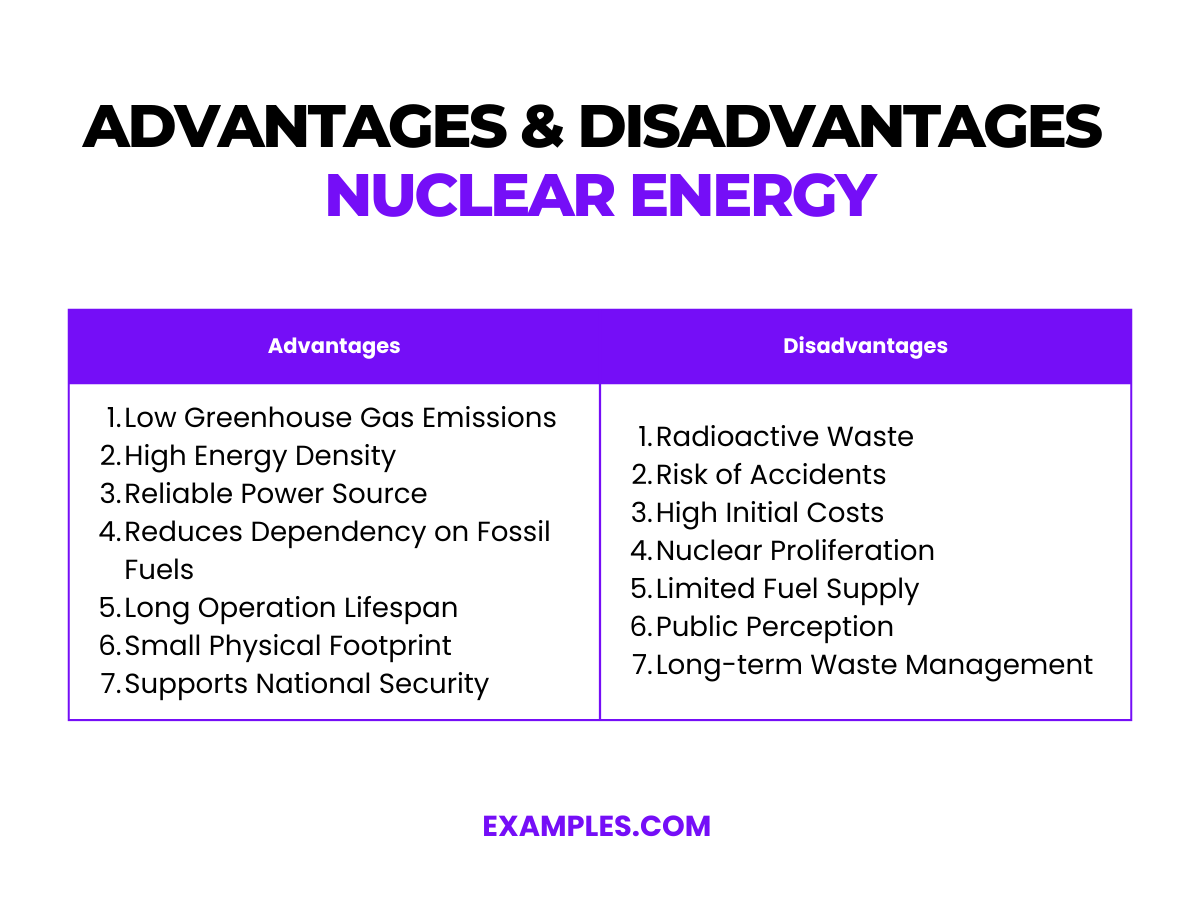
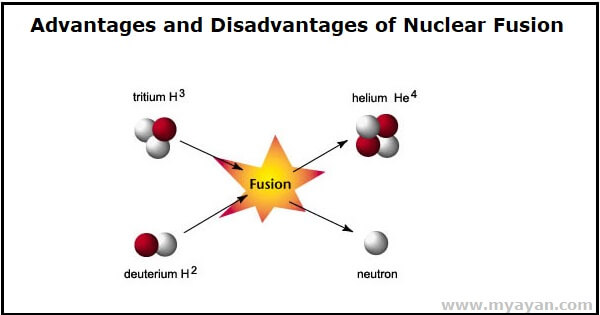
Okay, "unlimited" might be a bit of a hyperbole, like saying your Wi-Fi is unlimited when you know it throttles after a certain point. But fusion uses deuterium, a type of hydrogen found in seawater. We've got oceans of the stuff, literally! That means fuel is practically inexhaustible, unlike fossil fuels that are slowly but surely running out.
Imagine never worrying about peak oil or gas prices again. Fill 'er up… with seawater, please!
Must Read
Super Clean Energy
This is where fusion really shines. Forget the smog and the greenhouse gases. Fusion reactions produce helium, that's right the stuff that makes balloons float and your voice sound funny after inhaling it.
The only waste product is harmless helium, it's basically a party trick. Talk about a clean energy win!
No Nuclear Meltdowns (Probably)
Now, I know what you're thinking: "Nuclear? Isn't that dangerous?" Well, fusion is fundamentally different from nuclear fission, the type of reaction used in current nuclear power plants. Fission involves splitting heavy atoms like uranium. Fusion, on the other hand, slams light atoms together, requiring extreme conditions to occur.
If something goes wrong in a fusion reactor, the reaction simply stops. No runaway chain reaction, no uncontrollable meltdown, it's more like your car stalling than a nuclear apocalypse.

Less Radioactive Waste
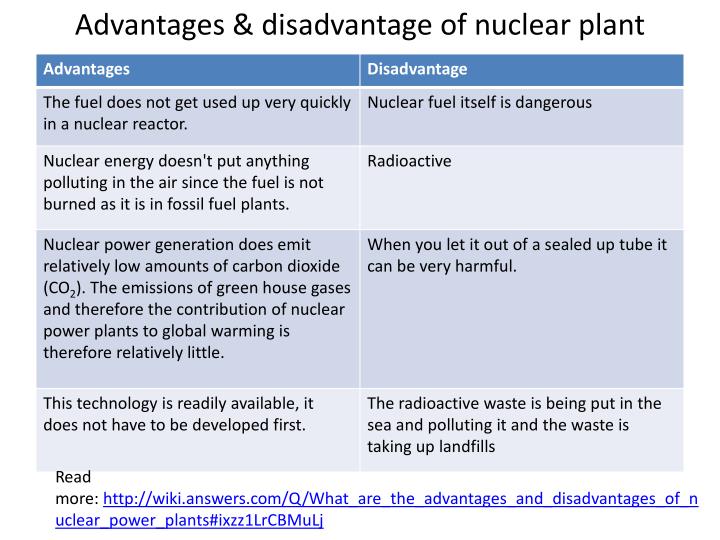
While fusion doesn't produce long-lived radioactive waste like fission, some reactor components can become radioactive during operation. This radioactivity is generally less intense and shorter-lived than fission waste, though.
Think of it like this: fission waste is the fruitcake that lingers in your fridge for years, while fusion waste is the leftover birthday cake that's gone in a week. Manageable, right?
The "Hold Your Horses!" Disadvantages of Fusion
It's Really, Really Hard
Achieving fusion requires temperatures hotter than the sun – we're talking millions of degrees Celsius! Imagine trying to contain a tiny star in a box.
Scientists are using incredibly strong magnetic fields and lasers to contain this superheated plasma, it is like trying to hold water in your hand.
We're Not Quite There Yet
Despite decades of research, fusion is still a long way from being commercially viable. We can achieve fusion reactions in the lab, but getting more energy out than we put in (that is, achieving "net energy gain") has been a persistent challenge.
It's like baking a cake that requires more electricity for the oven than the cake provides in calories. Delicious, but not exactly efficient!
High Initial Costs
Building fusion reactors is incredibly expensive. We are talking about billions of dollars, involving cutting-edge materials and technologies.
It's like building a spaceship just to go to the grocery store. Awesome, but probably not the most cost-effective option...yet.
Materials Challenges
The extreme conditions inside a fusion reactor put a tremendous strain on the materials used to build it. Finding materials that can withstand the intense heat, radiation, and neutron bombardment is a major engineering hurdle.
Imagine building a car that can drive through the sun. You'd need some seriously tough tires!
So, Is Fusion Worth It?
That's the million-dollar (or rather, multi-billion-dollar) question! Despite the challenges, the potential benefits of fusion – clean, abundant energy – are too significant to ignore. International collaborations like ITER are pushing the boundaries of fusion research and inching closer to making it a reality.
It may take decades, but unlocking the power of fusion could solve our energy crisis and usher in a new era of prosperity. Fusion represents a long-term investment in our future.
Think of it like planting a tree: it takes time and effort, but the shade and the fruit are well worth the wait. Plus, future generations will thank you!
While commercial fusion power plants are still decades away, the progress being made is encouraging. Funding into fusion research has experienced increased interest.
We should continue to support research and development in fusion energy, along with other renewable energy sources, to create a sustainable and clean energy future. Fusion might just be the key to a brighter, cleaner, and more energetic tomorrow!
"The Stone Age came to an end not for a lack of stones, and the age of oil will end long before the world runs out of oil." - Sheikh Ahmed Zaki Yamani, Former Oil Minister of Saudi Arabia. Fusion could be the next chapter!