Advantages And Disadvantages Of Natural Gas Energy
Okay, let's talk about farts! Just kidding... mostly. We're actually diving into natural gas, which, while not quite as funny, is a super important energy source powering our homes and industries. Think of it as the slightly less popular sibling of renewable energy, but still a major player. Why is this fun? Because understanding where our energy comes from helps us make informed decisions about the future! And why is it useful? Because natural gas impacts your wallet, the environment, and global politics.
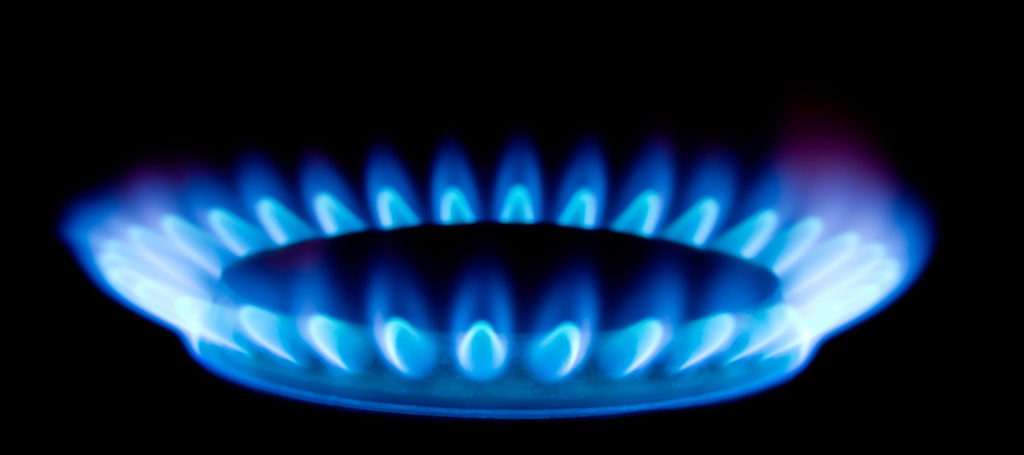
So, what's the deal with natural gas? In a nutshell, it's a fossil fuel primarily composed of methane. It's extracted from underground reserves and used for things like heating our homes, generating electricity, and even fueling some vehicles. The purpose of using it is simple: to provide a reliable and relatively affordable source of energy.
Let's jump into the advantages. First, natural gas burns cleaner than other fossil fuels like coal. This means it releases fewer pollutants into the air, contributing less to smog and respiratory problems. While it's not perfect, it's a step up! Second, it's relatively abundant in many parts of the world, making it a readily available energy source. This abundance often translates to lower energy costs for consumers, which is always a win. Another plus? Natural gas power plants are relatively efficient and can be ramped up or down quickly to meet fluctuating energy demands. This makes it a good "bridge fuel" while we transition to more renewable energy sources.
Must Read
Now, for the not-so-fun part: the disadvantages. While natural gas burns cleaner than coal, it's still a fossil fuel. This means that burning it releases carbon dioxide (CO2), a major greenhouse gas that contributes to climate change. Also, extracting and transporting natural gas can lead to methane leaks. Methane is an even more potent greenhouse gas than CO2, so these leaks can significantly worsen climate change. Think of it like accidentally letting a bunch of tiny, super-powered greenhouse gas ninjas escape into the atmosphere.
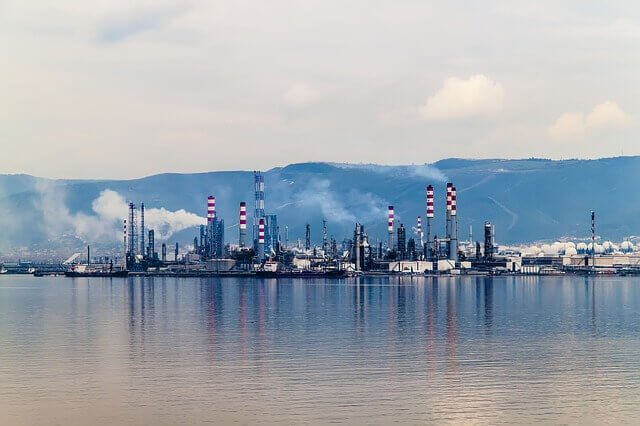
Another concern is fracking, a common method used to extract natural gas. Fracking involves injecting high-pressure fluid into underground rock formations to release the gas. This process can contaminate groundwater and even trigger earthquakes in some areas. Not ideal, to say the least. Finally, the price of natural gas can fluctuate wildly depending on supply and demand, geopolitical events, and weather patterns. This volatility can make it difficult for consumers and businesses to budget for energy costs.
In conclusion, natural gas is a complex energy source with both benefits and drawbacks. It's a readily available and relatively clean-burning fuel compared to other fossil fuels, but it still contributes to climate change and poses environmental risks. As we move towards a more sustainable energy future, understanding the pros and cons of natural gas is crucial for making informed decisions about our energy choices. So, next time you turn on your furnace or pay your electricity bill, remember the journey that natural gas takes to power your life!