Advantages And Disadvantages Of Injection Moulding

Ever wondered how that perfectly shaped LEGO brick came to be, or how your phone case fits so snugly? Chances are, it's thanks to a process called injection moulding. It might sound technical, but it's actually a fascinating and incredibly common manufacturing technique that shapes the world around us. Understanding the basics of injection moulding is like peering behind the curtain of modern production, revealing how countless everyday objects are brought to life. It’s relevant because it touches nearly every industry, and it’s fun because it unveils the ingenuity behind mass-produced goods.
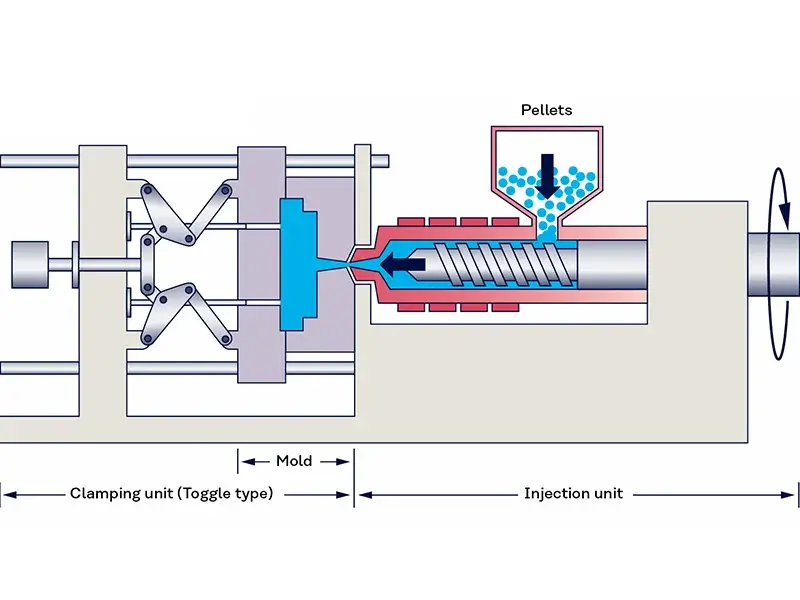
So, what exactly is injection moulding? In essence, it’s a process where molten material – typically plastic, but sometimes metal or other substances – is injected under high pressure into a mould cavity. This cavity is a precisely shaped negative image of the desired part. Once the material cools and solidifies, the mould is opened, and the finished product is ejected. Think of it like using a giant, automated ice cube tray, but instead of water, you’re using melted plastic! The beauty of injection moulding lies in its ability to produce identical parts in large quantities, quickly and efficiently. This makes it ideal for mass production scenarios.
The benefits of injection moulding are numerous. First and foremost is its speed and efficiency. Once the mould is created, production can be incredibly fast, churning out hundreds or even thousands of parts per hour. Secondly, it offers high precision and repeatability. Each part is virtually identical to the last, ensuring consistency and quality. Thirdly, it allows for complex designs. Intricate shapes and features can be easily incorporated into the mould, enabling the creation of sophisticated products. Finally, it can handle a wide range of materials, giving manufacturers flexibility in their choice of plastics or metals.
Must Read
We see injection moulding everywhere. In education, think of the plastic components in robots, the cases for scientific instruments, or even the humble protractor. In daily life, it’s even more pervasive: your toothbrush handle, your car's dashboard, the remote control for your TV, the casing for your laptop – all likely made through injection moulding. Even food packaging and medical devices heavily rely on this process.
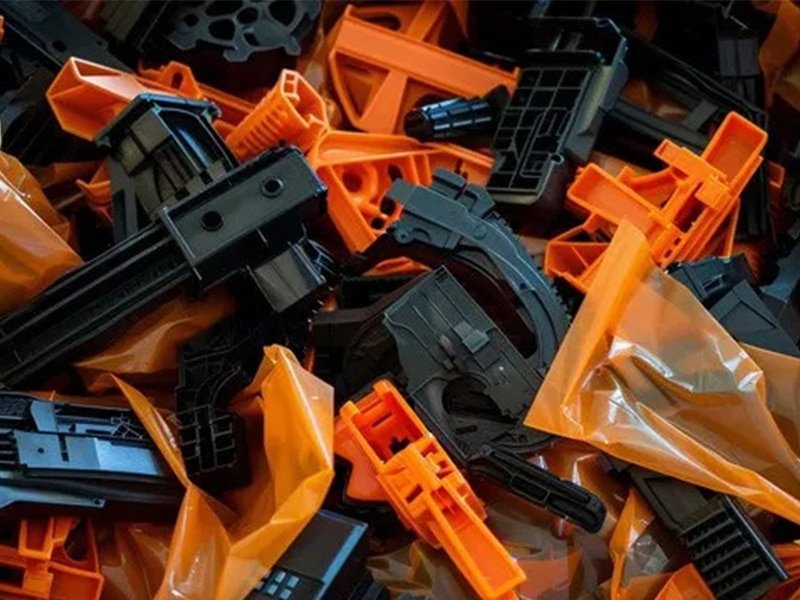
However, injection moulding isn't without its drawbacks. The most significant is the high initial cost of creating the mould. These moulds are typically made from hardened steel or aluminium and require specialized machinery and expertise to produce. This makes injection moulding less cost-effective for small production runs. Another disadvantage is the design limitations imposed by the process. While complex shapes are possible, there are still restrictions on undercuts and other features that can complicate mould design and increase costs. Also, material waste can be a concern, although recycling and reuse of scrap material are becoming increasingly common.
Want to explore injection moulding a bit further? While building your own industrial-scale setup might be out of reach, there are simpler ways to get a feel for the process. You can look for online tutorials and videos demonstrating the principles involved. Some makerspaces and educational institutions offer introductory courses or workshops on injection moulding. Alternatively, consider exploring 3D printing, which, while different, shares similarities in creating three-dimensional objects from a digital design. Even simply observing the plastic products around you and considering how they might have been made can spark your curiosity and deepen your understanding of this essential manufacturing technique.