Advantages And Disadvantages Of Hydrogen Fuel
Alright, let's talk about hydrogen fuel! Why? Because it's the future, baby! Or at least, it's being touted as a big part of it. We're constantly hearing about electric cars, but hydrogen fuel is another contender in the race to a greener, cleaner world. It's a fascinating topic, and understanding its pros and cons can help you make informed decisions about the future of transportation and energy.
So, what's the deal? Basically, hydrogen fuel cells combine hydrogen and oxygen to create electricity, with water as the only byproduct. Sounds pretty awesome, right? For beginners, think of it like this: you put hydrogen in, get electricity out, and the planet breathes a sigh of relief (well, almost!). For families, imagine a car that emits only water vapor – perfect for those road trips! And for hobbyists, think of the possibilities: powering drones, model cars, or even building your own miniature hydrogen fuel cell system!
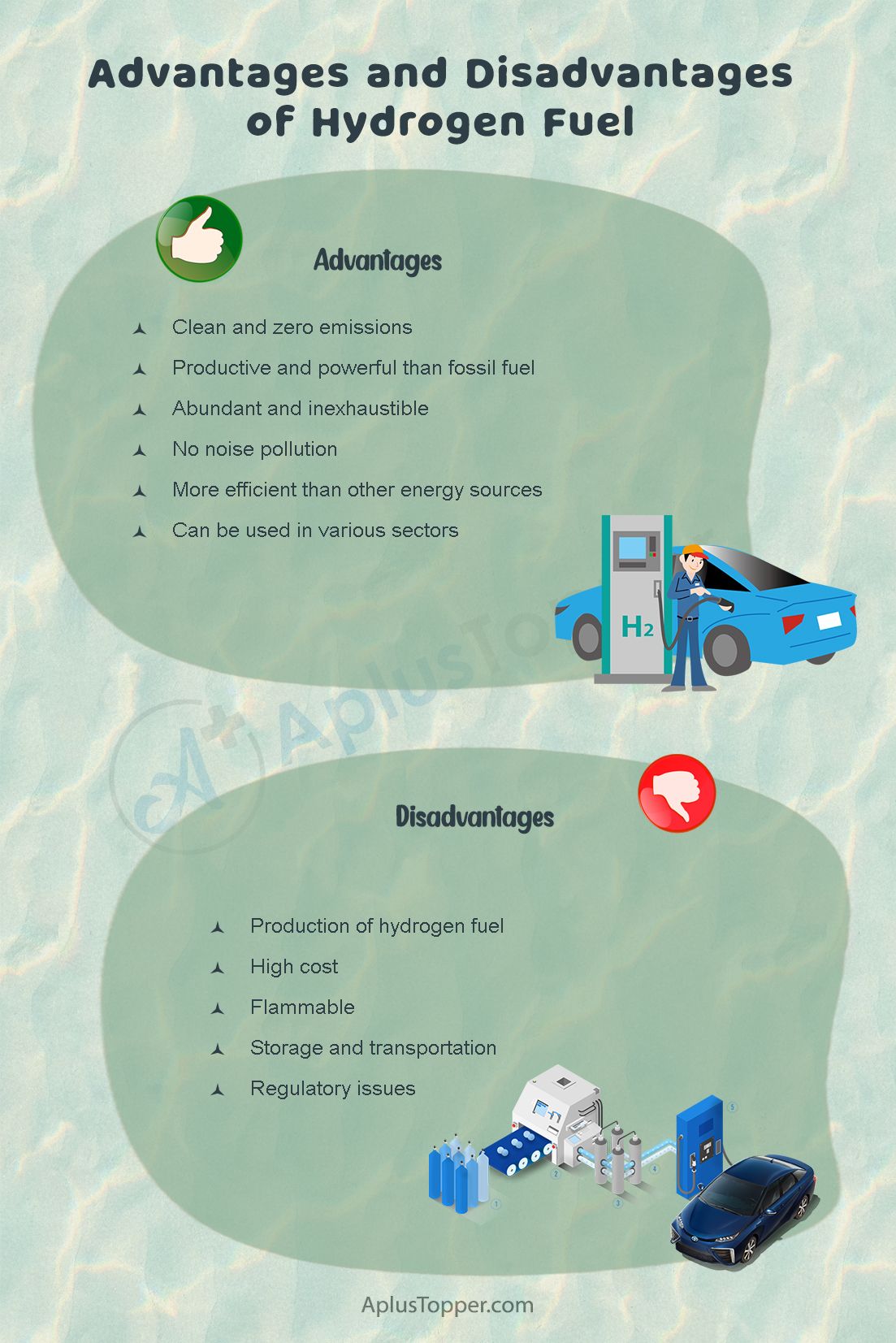
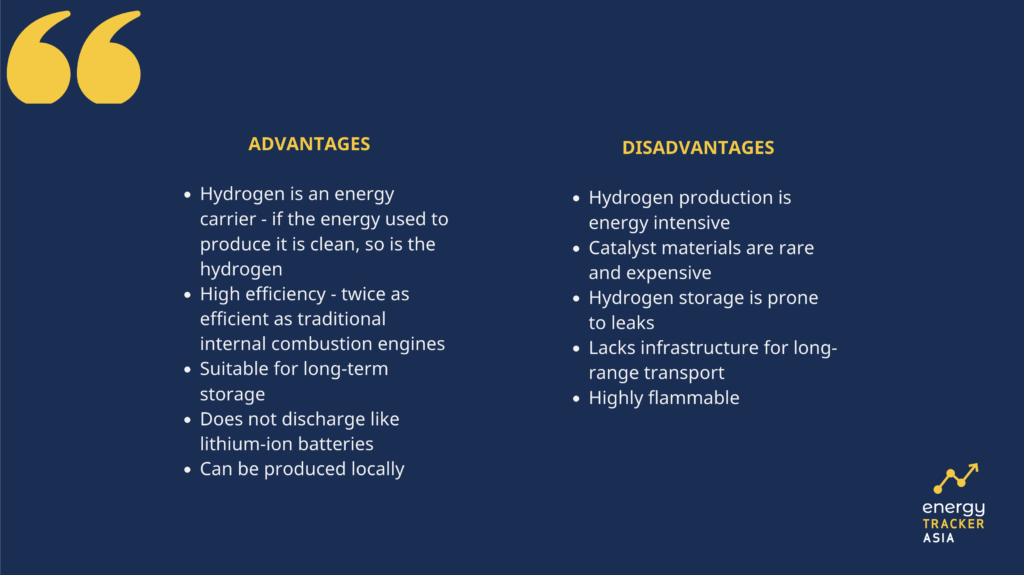
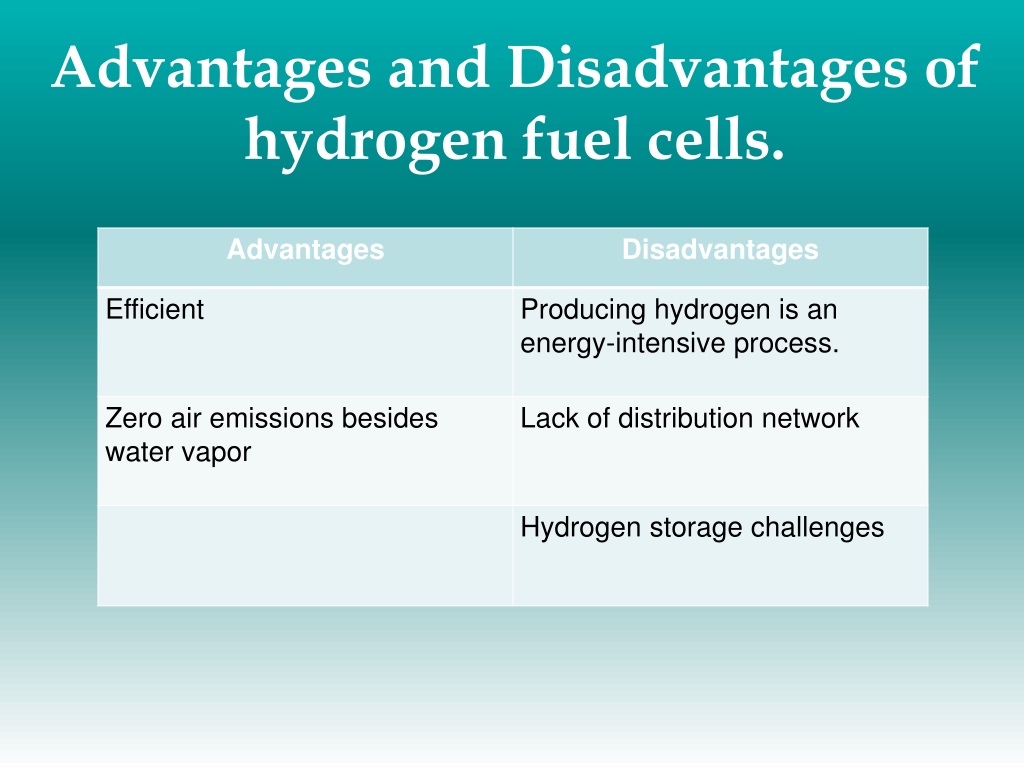
Let’s dive into the advantages. The biggest one? Zero emissions. Seriously, just water. Compared to gasoline cars that pump out all sorts of nasty pollutants, hydrogen wins hands down. Another major advantage is fast refueling. Unlike electric vehicles that can take hours to charge, refueling a hydrogen car is comparable to filling up a gas tank – just a few minutes. And finally, hydrogen fuel boasts a high energy density, meaning you can potentially travel longer distances on a full tank compared to some electric vehicles.
Must Read
However, it's not all sunshine and rainbows. There are definite disadvantages. Firstly, the infrastructure for hydrogen refueling is severely lacking. Gas stations are everywhere, but hydrogen stations? Not so much. This makes owning a hydrogen car impractical in many areas. Secondly, production of hydrogen is often energy-intensive. While the fuel cell itself is clean, the process of creating the hydrogen can involve fossil fuels, undermining the environmental benefits. There are "green" hydrogen production methods using renewable energy, but these are still under development and not widely available. Finally, the cost of hydrogen fuel cell vehicles is currently quite high, making them less accessible to the average consumer.
Think of it like different approaches to a healthier lifestyle. Electric cars are like drastically cutting out junk food – a significant improvement. Hydrogen fuel is like trying a brand-new, potentially super-healthy diet, but with limited ingredients and a hefty price tag. Variations include different methods of hydrogen production (e.g., electrolysis, steam methane reforming) and different types of fuel cells (e.g., polymer electrolyte membrane fuel cells, solid oxide fuel cells), each with its own pros and cons.
So, how can you get started learning more? Simple! Read articles and watch videos online. Many websites and YouTube channels provide easy-to-understand explanations of hydrogen fuel cell technology. Visit science museums or technology centers. They often have exhibits on alternative energy sources, including hydrogen fuel. And follow news and updates on the development of hydrogen infrastructure and technology. Stay informed about the latest advancements and challenges.
Despite the challenges, hydrogen fuel holds immense promise as a clean energy source. The potential for zero-emission transportation and energy independence is incredibly exciting. Whether you're a gearhead, a tree hugger, or just someone curious about the future, exploring hydrogen fuel is a worthwhile and engaging endeavor. It's a journey towards a potentially cleaner and more sustainable future, and that's something to be optimistic about!
![Advantages and disadvantages of hydrogen energy [22]. | Download](https://www.researchgate.net/publication/329515178/figure/tbl2/AS:869082043793417@1584216714197/Advantages-and-disadvantages-of-hydrogen-energy-22.png)