
Advantages And Disadvantages Of Geothermal Energy

Ever feel that chill creeping in during winter, even with the thermostat cranked up? Or maybe you're sweating bullets in summer, watching your electricity bill skyrocket thanks to the AC? We've all been there. And we're all looking for ways to make our homes more comfortable and our wallets a little happier. That's where geothermal energy comes in – think of it as Mother Earth lending a hand (or rather, some consistent underground temperature!).
What's Geothermal Anyway?
Simply put, geothermal energy taps into the Earth's natural heat. Imagine a giant, slow-cooker bubbling away miles beneath your feet. That heat, from the Earth's core, is constantly radiating outwards. Now, we're not talking about digging down to the fiery center of the planet (that's a bit much!). Instead, we're using the relatively stable temperature found just a few feet underground. It's consistently around 50-60°F (10-15°C) – which is perfect for heating and cooling.
Think of it like this: your basement is always a little cooler in summer and a little warmer in winter, right? Geothermal systems take that principle and amplify it using technology. They use a system of pipes, buried underground, to transfer heat either to your home in winter or away from it in summer.
Must Read
The Upsides: Geothermal's Winning Streaks
Okay, so why should you even consider geothermal? Let's talk about the perks!
Lower Energy Bills: This is the big one! Geothermal systems are incredibly efficient. They use significantly less electricity than traditional heating and cooling systems. Picture this: you’re watching your favorite movie, snuggled under a blanket in the dead of winter, and not stressing about the energy bill creeping ever higher. That’s the geothermal dream.
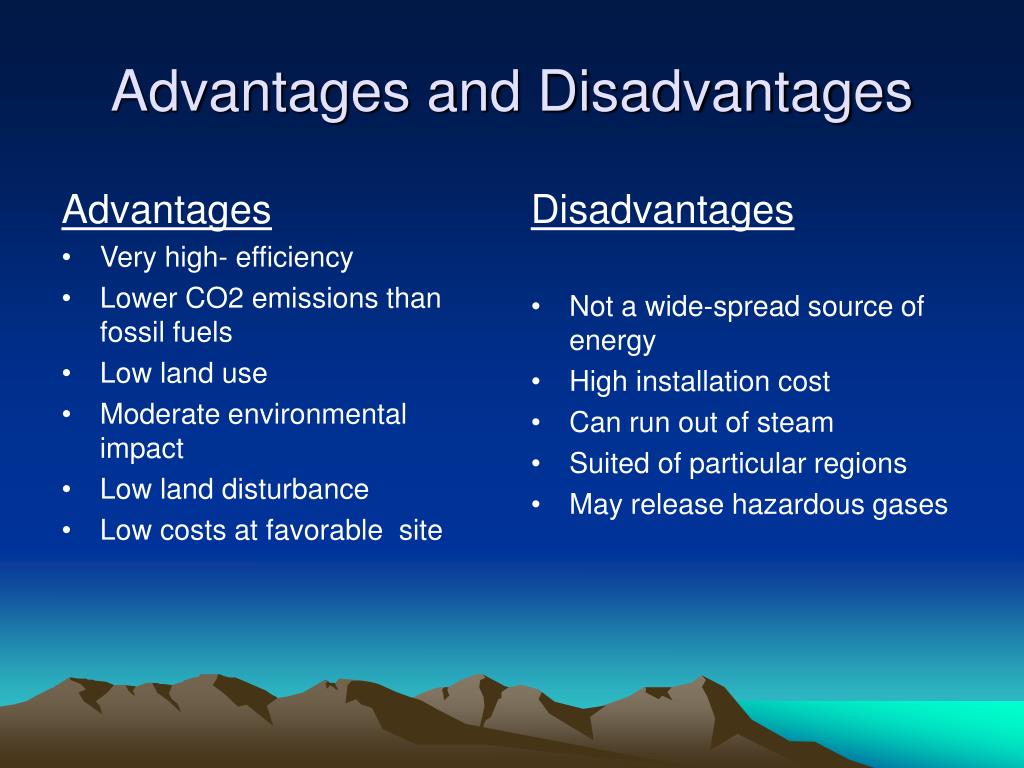
Environmentally Friendly: Geothermal is a renewable energy source. It doesn't rely on fossil fuels, meaning it produces very little greenhouse gas emissions. It's like choosing to walk or bike instead of driving your car – you're making a positive impact on the planet! Think of it as a gift to future generations.
Quiet Operation: Ever been kept awake by a noisy air conditioner? Geothermal systems are whisper-quiet. The main unit is usually inside your home, and the only sound you might hear is a gentle hum. You can finally enjoy a peaceful night's sleep, undisturbed by mechanical noise.
Long Lifespan: Geothermal systems are built to last. The underground loop system can last for 50 years or more, and the indoor unit typically lasts 20-25 years. That's a long-term investment that pays off for decades.
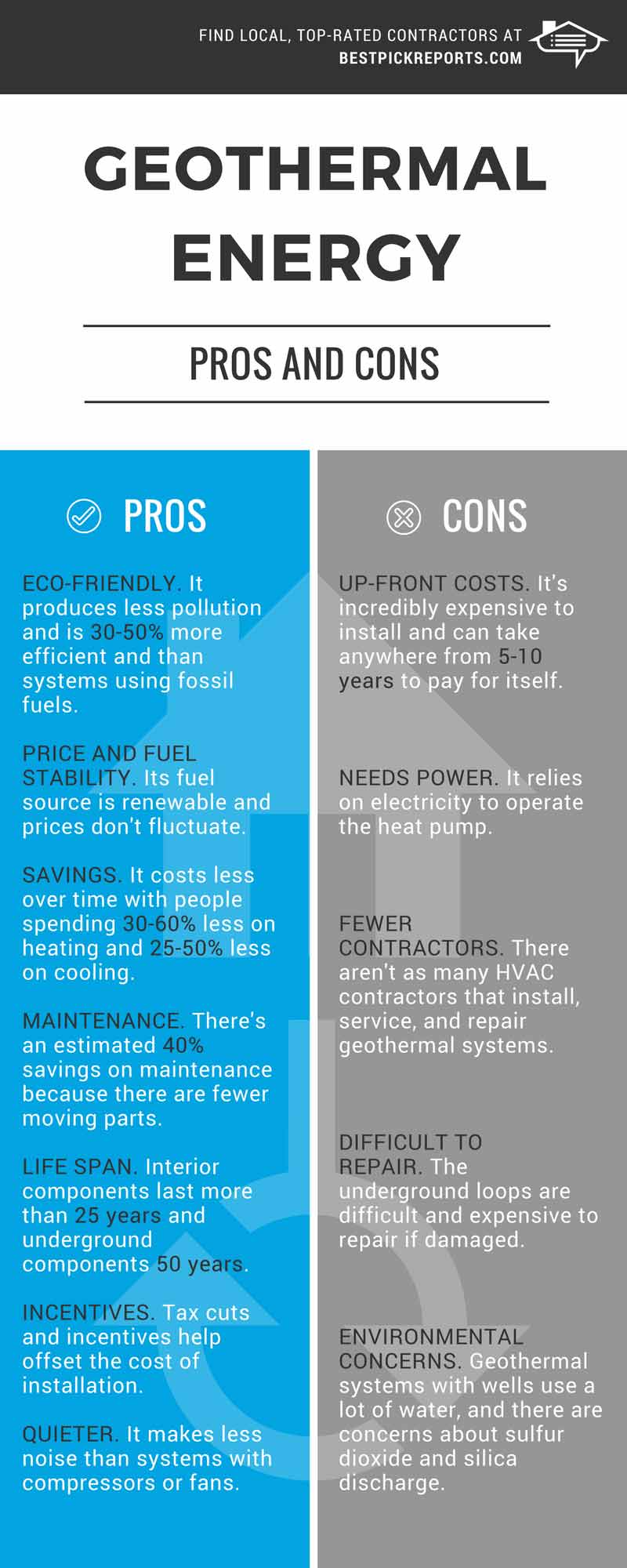
Increased Home Value: A geothermal system can significantly increase the value of your home. It's an attractive feature for potential buyers who are looking for energy efficiency and lower operating costs. It's like adding a state-of-the-art kitchen – it makes your home more desirable.
The Downsides: No Rose Garden Without a Few Thorns
Now, let's be honest – geothermal isn't perfect. There are a few drawbacks to consider.
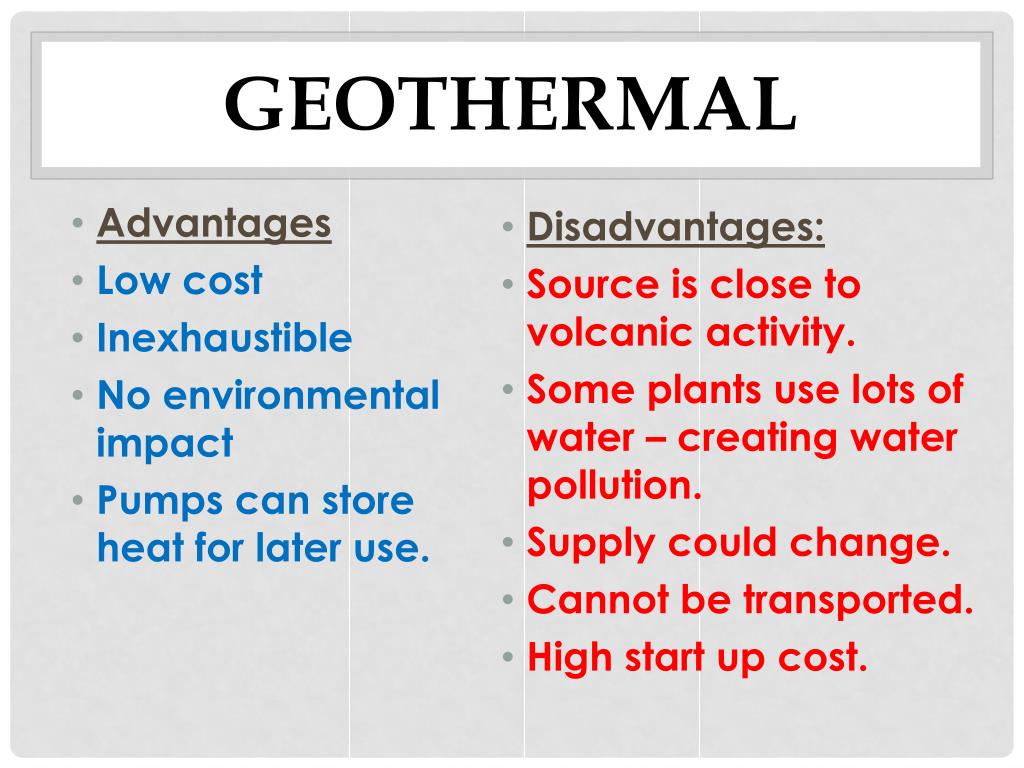
High Upfront Cost: This is the biggest hurdle for most people. Geothermal systems can be more expensive to install than traditional heating and cooling systems. Think of it like buying a hybrid car – it costs more initially, but you save money on gas in the long run. However, there are often government incentives and rebates available to help offset the cost. It's worth doing your research!
Installation Can Be Disruptive: Installing a geothermal system requires digging up your yard to bury the underground loop. This can be messy and disruptive, especially if you have a small yard or established landscaping. It’s a bit like undergoing renovations – things will be chaotic for a while, but the end result will be worth it.
Land Requirements: Geothermal systems require a certain amount of land to install the underground loop. If you have a very small property, it might not be feasible. It's like trying to fit a giant swimming pool in a tiny backyard – it just won't work.
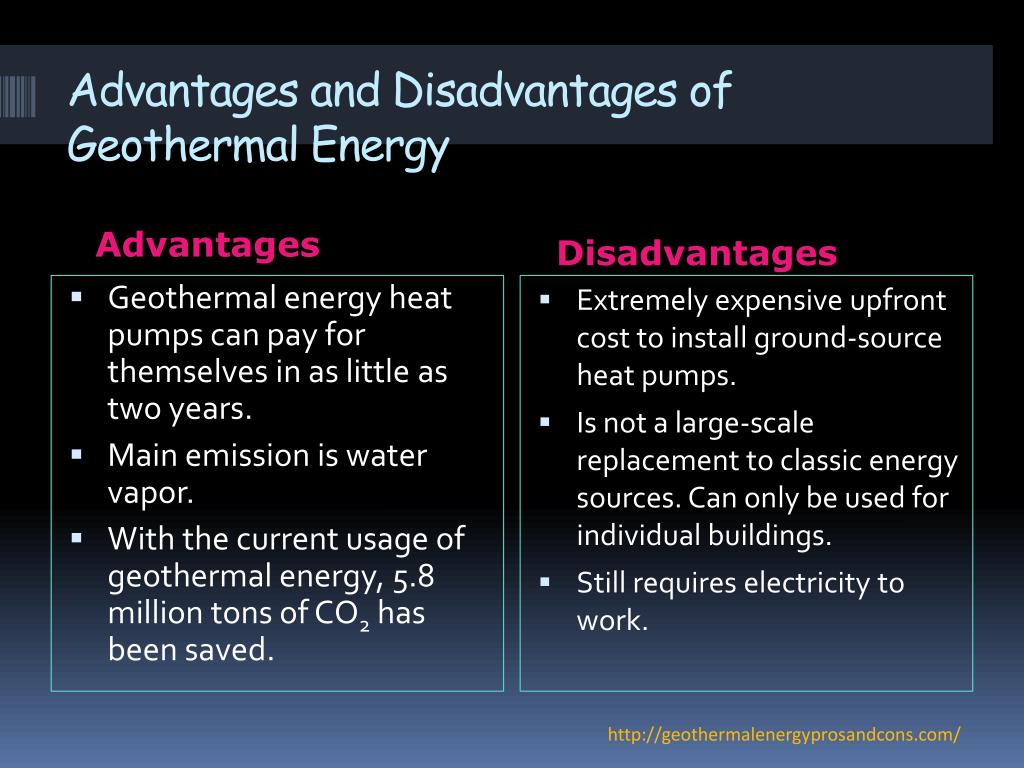
Professional Installation Required: Geothermal systems require specialized knowledge and equipment to install properly. You can't just DIY this project! You'll need to hire a qualified geothermal contractor. Think of it like surgery – you wouldn't attempt it yourself, would you?
Is Geothermal Right for You?
Ultimately, the decision of whether or not to invest in geothermal energy is a personal one. Weigh the pros and cons carefully, consider your budget, and research available incentives. If you're looking for a long-term, energy-efficient, and environmentally friendly way to heat and cool your home, geothermal might just be the perfect solution. And hey, think of the bragging rights you'll have when your neighbors are complaining about their sky-high energy bills!
Even if you aren't ready to install a full system, understanding the potential of geothermal energy is crucial. As we face increasing concerns about climate change and energy independence, exploring and embracing renewable energy sources like geothermal becomes increasingly important. It's a small step towards a greener, more sustainable future – and who doesn't want that?