Advantages And Disadvantages Of Fossil Fuels
Let's talk about fossil fuels! Now, you might be thinking, "Fossil fuels? That sounds boring!" But stick with me, because understanding them is actually super important. They're the energy source that's powered our world for over a century, and they're still a major player today. Knowing their ups and downs helps us understand our energy choices and how they impact, well, pretty much everything!
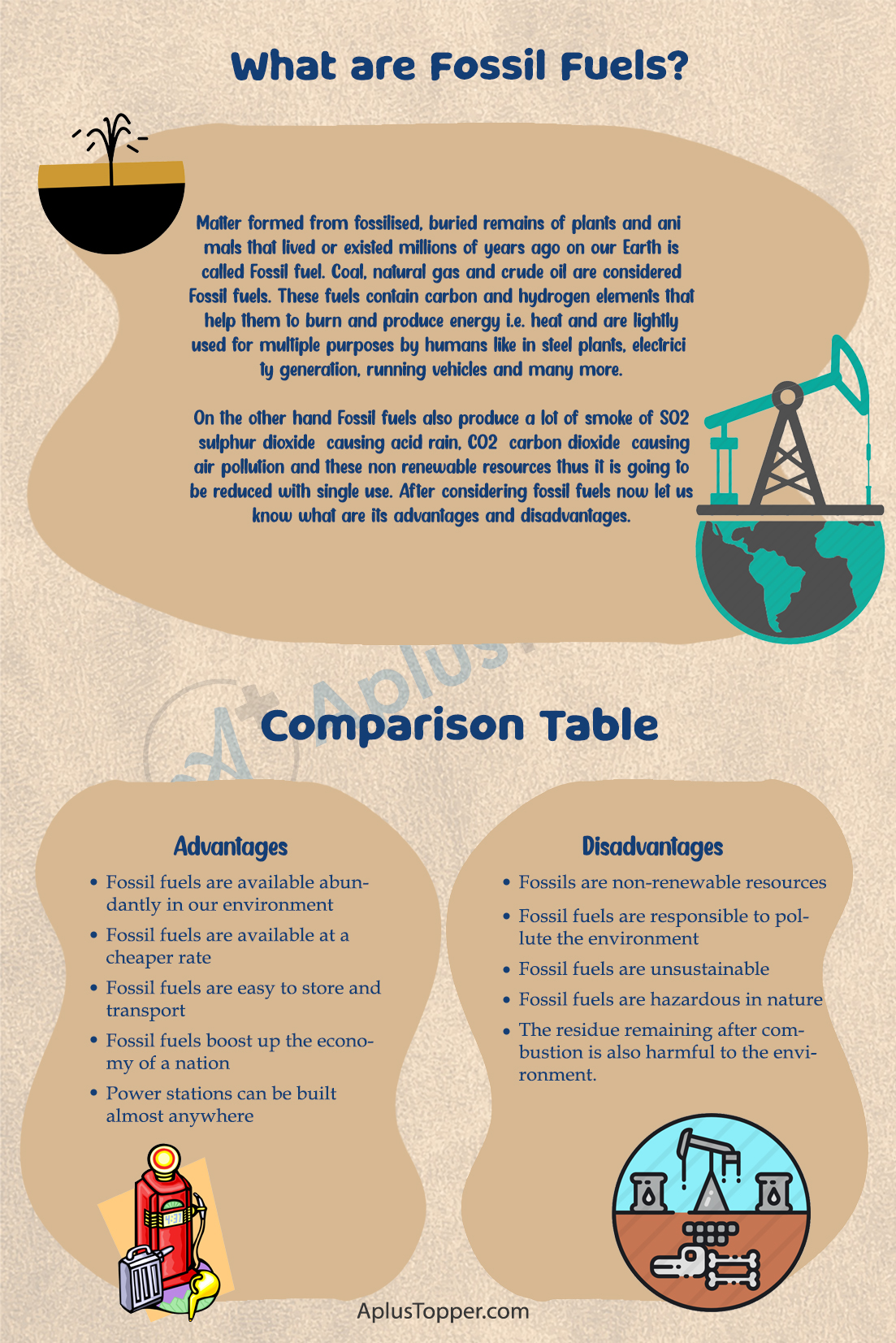
So, what exactly are fossil fuels? They're basically the remains of ancient plants and animals, transformed over millions of years into energy-rich substances like coal, oil, and natural gas. We dig them up (or drill for them) and burn them to create electricity, power our cars, and heat our homes. Simple, right?
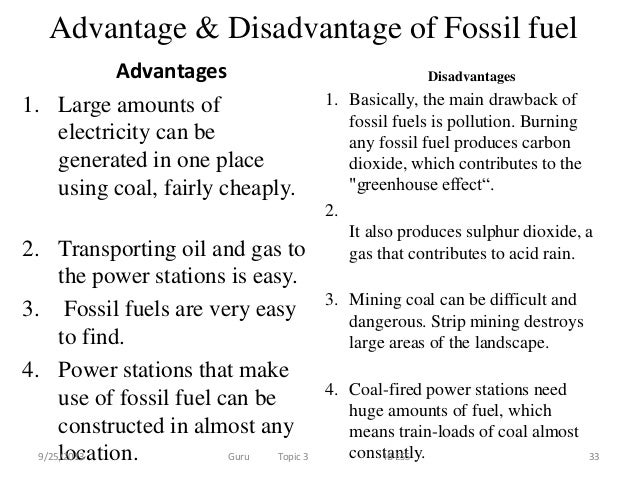
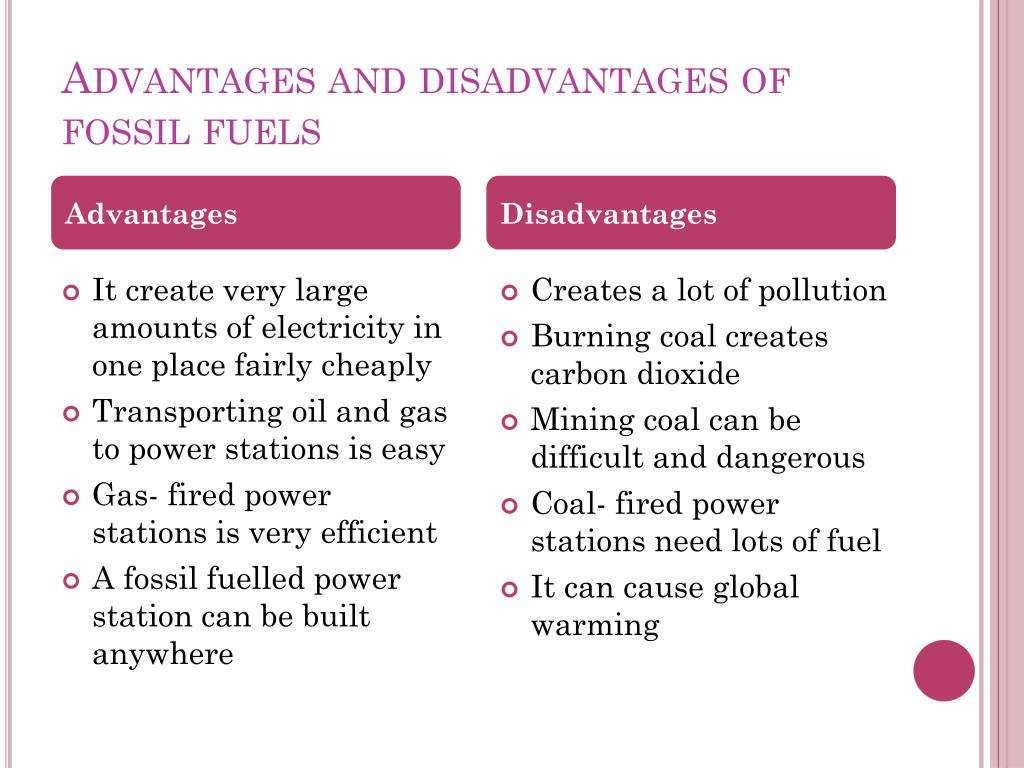
Let's dive into the good stuff first. What makes fossil fuels so popular? Well, for starters, they're incredibly efficient. A small amount of fossil fuel can generate a lot of energy. This efficiency has made them a cost-effective option for a long time, allowing us to produce power on a massive scale.
Must Read
Another advantage is their established infrastructure. We've spent decades building power plants, pipelines, and refineries designed to handle fossil fuels. This existing system makes it relatively easy (and initially cheaper) to get energy to where it's needed.
Furthermore, fossil fuels provide reliable power. Unlike solar or wind energy, which depend on the weather, fossil fuel power plants can operate around the clock, ensuring a consistent energy supply. This reliability is crucial for industries and communities that can't afford interruptions.
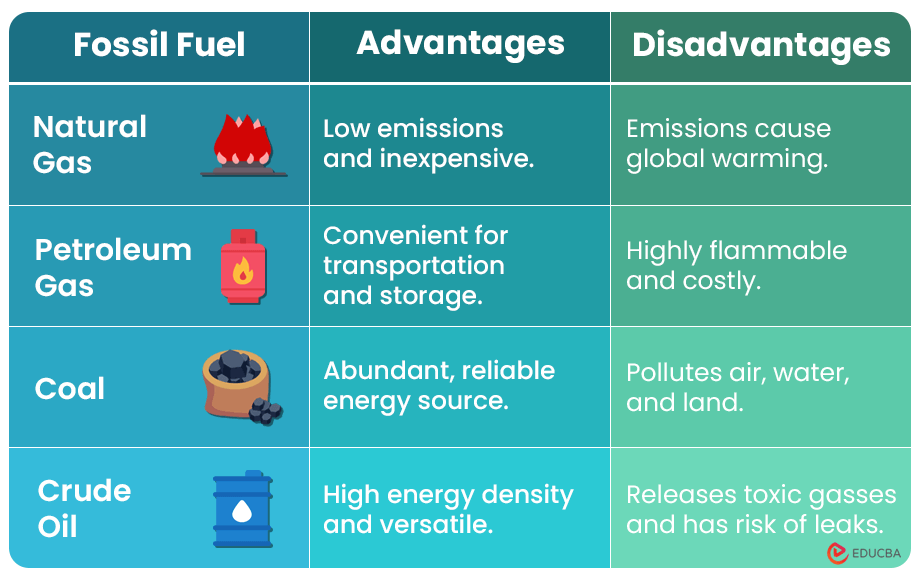
Okay, now for the not-so-great news. The biggest downside of fossil fuels is their impact on the environment. Burning them releases greenhouse gases like carbon dioxide, which contribute to climate change. This leads to rising temperatures, extreme weather events, and all sorts of other problems.
Another concern is air pollution. Burning fossil fuels releases harmful pollutants that can cause respiratory problems and other health issues. This is especially a problem in urban areas with high traffic and industrial activity.
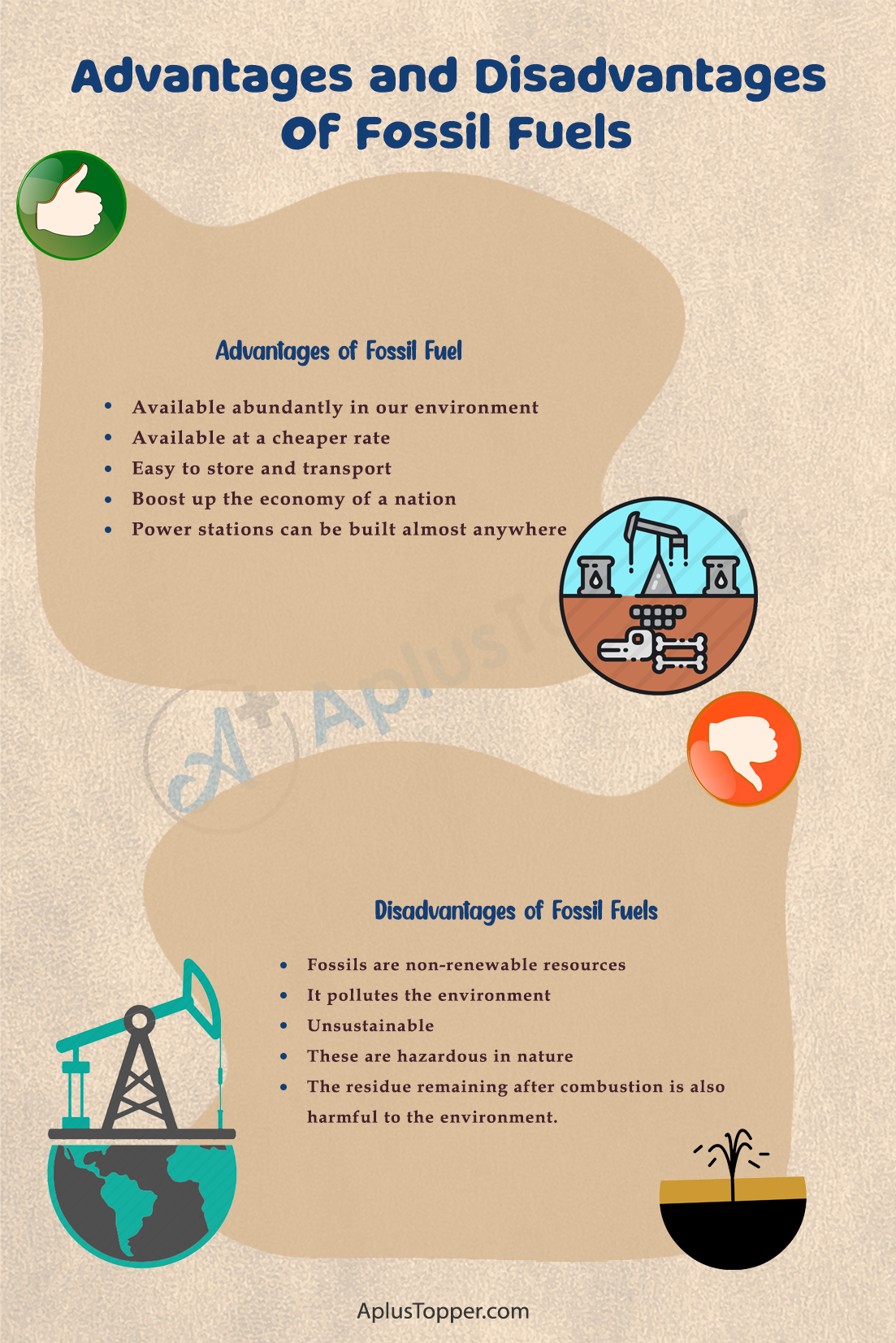
Finally, fossil fuels are a finite resource. We're using them up faster than they can be naturally replenished, which means they'll eventually run out. This scarcity raises concerns about energy security and the need to find alternative energy sources.
So, there you have it: the pros and cons of fossil fuels in a nutshell. They've been instrumental in powering our modern world, but their environmental impact and limited supply mean we need to think seriously about transitioning to more sustainable energy sources. It's a complex challenge, but understanding the facts is the first step towards building a cleaner, more sustainable future.