Advantages And Disadvantages For Tidal Energy

There's something undeniably captivating about the ocean. The rhythmic crash of waves, the vastness of the horizon, and the sheer power it holds – it's no wonder we're drawn to it. And increasingly, we're looking to harness that power for something more than just scenic views: tidal energy.
Think of it as free, clean electricity generated by the natural ebb and flow of the tides. It sounds almost magical, right? In theory, it's a brilliant solution to our ever-growing energy needs, offering a sustainable alternative to fossil fuels and contributing to a cleaner environment. The core purpose tidal energy serves is to provide a reliable and predictable source of renewable energy, diversifying our energy portfolio and lessening our dependence on sources that contribute to climate change.
So, how exactly does this work in everyday life? Well, it's less about individual households plugging into the tide and more about large-scale installations. The most common example is a tidal barrage, essentially a dam built across an estuary. As the tide comes in and out, water flows through turbines in the barrage, generating electricity. Another technology uses tidal stream generators, which are like underwater wind turbines anchored to the seabed. These spin as the tide rushes past, producing power. While you might not directly use "tidal energy" labeled on your electricity bill, it quietly contributes to the overall energy mix powering your home, business, and community.
Must Read
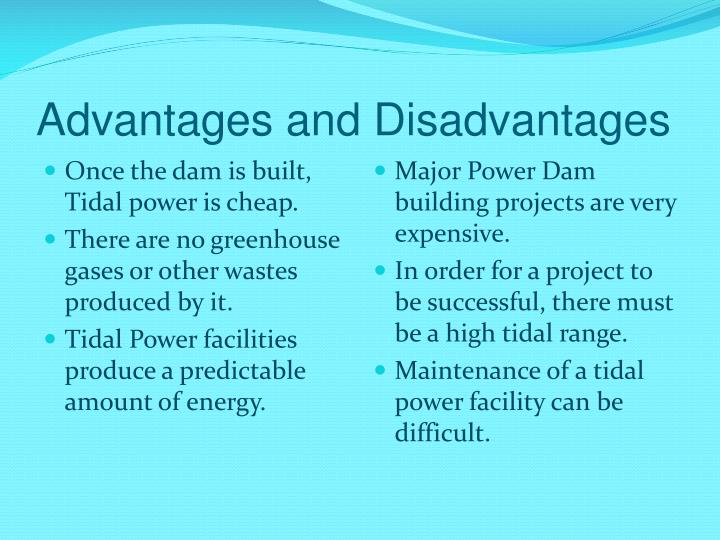
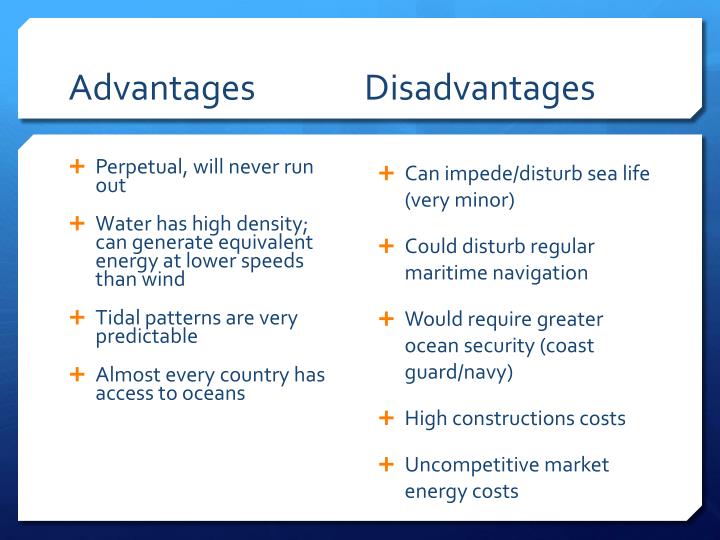
But before we get too carried away with visions of a tide-powered utopia, it's important to acknowledge the downsides. The initial cost of building tidal energy infrastructure is astronomical. Constructing barrages or installing underwater turbines requires significant investment and complex engineering. And then there's the environmental impact. Tidal barrages can drastically alter the ecosystems of estuaries, disrupting fish migration patterns and affecting other marine life. Tidal stream generators, while less disruptive, can still pose a risk to marine animals through entanglement or collision.
Another major disadvantage is location dependency. Tidal energy generation is only feasible in areas with significant tidal ranges – places where the difference between high and low tide is substantial. This limits the number of suitable locations around the world. Furthermore, even in ideal locations, the energy output is intermittent, dictated by the lunar cycle. This means tidal energy alone can't provide a constant, reliable power supply and needs to be integrated with other energy sources.
So, how can we "enjoy" tidal energy more effectively? Well, as consumers, we can support policies and initiatives that promote the development and refinement of tidal energy technologies. This includes investing in research to minimize environmental impact and improve efficiency. As informed citizens, we can advocate for responsible planning and development that balances the benefits of renewable energy with the need to protect our marine ecosystems. By staying informed and supporting sustainable energy solutions, we can all play a role in harnessing the power of the tides for a brighter future.
Ultimately, tidal energy is a promising technology with the potential to play a significant role in our future energy landscape. However, it's crucial to approach its development with a balanced perspective, carefully weighing the advantages and disadvantages to ensure a sustainable and environmentally responsible approach.