
Ac Unit Working But Not Cooling

Ah, the sweet symphony of summer! Birds chirping, sun shining, and the glorious hum of your air conditioner doing its magnificent work. But wait! What if that familiar hum is there, the fan is blowing, but your once-chilly oasis has turned into… well, just a regular, slightly stuffy room?
Don’t you just want to shout at it, “You’re ON! Why aren’t you COOLING?!” It’s a classic summer mystery, a puzzling predicament that can turn even the calmest cucumber into a slightly wilting lettuce leaf. But fear not, intrepid home comfort seeker!
We’re here to dive into the delightful dramas of an AC unit that’s working but stubbornly refusing to deliver the frosty goods. Think of us as your friendly neighborhood AC whisperers, here to help you understand what might be going on, all while keeping things as light and breezy as a perfectly chilled gin and tonic.
Must Read
The Case of the Misbehaving AC: Where Did the Chill Go?
It’s a peculiar feeling, isn't it? Your AC unit, that hardworking hero, seems to be going through the motions. The fan whirs, air moves, but instead of that crisp, invigorating arctic blast, you get… just air. Maybe slightly cooler than outside, maybe just ambient. Definitely not the frosty embrace you signed up for.
Let's uncover some of the most common culprits behind this cooling conundrum. Sometimes, the fix is so ridiculously simple, you’ll want to give your AC a high-five. Other times, it's a sign to call in the big guns, the HVAC superheroes, to save the day.
1. The AC's Stuffed Nose: A Dirty Air Filter
Imagine trying to breathe deeply with a pillow over your face. That's pretty much what happens to your AC when its air filter gets clogged! It’s trying its absolute best, but it can’t pull in enough air to cool properly.
This little unsung hero, the air filter, is the first line of defense against dust bunnies, pet dander, and all sorts of tiny airborne invaders. When it gets too fuzzy and clogged, it becomes a big, fluffy roadblock.
Your AC unit is literally gasping for breath! A dirty filter severely restricts airflow over the evaporator coils, making it incredibly difficult for the unit to remove heat from your home effectively.
The Fix: Pop open the filter slot (usually in the return vent or inside the indoor unit itself), pull out that dingy, dusty square, and replace it with a gleaming, new one. This is perhaps the easiest and most impactful DIY fix you can attempt!
It’s like giving your AC a brand-new pair of lungs. You'll often find a noticeable improvement in cooling power and air quality almost immediately. Remember to check it monthly and change it every 1-3 months, depending on your home and pets.
"A clean filter is a happy AC. And a happy AC means a happy YOU!"
2. The AC's Arctic Adventure: Frozen Coils
Sometimes, your AC unit takes its job a little too literally and turns into a frosty work of art. If you peek inside your indoor unit and see shimmering ice formations on the copper lines, you’ve got a frozen coil situation.
This usually happens because of severely restricted airflow (hello, dirty filter!), or sometimes due to low refrigerant levels. When air can't properly flow over the coils, the moisture on them freezes solid.
An iced-over coil can't absorb heat from the air, meaning your AC is just blowing air over a giant block of ice instead of efficiently cooling your home. It’s like trying to cool your house with an iceberg that’s not actually melting.
The Fix: Turn your AC system completely OFF. Not just the fan, but the entire unit. Let it thaw out, which can take several hours (or even overnight). You might want to place towels around the indoor unit to catch any melting water.
Once it’s fully thawed, try replacing the air filter first. If the problem persists, or if this happens repeatedly, it’s a strong sign that something more serious, like a refrigerant issue, might be at play. That’s when you need to call in the pros.
3. The Brain Drain: Thermostat Troubles
Is your AC unit getting confused signals from its command center? Your thermostat is the brain of your entire HVAC system, and sometimes it just needs a little nudge, or perhaps a battery change, to get back on track.
First, double-check your settings. Is it set to "Cool" mode? Is the fan set to "Auto" and not "On"? If the fan is always "On," it will just blow air constantly, even when the cooling cycle isn't engaged, giving the illusion of continuous work without actual cooling.
Sometimes, the batteries in your digital thermostat are running low, causing it to miscommunicate with the outdoor unit. It's a simple oversight that can lead to a lot of unnecessary sweat and confusion.

The Fix: Change the batteries in your thermostat! It's astonishing how often this simple trick solves the mystery. Also, ensure your thermostat is set to "Cool" and the fan is on "Auto."
Give it a few minutes to see if your AC kicks into gear. If you have an older, mercury-style thermostat, ensure the lever is firmly in the "Cool" position. Sometimes, it just needs a firm click.
4. The Vanishing Magic Juice: Low Refrigerant (Freon)
Your AC unit’s secret weapon, its magical cooling potion, is called refrigerant (often known by the brand name Freon). It's the fluid that absorbs heat from your indoor air and releases it outside. If your refrigerant levels are low, your AC can't do its heat-transferring job effectively.
Low refrigerant isn't something that just "happens" over time. Your AC system is a sealed loop, so if you're low on refrigerant, it means you have a leak somewhere in the system. And leaks need to be found and fixed, not just topped off!
When refrigerant is low, your AC unit might run longer and harder, trying to achieve the desired temperature, but simply won’t be able to remove enough heat. This is often what leads to those pesky frozen coils we talked about earlier.
The Fix: This is unequivocally a job for the pros. A certified HVAC technician has the specialized tools to detect leaks, repair them, and recharge your system with the correct amount of refrigerant. Attempting this yourself is unsafe and illegal.
"If your AC is low on magic juice, it's telling you it needs a wizard, not a DIY enthusiast!"
5. The Outdoor Unit's Lazy Fan
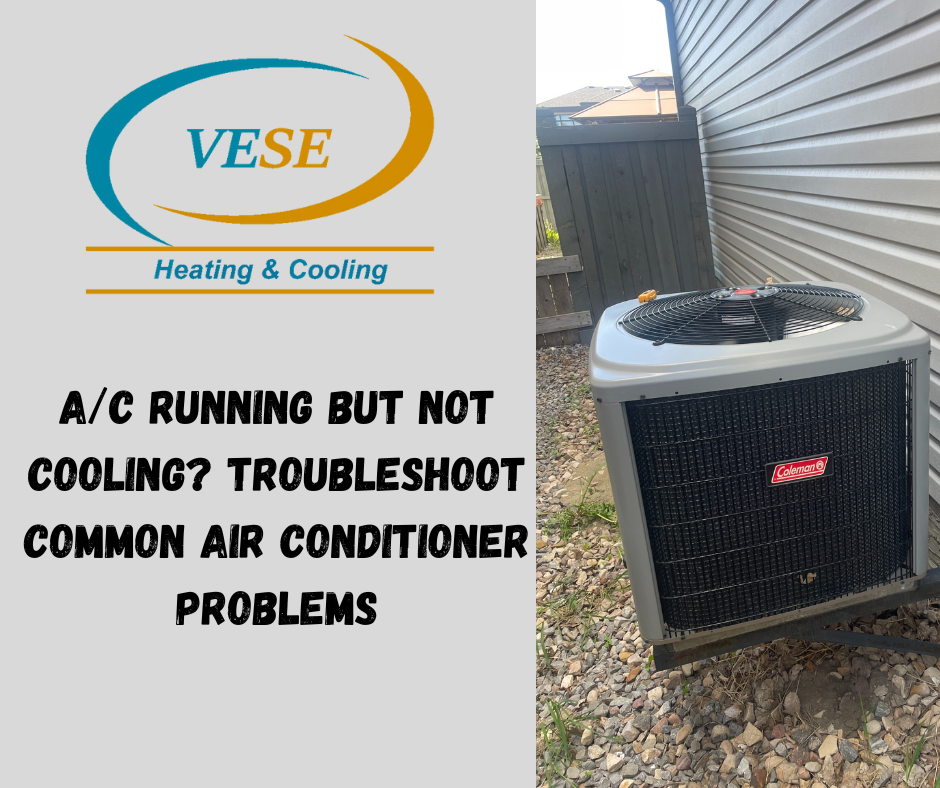
Head outside to your large outdoor AC unit, also known as the condenser. This unit has a giant fan on top, which is responsible for blowing hot air away from the refrigerant coils, releasing the heat your AC pulled from inside your home.
If this fan isn’t spinning, or if it’s spinning very slowly, your AC unit literally can't get rid of the heat it’s absorbed. It’s like trying to cool down a hot pot of soup by just letting it sit there, instead of fanning it.

Without this outdoor fan doing its job, the entire cooling process grinds to a halt. Your indoor unit might be blowing air, but without the heat being dissipated outside, that air won't get cold.
The Fix: First, ensure the power is OFF at the outdoor unit's disconnect switch (a little box usually next to it on the wall). Then, gently try to spin the fan blades with a stick. If they're stiff, you might have a problem with the motor or a failing capacitor (more on that next!).
If the fan blades are obstructed by debris (leaves, branches, toys), clear them out. However, if the fan isn't turning on its own when the AC is running (and the thermostat is set to cool), it’s time to call a technician. This could be a motor issue or a bad capacitor.
6. The AC's Waterworks Woes: Clogged Drain Line
Your AC unit doesn't just cool the air; it also dehumidifies it! As it removes moisture from your home’s air, this condensate drips into a drain pan and flows out through a condensate drain line, typically a PVC pipe.
If this line gets clogged with algae, mold, or gunk, the water backs up into the drain pan. Many modern AC systems have a safety switch that will shut down the entire cooling cycle (or just the compressor) to prevent water damage if the pan overflows.
So, your AC might be working in the sense that the fan is blowing, but the cooling component has been purposefully turned off by its internal safety features. It’s like a smart appliance saying, "Nope, not going to flood your house today!"
The Fix: Locate the condensate drain line (usually a small PVC pipe coming out of your indoor unit or furnace). Sometimes you can clear a minor clog by gently using a wet/dry vac on the outdoor end of the pipe to suck out the clog. You can also try pouring a cup of distilled vinegar down the access port (if you have one) to kill algae.
If the clog is stubborn or if water damage is already present, it’s best to call a professional. They have specialized tools to flush out the line thoroughly and ensure it's flowing freely.

7. The AC's Lost Spark: A Failing Capacitor
Think of the capacitor in your AC unit as a super-powered battery that gives the compressor and fan motors the initial jolt of energy they need to start running. Without this "kick-start," the motors might hum or try to start but fail to spin up.
If your outdoor unit is making a humming noise but the fan isn't spinning, or if the compressor isn't engaging (you don't hear that deeper rumbling sound of it working), a failing capacitor is a very common culprit. It’s essentially lost its spark!
A bad capacitor can cause your AC unit to run inefficiently, or not cool at all, even if other parts seem to be functioning. It's a small but mighty component that plays a huge role in getting the heavy-duty parts moving.
The Fix: Replacing a capacitor involves dealing with high voltage electricity and should ONLY be done by a qualified HVAC technician. Capacitors can hold a charge even when the power is off, making them extremely dangerous if handled incorrectly.
This is definitely one where you call in the cavalry. A technician can quickly test the capacitor and replace it, often restoring your AC's cooling power relatively quickly and cost-effectively.
Empower Yourself (or Call a Pro with Confidence!)
So, there you have it! A peek behind the curtain of your AC's mysterious behavior. The next time your unit is blowing but not cooling, you'll be armed with knowledge. You'll know how to tackle the easy fixes and, just as importantly, when to call in the experts.
You don't have to be an HVAC guru to understand the basics and perform simple maintenance. But knowing when a job is beyond your scope saves you time, frustration, and potential damage.
So take a deep breath, swap out that filter, and if the chill still doesn't return, call your trusted technician. You've done your part, and soon, you'll be back to enjoying that glorious, frosty bliss your AC was designed to deliver!