
Ac Unit Not Keeping House Cool
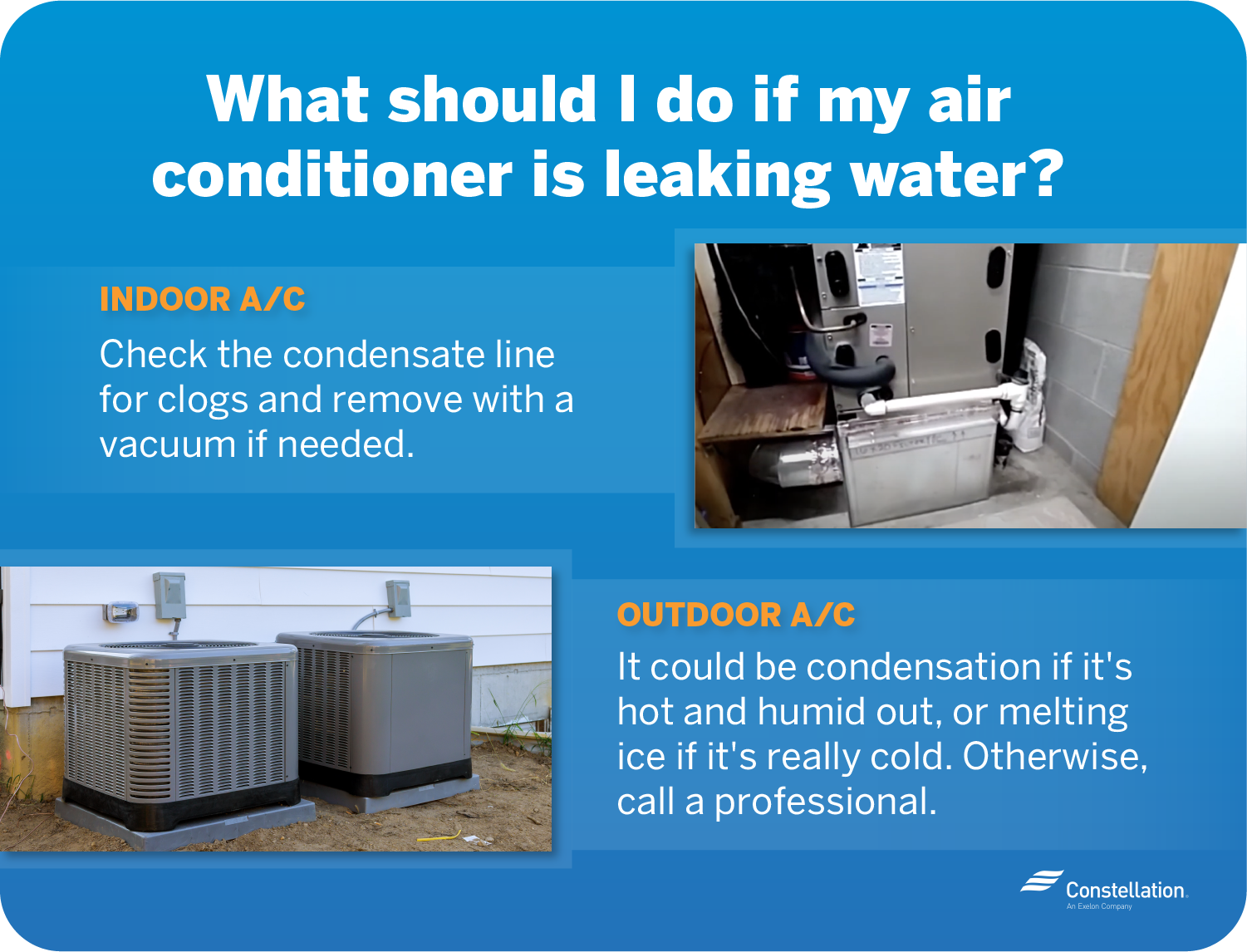
Ah, summer! That glorious time of sunshine, long days, and the sweet, sweet relief of stepping into a refreshingly cool home. But what happens when that
Instead of just sighing dramatically (though we've all been there!), let's lean into that frustration and get a little
The Great Heat Heist: How Your AC Works (or Tries To!)
Think of your AC unit as a tiny, dedicated heat magician. Its sole purpose is to sneak heat out of your house and dump it outside. It doesn't actually make cold air, you see. It just moves the heat around. Pretty clever, right? It does this using a special fluid called refrigerant (sometimes called Freon, though that's a brand name). This refrigerant is like a super-effective heat magnet, constantly changing from a liquid to a gas and back again, picking up heat inside and releasing it outside.
Must Read
But when your house isn't getting cool, it's often because this magician is having trouble with its act. Maybe its tools are dull, or its stage is cluttered. Let's dig into some of the more common, and surprisingly interesting, culprits.
The Choked Airway: A Clogged Filter
This one is probably the most common, and perhaps the easiest to fix, but it's often overlooked. Imagine trying to run a marathon while breathing through a really thin straw. You'd struggle, right? Your AC feels the same way when its air filter is clogged with dust, pet dander, and general household gunk. This filter is the AC's lung, and when it's choked, airflow is severely restricted.
If not enough air can pass over the cold evaporator coil (the part that absorbs heat inside your home), that coil can get
The Sweater Effect: Dirty Coils
Remember that refrigerant, our heat magnet? It lives inside coils – one set inside your home (the evaporator coil) and one set outside (the condenser coil). These coils are essential for the refrigerant to do its job, either absorbing heat (inside) or releasing it (outside). But what if these vital heat-exchanging surfaces get covered?

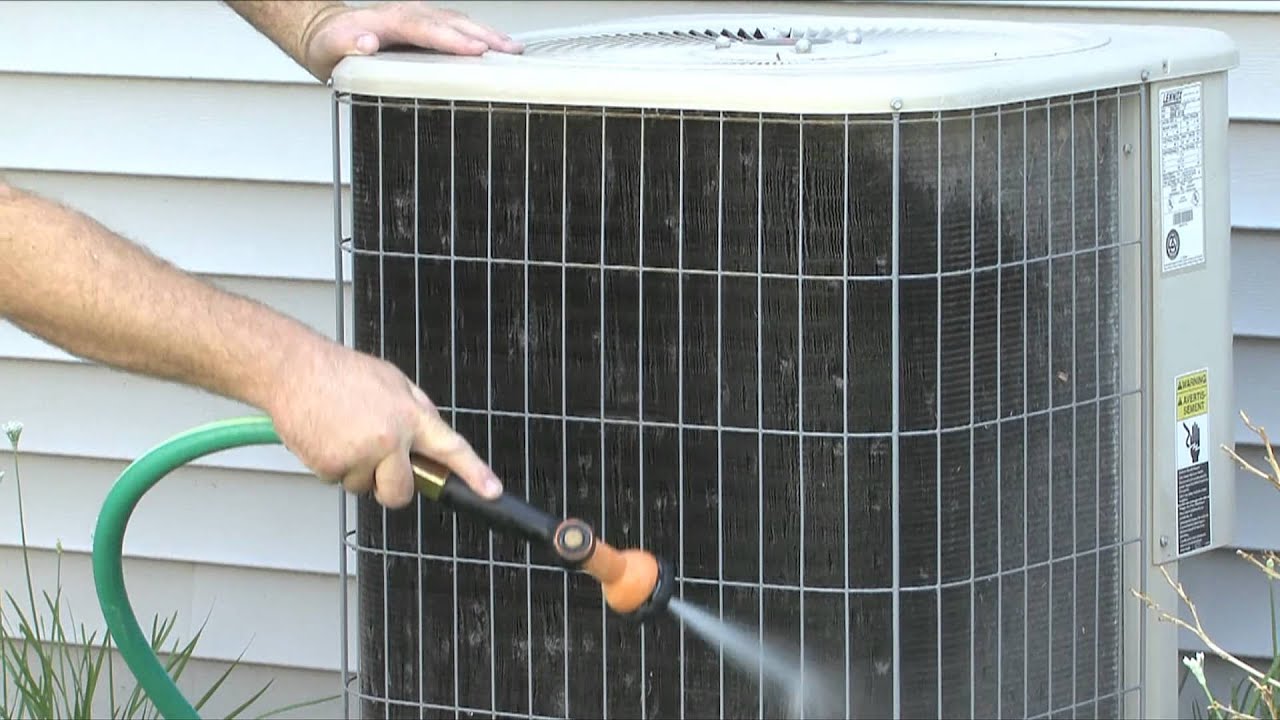
Outside, the condenser coil can get coated in dirt, leaves, grass clippings, and pollen. It's like your AC is trying to dissipate heat while wearing a thick, fuzzy sweater in the middle of summer. Not very efficient, is it? Inside, the evaporator coil can also accumulate a layer of grime, acting like an insulating blanket that prevents it from absorbing heat effectively. When your coils are dirty, your AC has to work much harder, use more energy, and still might not get your house cool enough. It's truly a silent efficiency killer!
The Low Blood Pressure: Running Low on Refrigerant
If your AC isn't cooling, and you've checked the filter and cleaned the coils, it might be something a bit more substantial: a refrigerant leak. Think of refrigerant as the lifeblood of your AC system. It's a closed loop, so it shouldn't just "run out" like gas in a car. If it's low, it means there's a leak somewhere in the system.
When the refrigerant is low, your AC can't perform its heat-transfer magic properly. It's like trying to bake a cake with only half the flour – it just won't come out right. The system might blow air, but it won't be cold air. This isn't something you can fix yourself, as it requires specialized tools and handling of the refrigerant. But recognizing the symptom can help you describe the problem to a professional.
The Air Escape Artists: Leaky Ducts
So your AC is making plenty of cool air, but it's just not getting to where it needs to go? Enter the sneaky culprits: leaky ducts. Your ductwork is like the highway system for your cool air. It's designed to deliver that precious, conditioned air from your AC unit to every room in your house. But if there are cracks, gaps, or poorly sealed connections, that cool air can escape into your attic, crawl space, or even inside your walls.
It's like trying to fill a bucket that has holes in the bottom – a lot of the water just goes to waste! You're paying to cool your attic instead of your living room, which is both frustrating and expensive. Sometimes, even small leaks can add up to a significant loss of cooling power, making your AC unit feel like it's constantly battling an invisible foe.

The Mixed Signals: Thermostat Troubles
Finally, let's not forget the brain of the operation: your thermostat. Is it accurately reading the temperature? Is it even sending the right message to your AC? A faulty thermostat, a dead battery, or even one placed in a sunny spot (causing it to think the house is hotter than it actually is) can lead to your AC not cooling properly.
It's like a miscommunication between you and your AC. You're thinking, "Hey, it's hot in here, cool me down!" and the thermostat is either saying, "Nah, we're good," or, "I didn't get that memo." Sometimes, a simple reset or repositioning can make all the difference.
Embrace the Curiosity!
So, the next time your AC unit isn't keeping your house cool, instead of just feeling hot under the collar, try to get a little curious. Ponder the intricate dance of heat transfer, the vital role of air flow, and the various ways your system might be getting tripped up. It's a complex piece of machinery that often works tirelessly without a second thought from us. Understanding its quirks isn't just useful; it's a peek into the ingenious engineering that keeps us comfortable even when the sun is blazing outside!